
The Portuguese Nun
2009
No user ratings available yet
Diversity score: 3.4 out of 10
2020
Director
Eugène Green
Runtime
123 minutes
Average Rating
No ratings yetSynopsis
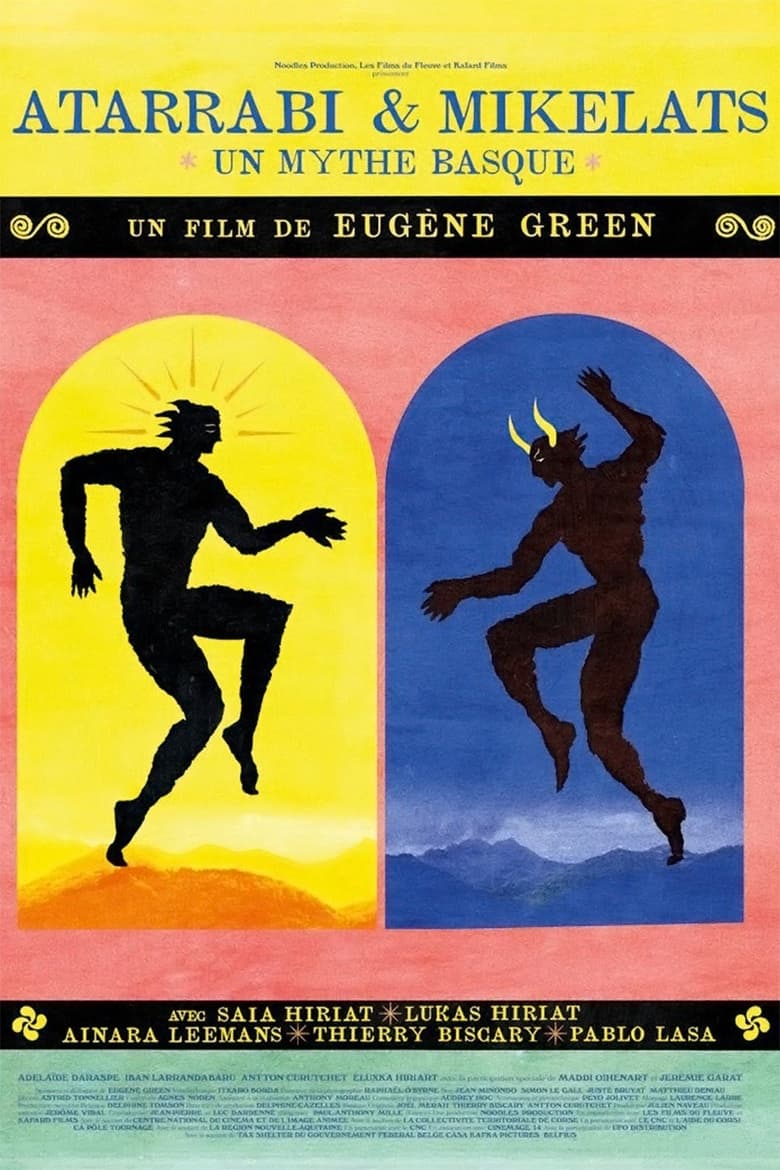
A fable about the Goddess Mari and her two sons, born of a mortal father, whom she entrusts to the devil for their education. When they come of age, Mikelats decides to stay with their master, while Atarrabi flees—but the devil manages to hold onto his shadow.
Overall Score
Fair
Category Breakdown
LGBTQ+ Representation
The film lacks explicit depictions of LGBTQ+ identities or non-heteronormative romance. The narrative focuses on a mythological family structure involving a goddess and her sons.
Gender Representation
The goddess Mari serves as the central architect of the plot, exercising significant agency. However, the primary tension driving the resolution remains centered on the relationship between the two sons.
Racial & Ethnic Diversity
The story is rooted in Basque mythology, emphasizing a specific regional identity. The narrative is culturally specific rather than broadly intersectional or color-blind.
Religious & Cultural Diversity
The film engages with non-traditional moral frameworks through a fable structure. It challenges standard religious hierarchies by framing the devil as an educator rather than a simple villain.
Disability Representation
There is no evidence regarding the portrayal of physical or neurodivergent disabilities within the narrative.
Strengths
Areas for Improvement
AI Analysis
Atarrabi and Mikelats functions as a mythological fable that prioritizes philosophical inquiry over contemporary social representation. It succeeds in disrupting traditional patriarchal tropes by centering a powerful female deity, Mari, as the primary driver of the characters' fates. However, the film remains culturally narrow, focusing heavily on Basque folklore. While this provides a rich, specific cultural texture, it lacks the broader intersectional markers found in more diverse modern works. Ultimately, the film's strength lies in its deconstruction of moral binaries, though it offers little in the way of explicit representation for LGBTQ+ or disabled communities.
2009
2010

2011
2012

2021
2019
2019
2018

2017
2009
2009
2009
No reviews yet. Be the first to share your thoughts on this movie!
Use the rating form above to leave a star rating and optional review.