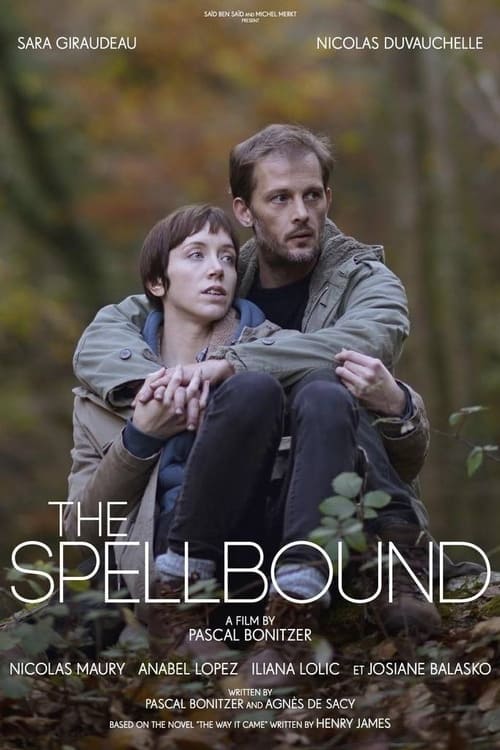
The Spellbound
2019
No user ratings available yet
Representation score: 5.4 out of 10

Representation Score
Good
2017
Director
Caroline Deruas
Runtime
98 minutes
Average Rating
No ratings yetNew Showbiz Analysis
Daydreams excels in its nuanced exploration of female independence and the disruption of traditional social hierarchies. By focusing on the creative lives of a photographer and a writer, the film moves away from conventional domestic narratives. However, the film remains confined to a Eurocentric perspective. Its lack of racial diversity keeps the narrative within the bounds of Western artistic traditions, limiting a broader cultural conversation. Ultimately, the film's strength lies in its psychological depth. It challenges social norms by prioritizing the complexity of personal experience over institutional stability.
Category Breakdown
The film delves into an intense, ambiguous relationship between Axèle and Camille, challenging the distinction between platonic and romantic bonds. This connection disrupts assumptions about heterosexual relationships by blurring the lines between friendship and romance.
The film highlights the creative and professional achievements of its female characters, emphasizing their roles as artists rather than caretakers. This shifts the focus away from traditional gender roles and emphasizes their independence and creativity.
The story centers around a specific European artistic community. It does not feature a racially diverse cast or use actors from different backgrounds to challenge the status quo.
The setting encourages freedom from institutional constraints and traditional social structures. It prioritizes individual artistic expression over societal or family stability.
The film does not depict any characters with physical or cognitive disabilities.
Present on Screen
Limited or Absent
Official Synopsis
Axèle is a photographer, Camille is a writer. They have been awarded an arts residency at the Villa Medicis in Rome. Camille is accompanied by her husband, the famous writer Marc Landré. When a strange rivalry takes shape between them, Camille bonds with Axèle. But who is Axèle really ? A total artist, who never compromises and confuses herself with her oeuvre ? Or a ghost ? This year at the Villa Medici, where bodies and souls free themselves, no one will come out unscathed.
2019
2018

2017
1991
2017
2018
2018

2021
No reviews yet. Be the first to share your thoughts on this movie!
Use the rating form above to leave a star rating and optional review.