Away from Home
2001
No user ratings available yet
Diversity score: 6.0 out of 10
2018
Director
Ricardo Elias
Runtime
101 minutes
Average Rating
No ratings yetSynopsis
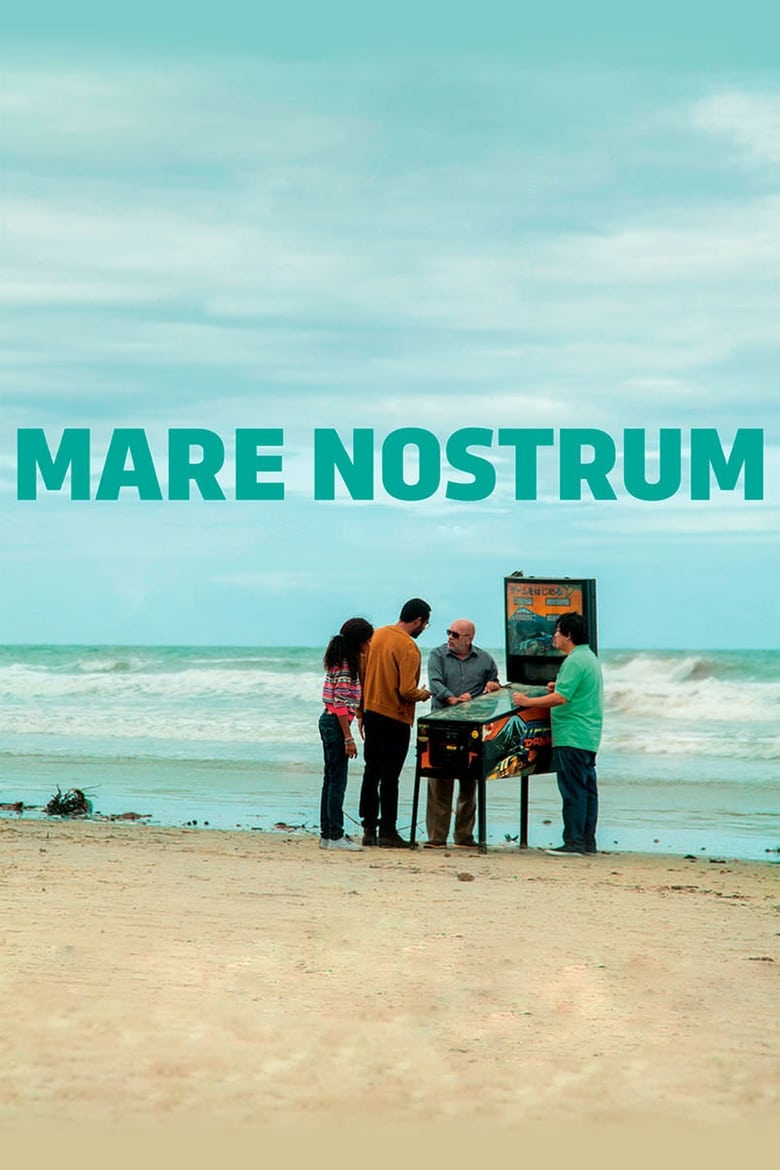
Roberto and Mitsuo return to Brazil on the same day, after a long season living abroad. Their lives intersect because of land negotiated by their parents in the past. Without money, the two see on the ground a possibility of getting financially right. However, some events make them believe the terrain is magical. Like a fable, the film shows us that in order to obtain some desires, it is necessary to give up others.
Overall Score
Fair
Category Breakdown
LGBTQ+ Representation
The film features two male leads, Roberto and Mitsuo, which creates potential for queer subtext. However, there is no explicit confirmation of their sexual orientations or specific identity-driven narratives.
Gender Representation
The story centers on male protagonists and their agency regarding land and money. The narrative maintains a traditional focus on male-driven economic pursuits without detailing female roles.
Racial & Ethnic Diversity
The pairing of Roberto and Mitsuo suggests a narrative exploring Japanese and Lusophone heritages. This implies a focus on multiculturalism and the complexities of ethnic identity within Brazil.
Religious & Cultural Diversity
The film uses a fable-like structure to explore situational ethics and sacrifice. It moves away from dogmatic morality to focus on the metaphysical properties of territory and desire.
Disability Representation
The available information contains no mention of characters navigating physical, sensory, or neurodivergent experiences.
Strengths
Areas for Improvement
AI Analysis
Mare Nostrum explores the intersection of two disparate lives through a fable-like lens. The film's strength lies in its implied racial intersectionality, using character names to suggest a multicultural Brazilian context. However, the narrative remains limited by a heavy focus on male-driven economic struggles. Without clear evidence of gender subversion or LGBTQ+ visibility, the film's social impact remains centered on material and ancestral themes rather than identity politics.
2001

2021
2017

2012

2008

2018

1993

2001

2017

2016

2005
2019
No reviews yet. Be the first to share your thoughts on this movie!
Use the rating form above to leave a star rating and optional review.