Kung-fu
1980
No user ratings available yet
Diversity score: 3.1 out of 10
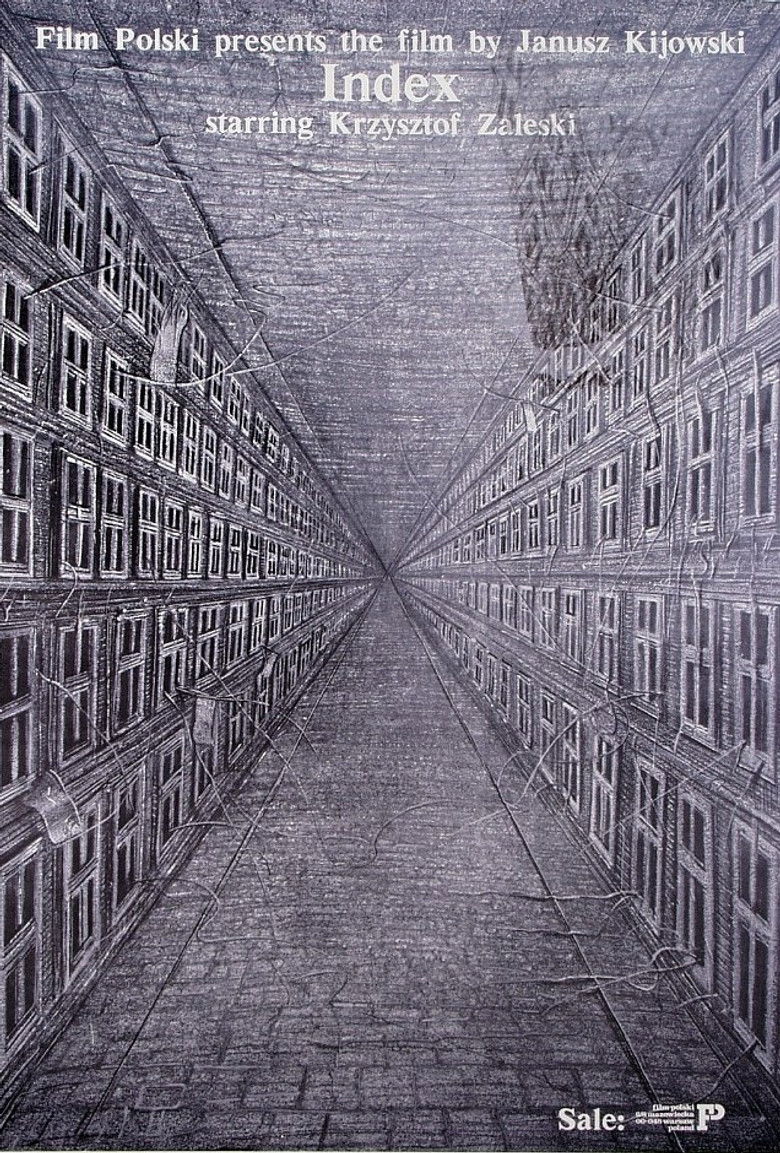
1977
Director
Janusz Kijowski
Runtime
94 minutes
Average Rating
No ratings yetSynopsis
The story begins in March of 1968, the days of students protests. A hot- headed student protests the Dean's decision to expell a fellow student on fake accusation charges, upon which he drops out of university rather than make a compromise. He loses everything in the process: his girlfriend, housing privileges - he becomes a coal deliverer. On the job he witnesses an accident that causes death of a fellow worker. He decides to write a story, which is good and a publishing house wants to print it, but only after some corrections are made. He refuses again and the story is not printed. Finally, a story is commercialized and made into a succesful film and brings fame to the original author.
Overall Score
Fair
Category Breakdown
LGBTQ+ Representation
The film lacks identifiable LGBTQ+ characters or narratives. The story focuses exclusively on the socioeconomic and existential struggles of the protagonist within a rigid state apparatus.
Gender Representation
Gender roles remain traditional, centering on a male protagonist's alienation. Female characters appear as secondary figures and casualties of systemic pressure rather than active agents with significant narrative power.
Racial & Ethnic Diversity
The film depicts a culturally and ethnically homogeneous society. This reflects the historical context of 1970s Poland but offers no diverse casting or intersectional identities.
Religious & Cultural Diversity
The film excels at deconstructing institutions like the state and academia. It portrays these organized structures as oppressive, faceless entities that demand the sacrifice of personal integrity.
Disability Representation
Physical trauma is present through a fatal industrial accident. However, disability serves primarily as a catalyst for the protagonist's moral crisis rather than exploring lived experiences of disability.
Strengths
Areas for Improvement
AI Analysis
Index is a character study of institutional dehumanization. It follows a student's descent from academia to manual labor after refusing to compromise his integrity against a corrupt system. The film's strength lies in its sophisticated critique of how bureaucratic structures erode the individual. While the film offers a progressive thematic architecture regarding power and authority, it lacks demographic breadth. The narrative is deeply rooted in a specific, homogeneous historical context, resulting in low scores for gender, racial, and LGBTQ+ representation. Ultimately, the film prioritizes existential and moral themes over social diversity. It functions more as a critique of systemic oppression than a diverse exploration of identity.
1980

2018

1957
1972

1969

1974

2009

1980

1980

1967

1960
1959
No reviews yet. Be the first to share your thoughts on this movie!
Use the rating form above to leave a star rating and optional review.