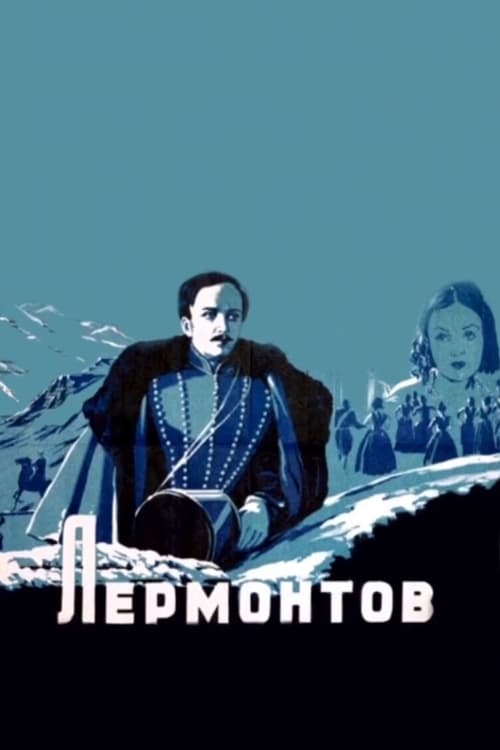
Lermontov
1943
No user ratings available yet
Representation score: 2.1 out of 10
Representation Score
Limited
1953
Director
Grigori Kozintsev
Runtime
102 minutes
Average Rating
No ratings yetNew Showbiz Analysis
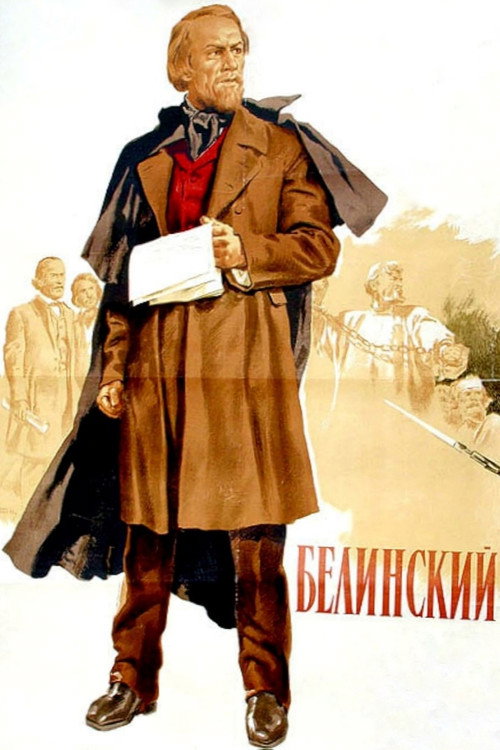
Belinsky is a product of the mid-century Soviet cinematic era, shaped by the requirements of Socialist Realism. Its focus is narrow, centering on the life of a singular male intellectual within a specific historical and national context. While the film offers a critique of monarchical and conservative hierarchies through its subject matter, it lacks breadth in terms of identity representation. The narrative structure is built around traditional gender roles and ethnic homogeneity. Ultimately, the film functions as a historical mythos that prioritizes systemic social change and secular progress over a diverse or multi-layered cast of characters.
Category Breakdown
The film follows the straight-centered social structures typical of 1950s Soviet biopics. There is no indication of diverse gender identities within this historical context.
The story focuses on the 'Great Man' theory, emphasizing male intellectual influence. Women appear mainly in supporting or domestic roles.
The cast reflects the ethnic homogeneity of 19th-century Russia and the Soviet Union. The story emphasizes a Slavic national identity over diverse racial backgrounds.
The film engages with non-Western institutional critiques by centering on progressive literary thought. It prioritizes secular, intellectual morality over religious dogma.
There is no documented evidence regarding the portrayal of physical or neurodivergent disabilities in this work.
Present on Screen
Limited or Absent
Official Synopsis
A biopic based on the life of Russian literary critic Vissarion Belinsky (1811–1848). The production of the film was completed in 1951, but it was not released until 1953, following the reshooting of various scenes demanded by Stalin.
1943

1969
1947

1958

1987
2000

1973
1990
No reviews yet. Be the first to share your thoughts on this movie!
Use the rating form above to leave a star rating and optional review.