
8 Heads of Madness
2017
No user ratings available yet
Representation score: 9.3 out of 10
Representation Score
Fair
1987
Director
Slobodan D. Pešić
Runtime
91 minutes
Average Rating
No ratings yetNew Showbiz Analysis
The film serves as a thematic critique of institutional hegemony. It uses the life of Danil Harms to highlight the friction between personal truth and systemic oppression. While the biographical nature of the story limits broad demographic variety, the narrative prioritizes the subversion of authoritative structures. The focus remains on non-conformist intellectualism rather than diverse social representation. Ultimately, the work functions as a study of cultural identity and individual expression under the weight of state-mandated reality.
Category Breakdown
The film features an avant-garde artist whose work naturally challenges social norms. However, there is no explicit depiction of specific LGBTQ+ identities or non-straight relationships.
The narrative centers on the intellectual role of Danil Harms. It has the potential to disrupt traditional hierarchies through artistic rebellion, though specific roles for women or diverse gender representations are not detailed.
Set within the Soviet Union, the film focuses on the internal struggles of a Russian intellectual under systemic pressure. It highlights the tension between personal integrity and state control.
The film engages deeply with systemic critique. By portraying a poet silenced by state authorities, it challenges the legitimacy of centralized power and institutional control.
No specific information is available regarding the portrayal of physical or neurodivergent disabilities within the film.
Present on Screen
Limited or Absent
Official Synopsis
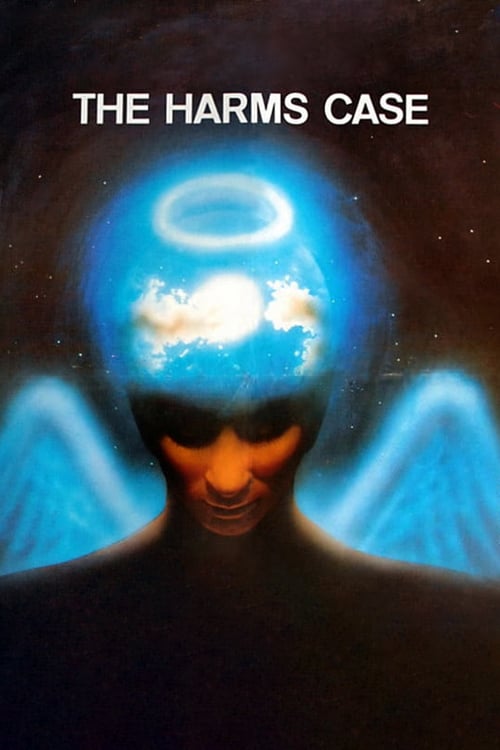
Based upon the life and writing of literary visionary Danil Harms, a Russian avant-garde poet of the 1920s who was persecuted and ultimately silenced by the Soviet authorities.
2017
1969

2014
1985

2018

1973
1953
2019
No reviews yet. Be the first to share your thoughts on this movie!
Use the rating form above to leave a star rating and optional review.