My Friend Ivan Lapshin
1985
No user ratings available yet
Representation score: 7.0 out of 10
Representation Score
Fair
1990
Director
Valeriy Ogorodnikov
Runtime
146 minutes
Average Rating
No ratings yetNew Showbiz Analysis
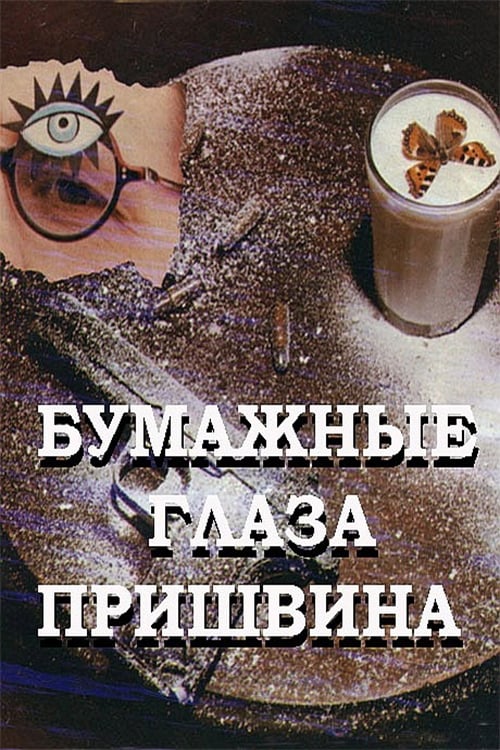
Prishvin's Paper Eyes is a period drama that emphasizes intellectual and systemic critique over social diversity. Its strength lies in its cultural engagement, using the lens of filmmaking to deconstruct the authoritarian legacy of Stalinism and the changing landscape of the late Soviet era. However, the film appears limited by the demographic conventions of its time. The narrative is heavily centered on male professional life, offering little visibility for LGBTQ+ identities or diverse ethnic backgrounds.
Category Breakdown
The film does not explicitly include LGBTQ+ characters or non-straight relationships. The story focuses on the professional and ideological struggles of filmmakers.
The story centers on a male-dominated professional environment in television directing. It is unclear whether the film challenges traditional gender roles or follows conventional dramatic realism.
The production likely reflects a homogeneous demographic typical of its 1990 Soviet-era setting. There is no indication of intentional multi-ethnic or diverse casting patterns.
The film excels in its critique of historical power structures and state-sanctioned ideologies. By addressing Stalinism, it prioritizes historical revisionism over traditionalist or patriotic themes.
There is no information suggesting that visible or invisible disability plays a central role or character trait in this work.
Present on Screen
Limited or Absent
Official Synopsis
TV director Pavel Prishvin is filming with his friend-filmmaker, whose film talks about Stalinism
1985
1930
1990

1994
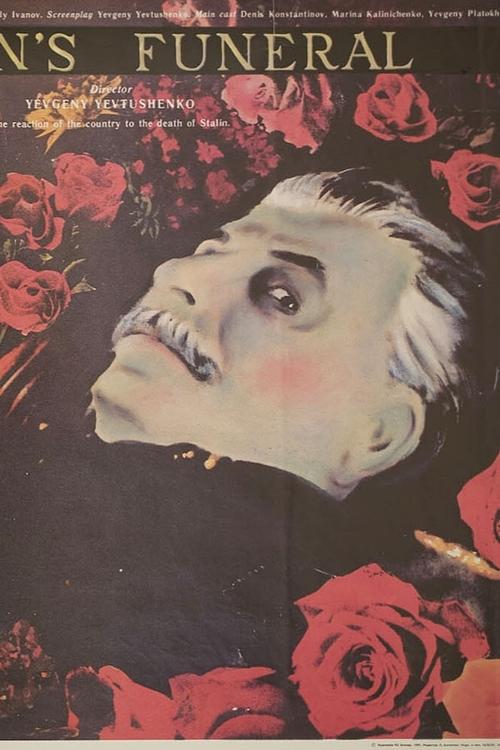
1990
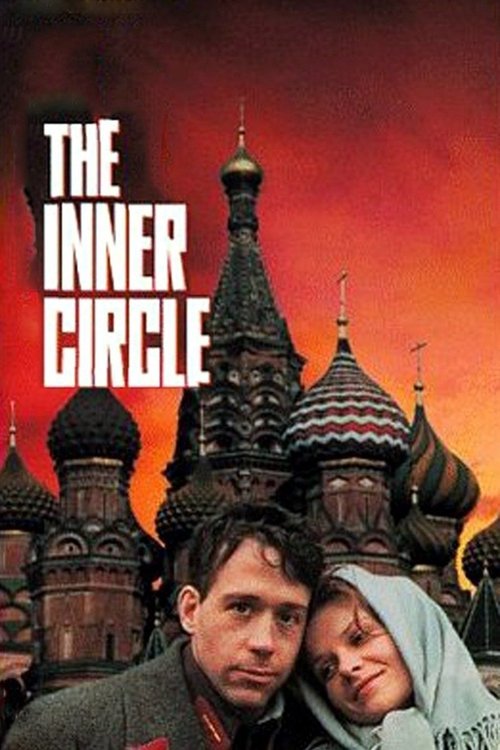
1992
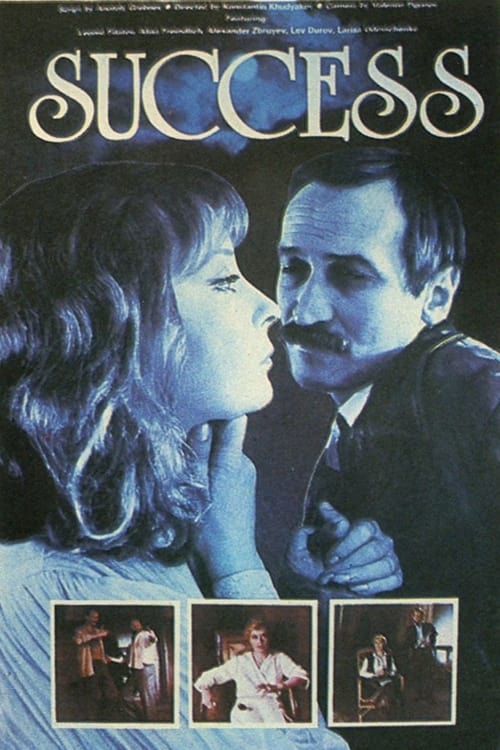
1984
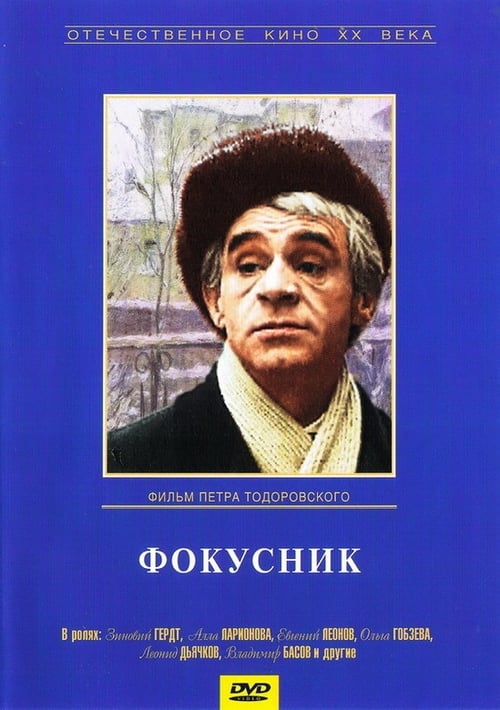
1968
No reviews yet. Be the first to share your thoughts on this movie!
Use the rating form above to leave a star rating and optional review.