
Cloak & Dagger
1984
No user ratings available yet
Diversity score: 2.3 out of 10

2004
PGDirector
Bart Freundlich
Runtime
92 minutes
Average Rating
No ratings yetSynopsis
A determined twelve-year-old mountain climber takes drastic action to save her injured father by planning a high-stakes bank heist, using her skills and teamwork to navigate the challenge.
Overall Score
Minimal
Category Breakdown
LGBTQ+ Representation
The film focuses on heteronormative adolescent social dynamics. There are no non-cisnormative identities or critiques of heteronormativity present in the character arcs.
Gender Representation
The story adheres to traditional gendered social hierarchies typical of teen comedies. It fails to subvert gender roles or disrupt established masculine and feminine archetypes.
Racial & Ethnic Diversity
The cast is predominantly homogeneous, reflecting a middle-class suburban demographic. The narrative lacks diverse ethnic perspectives or race-blind casting within its central conflict.
Religious & Cultural Diversity
The film portrays traditional Western family structures and social institutions. It operates within a framework of standard social and familial stability without critical scrutiny.
Disability Representation
There is no discernible representation of physical, neurodivergent, or mental health disabilities. These elements are not utilized as meaningful narrative components.
Strengths
Areas for Improvement
AI Analysis
Catch That Kid is a conventional coming-of-age narrative that prioritizes suburban stability and traditional social norms. The film relies on established genre tropes, focusing on adolescent social navigation rather than systemic critique or sociopolitical commentary. The production maintains a high degree of demographic homogeneity, centering on a Western-centric, middle-class perspective. This lack of variety extends to the absence of LGBTQ+ identities and disability representation, leaving the narrative within a very narrow social lens. Ultimately, the film functions as a standard commercial product. It avoids challenging existing hierarchies, opting instead to reinforce familiar social and familial structures through its character interactions and setting.
1984

1994

1995
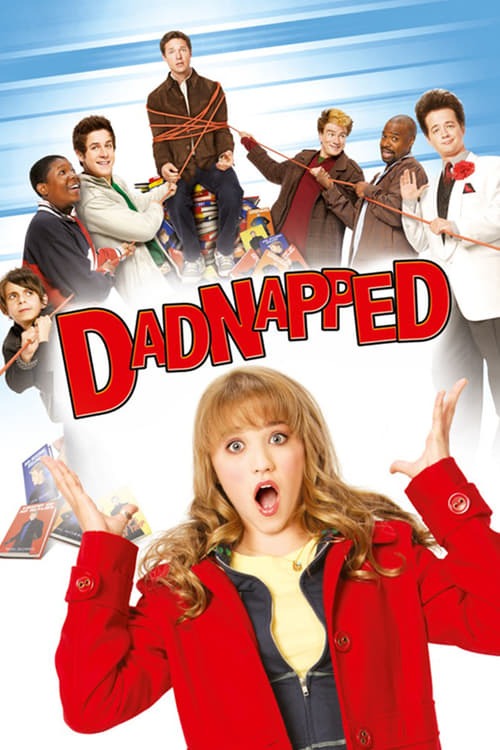
2009

1996

2003

1995

1996

1994

1998

2008

2010
No reviews yet. Be the first to share your thoughts on this movie!
Use the rating form above to leave a star rating and optional review.