
Sarah Winchester: Ghost Opera
2016
No user ratings available yet
Representation score: 7.8 out of 10
Representation Score
Good
2016
Director
Ross MacGibbon
Runtime
130 minutes
Average Rating
No ratings yetNew Showbiz Analysis
This balletic interpretation of Mary Shelley’s classic delves deeply into themes of alienation and social responsibility through movement. It transcends a simple monster story to explore the consequences of scientific ambition. However, the production remains confined by the traditional demographics of classical ballet. Casting reflects a Eurocentric standard, and the narrative structure upholds certain traditional gender roles despite efforts to subvert them. Ultimately, the work’s strength lies in its ability to use the creature’s 'otherness' to evoke empathy, offering a nuanced exploration of what it means to exist outside societal norms.
Category Breakdown
The choreography highlights feelings of isolation and being 'other' through unique expressions of intimacy. While romantic relationships follow traditional patterns, the creature's quest for connection provides a framework for non-traditional experiences.
Traditional gender roles are maintained through the casting of Victor and Elizabeth, but the creature upends these hierarchies. The narrative challenges the masculine stereotype of the scientist by presenting ambition as a source of instability.
The production adheres to a Eurocentric casting model typical of classical ballet. The lead dancers and participating companies do not show a shift from historically white-dominated demographics.
The work criticizes Western scientific arrogance and Enlightenment-era obsessions. It shifts the focus from a simplistic good-versus-evil binary to a more complex understanding of social responsibility and victimhood.
The creature’s physical existence serves as a metaphor for neurodivergence and bodily differences. Unusual movement patterns give the character's ability to drive the story rather than treating his condition as a source of ridicule.
Present on Screen
Limited or Absent
Official Synopsis
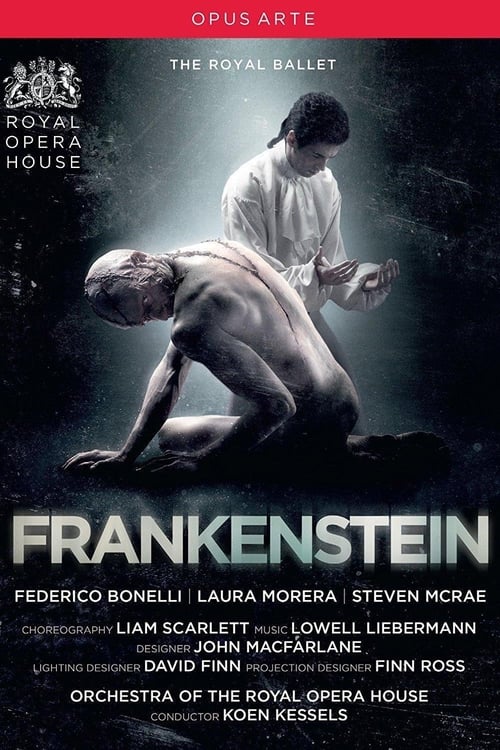
Inspired by Mary Shelley’s Gothic masterpiece, Frankenstein is the world premiere of Liam Scarlett’s new full-length ballet. A story of betrayal, curiosity, life, death and, above all, love, exploring the very depths of human nature. Federico Bonelli dances the role of Victor Frankenstein, Laura Morera is his Elizabeth, and Steven McRae is the creature. Koen Kessels conducts Lowell Liebermann’s newly commissioned score in this co-production between The Royal Ballet and San Francisco Ballet.
2016
1925
2003
2006
2021
2017

2020

2011
No reviews yet. Be the first to share your thoughts on this movie!
Use the rating form above to leave a star rating and optional review.