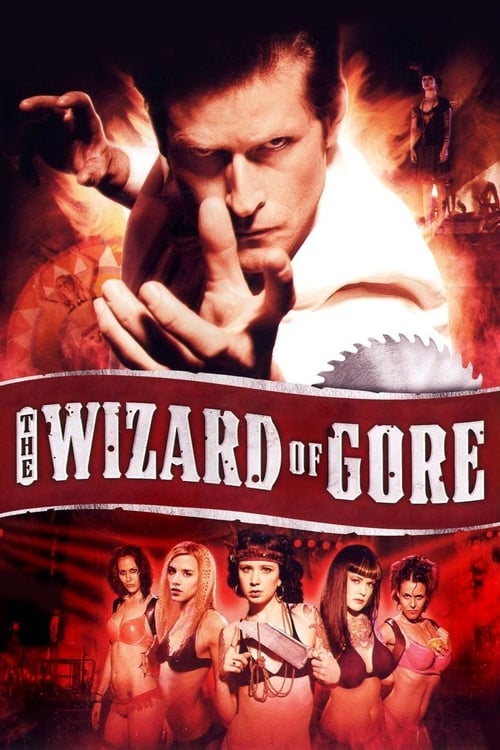
The Wizard of Gore
2007
No user ratings available yet
Representation score: 3.1 out of 10

Representation Score
Fair
2020
Director
Costas Zapas
Runtime
90 minutes
Average Rating
No ratings yetNew Showbiz Analysis
Frankenstein (2020) reimagines a classic horror myth as a mystery of historical revisionism. By focusing on a female investigator, the film emphasizes intellectual ability to act over traditional genre clichés. The work excels at challenging established moral and scientific hierarchies. It shifts from binary morality to explore the subjective ethics of its central figures. However, the film's scope is limited by a lack of visible diversity in racial and disability categories. The narrative remains centered on a specific European intellectual history.
Category Breakdown
The film does not explicitly depict non-binary or LGBTQ+ identities or same-sex relationships. However, the focus on alchemists working outside societal norms suggests themes of non-conformity.
The story challenges traditional gender roles by centering a female reporter as the main character. She drives the plot with her intelligence and decisiveness, taking control of her own story.
There is insufficient information about the racial makeup of the city or the theater troupe. The narrative focuses on a European historical context.
The film questions Western scientific and moral certainties by presenting Frankenstein's work as a successful defiance of mortality. It explores complex ethical frameworks through its 'dark heroes.'
The narrative does not provide any details about characters with physical or neurodivergent conditions. Therefore, there is no assessment of disability representation.
Present on Screen
Limited or Absent
Official Synopsis
The story follows a theatre troupe who arrives in a city to perform Frankenstein, where they meet a young female reporter, who is investigating the legend and who believes that the novel is not fiction, but rather the true story of a group of intellectuals and alchemists founded by the young doctor Victor Frankenstein, who managed in 1817 to defeat mortality and return from the dead. Interviewing the theatre troupe members, the reporter is confronted with the dark heroes of the novel.
2007

2016
2004

1993
2005
2015
2013
2012
No reviews yet. Be the first to share your thoughts on this movie!
Use the rating form above to leave a star rating and optional review.