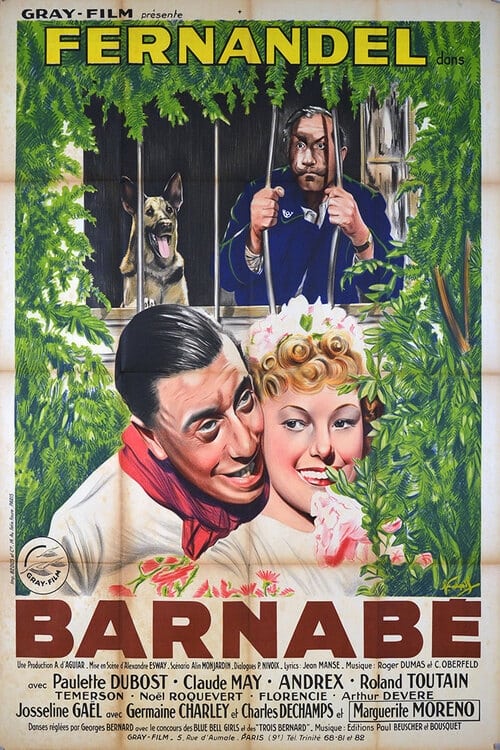
Barnabé
1938
No user ratings available yet
Diversity score: 2.9 out of 10
1938
Director
Alexander Esway
Runtime
105 minutes
Average Rating
No ratings yetSynopsis
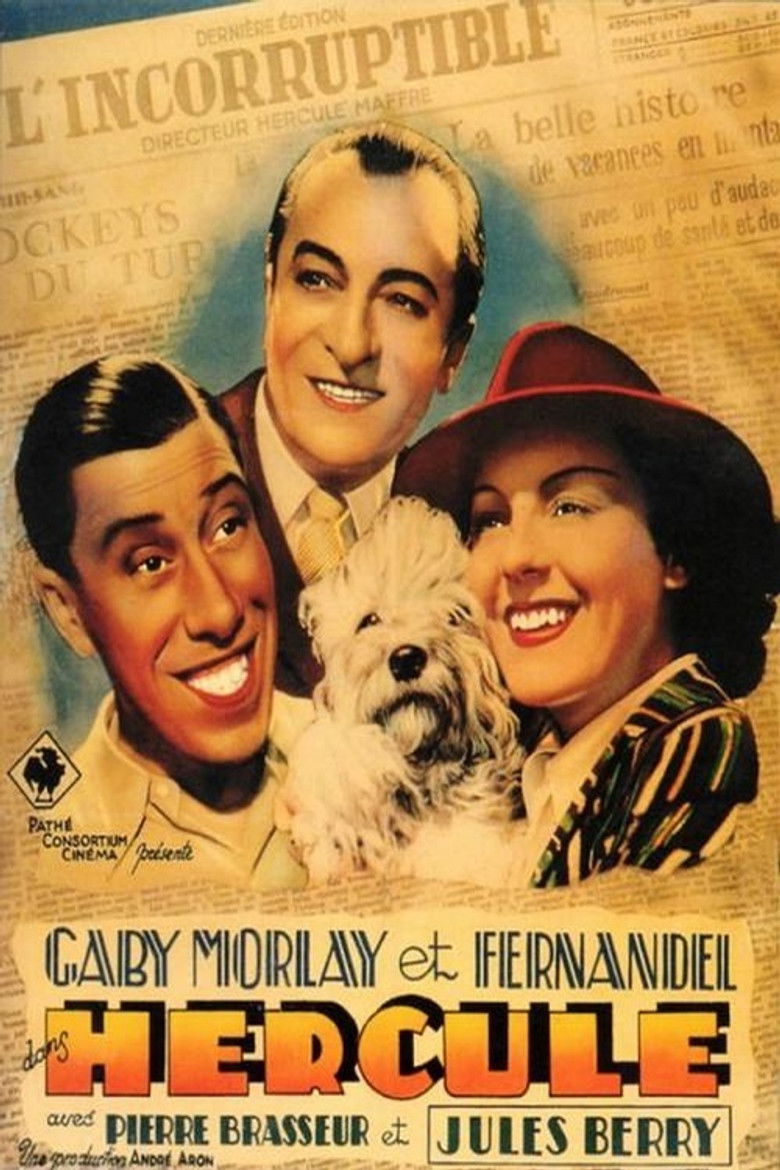
Hercule, a young peasant, inherits a Parisian newspaper with a large circulation. The editor-in-chief, Vasco, takes advantage of his ignorance to make corruption prevail. But Hercules gradually realizes the role that we make him play.
Overall Score
Limited
Category Breakdown
LGBTQ+ Representation
The film offers no visible representation of non-heteronormative identities. There is no evidence of same-sex dynamics or critiques of gendered social norms within the narrative.
Gender Representation
The story centers on a male protagonist's journey through a professional hierarchy. Without evidence of women in power, the film appears to follow traditional, male-driven agency patterns.
Racial & Ethnic Diversity
Set in 1938 Paris, the film focuses on class distinctions rather than ethnic intersectionality. The narrative context implies a predominantly Eurocentric cast without diverse racial representation.
Religious & Cultural Diversity
The plot critiques institutional corruption within the Parisian press. However, it relies on traditional peasant archetypes rather than a radical deconstruction of Western cultural institutions.
Disability Representation
There is no mention of characters navigating physical, sensory, or neurodivergent experiences. The narrative lacks any visible representation of disability.
Strengths
Areas for Improvement
AI Analysis
Hercule is a period comedy that prioritizes class-based conflict over identity-based representation. The narrative follows a classic fish-out-of-water trope, focusing on a peasant navigating the corrupt world of Parisian journalism. While the film offers a critique of institutional integrity and systemic corruption, it lacks intersectional depth. The themes are rooted in individual moral awakening and social mobility rather than the subversion of diverse social hierarchies. Ultimately, the film reflects the traditional narrative structures of 1938, emphasizing class struggle while remaining largely silent on gender, race, and disability.
1938
1957
1956

1933
1943
1964
1942
1952
1938
1972
1960
1963
No reviews yet. Be the first to share your thoughts on this movie!
Use the rating form above to leave a star rating and optional review.