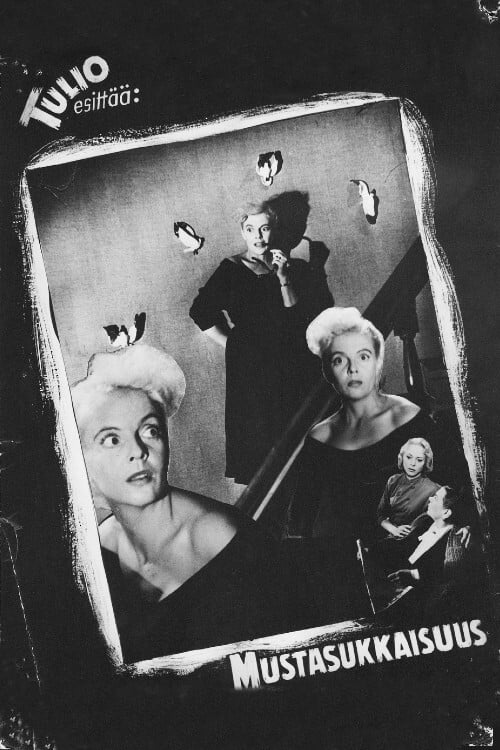
Mustasukkaisuus
1953
No user ratings available yet
Representation score: 1.2 out of 10
Representation Score
Minimal
1951
Director
Roland af Hällström
Runtime
97 minutes
Average Rating
No ratings yetNew Showbiz Analysis
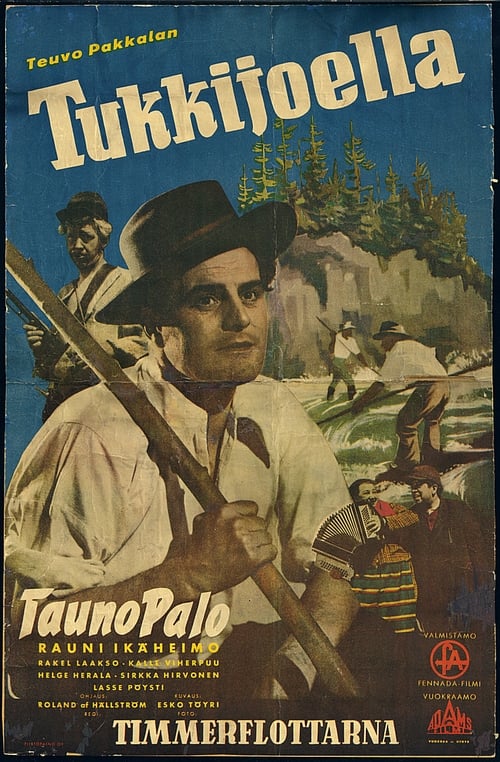
Tukkijoella is a period drama that emphasizes historical realism over modern diversity. It captures the socioeconomic and gender hierarchies of late 19th-century rural Finland, mirroring the social orders of the time. The film centers on class-based tensions and agrarian life but lacks complexity in addressing multiple layers of identity. While it portrays the pressures of community expectations, it does not challenge traditional norms. Ultimately, the work serves as a localized study of Finnish social life, offering little in the way of contemporary diversity or subversion of established norms.
Category Breakdown
The film adheres to a strictly heterosexual framework, focusing on conventional romantic relationships between men and women. There are no narratives that explore non-traditional gender identities or sexual orientations.
Women's roles in the film are primarily defined by their relationships to men. For example, Katri's character struggles against blackmail, highlighting traditional domestic and romantic roles expected during the era.
The cast is uniformly Finnish, reflecting the demographics of rural Finland. The film focuses on the local Finnish peasantry without delving into broader racial or ethnic diversity.
The story highlights the socioeconomic and agrarian life of the time, presenting religious and traditional social norms as foundational elements without critiquing them.
There are no prominent depictions of visible or invisible disabilities. None of the characters' stories are driven by physical or mental health conditions.
Present on Screen
Limited or Absent
Official Synopsis
A 3rd remake of the film based on the play by Teuvo Pakkala. Tells the story of the lumberjack group and how the lives of villagers and lumberjacks intertwine. Many loving couples are formed between jacks and village girls. At the same time, the farm of Pietola and the house matron, Katri is coveted by malicious Rättäri. He owns the IOU papers for Pietola and tries to get Katri using the IOU as blackmail.
1953
1965
1940
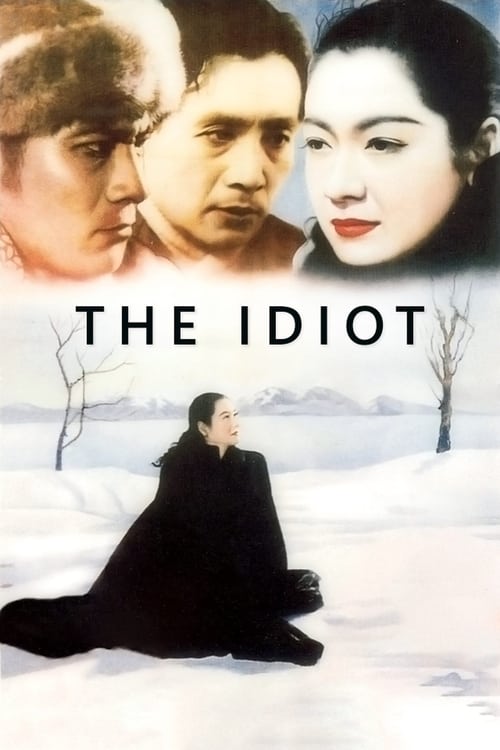
1951
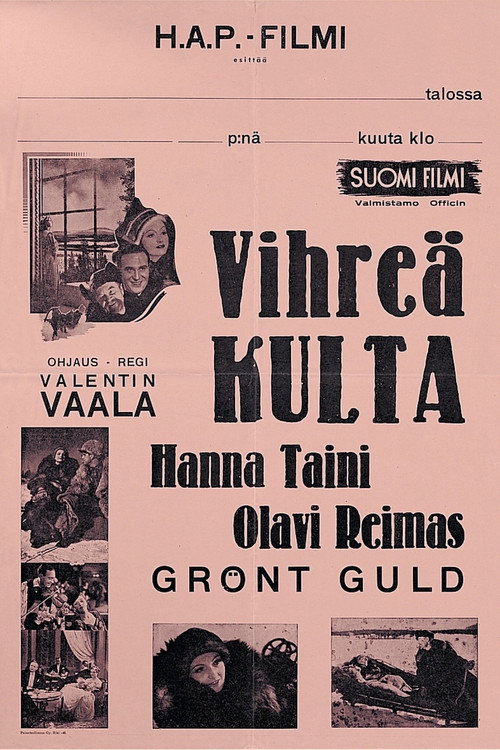
1939
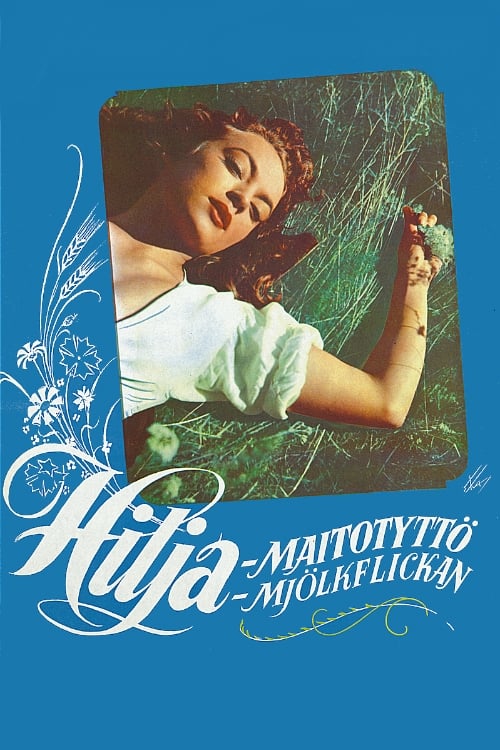
1953
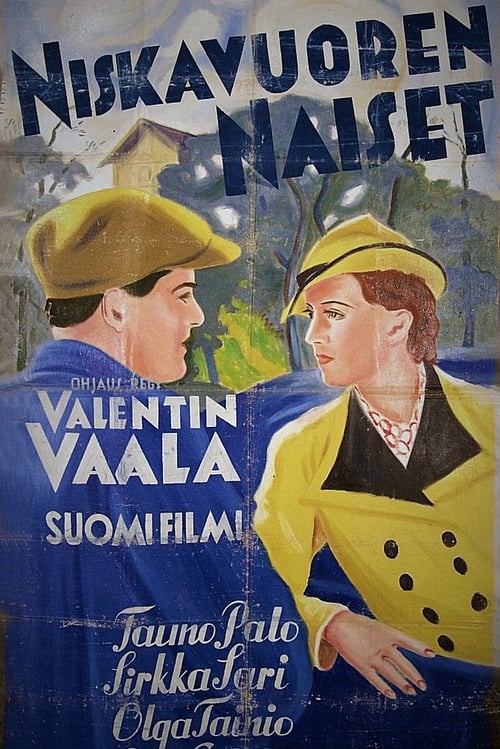
1938
1946
No reviews yet. Be the first to share your thoughts on this movie!
Use the rating form above to leave a star rating and optional review.