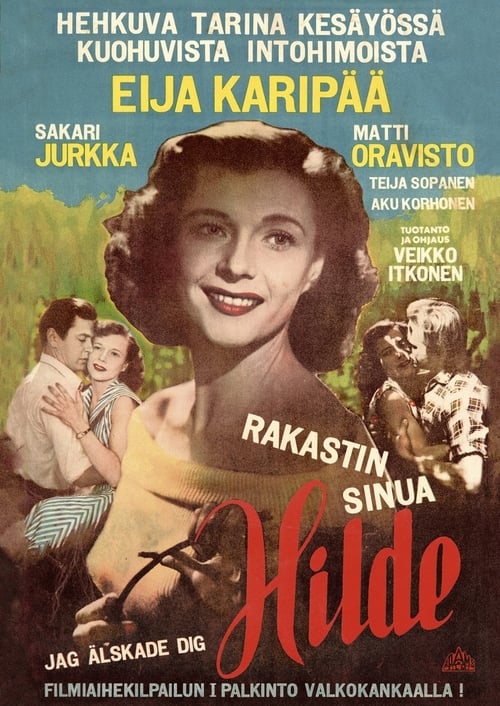
Rakastin sinua, Hilde
1954
No user ratings available yet
Representation score: 0.5 out of 10
Representation Score
Minimal
1953
Director
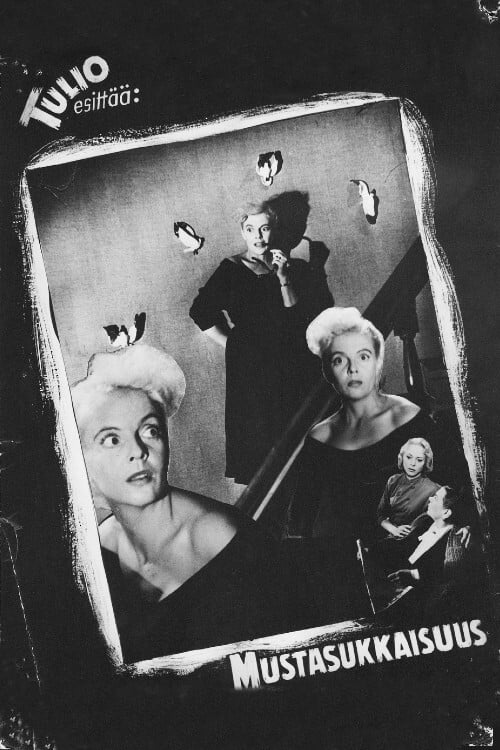
Teuvo Tulio
Runtime
93 minutes
Average Rating
No ratings yetNew Showbiz Analysis
Mustasukkaisuus is a period-typical melodrama that adheres to the cinematic conventions of 1950s Finland. The story revolves around a classic love triangle, where the conflict is centered on romantic rivalry rather than social critique. The film upholds traditional gender roles. Women play key roles in the emotional storyline, but their influence is defined by their relationships with the male lead, reinforcing the gender norms of the era. Overall, the film lacks depth in representing diverse identities. It remains a conventional romantic drama that reflects the cultural and demographic uniformity of its time.
Category Breakdown
The film centers around a heterosexual love triangle. There are no characters with non-binary gender identities or critiques of traditional gender norms.
Women's actions are driven by their romantic competition with each other, primarily focused on attracting the attention of a male character. Their motivations are tied closely to the male protagonist.
The cast reflects the ethnic makeup of 1950s Finland without showing characters from different racial backgrounds. The film does not blend different racial identities.
The story follows typical mid-century moral standards, emphasizing traditional family values and romantic jealousy.
There are no characters with visible or invisible disabilities mentioned in the provided context.
Present on Screen
Limited or Absent
Official Synopsis
Love triangle near roaring rapids. Two sisters fight for the attention of a handsome forester.
1954

1953
1940
1946
1939
1952
1971
1953
No reviews yet. Be the first to share your thoughts on this movie!
Use the rating form above to leave a star rating and optional review.