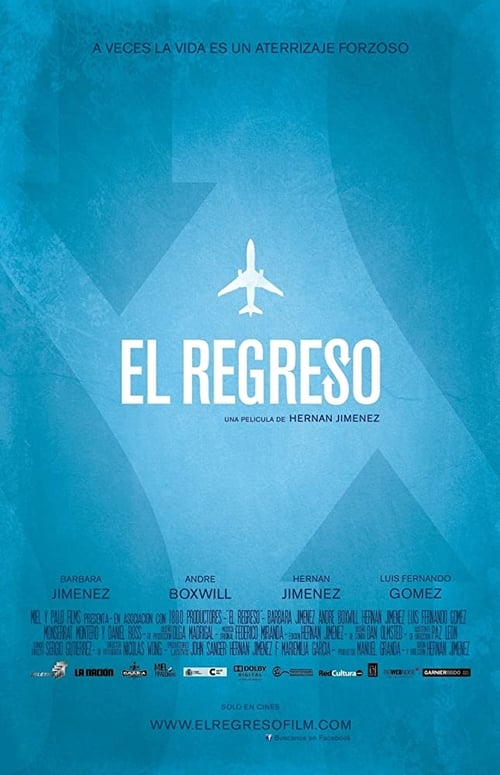
The Return
2011
No user ratings available yet
Representation score: 4.6 out of 10
Representation Score
Good
1989
Director
Fernando Fernán Gómez
Runtime
102 minutes
Average Rating
No ratings yetNew Showbiz Analysis
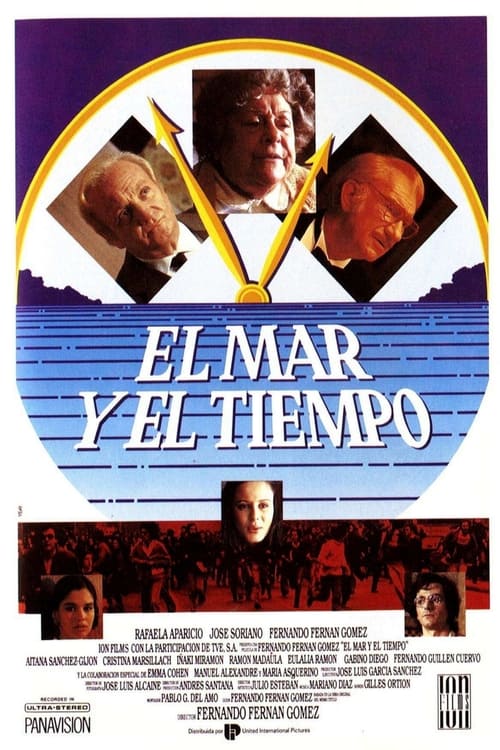
Fernando Fernán Gómez presents a somber exploration of social and temporal displacement. The film excels by challenging cultural and gendered expectations, avoiding a sanitized or patriotic view of the Spanish experience. However, the narrative lacks demographic diversity. Focusing on a localized, homogeneous Spanish context results in limited representation of racial and LGBTQ+ identities. Ultimately, the work finds its strength in psychological depth and the critique of established social orders, despite its narrow casting.
Category Breakdown
The film does not include any explicit LGBTQ+ characters or situations involving non-straight relationships. The story centers around a traditional family dealing with political exile.
Marcela challenges traditional gender roles by depicting a woman struggling with alcoholism and social decline. This provides a complex, tragic view of female vulnerability rather than idealized motherhood.
The drama focuses on the aftermath of the Spanish Civil War, with a cast reflecting a homogeneous demographic typical of the time.
The film critiques national identity by highlighting the sadness of the war's losers. It portrays the protagonist's return to Spain as a source of alienation rather than triumph.
A youngest family member is described as unable to understand the others. It is unclear if this represents cognitive differences or a metaphorical inability to comprehend political trauma.
Present on Screen
Limited or Absent
Official Synopsis
Jesus returns to Spain after a long exile in Argentina. The family he meets is very different from the one he left: they live under the sadness of being the losers of the war, Marcela, before a beautiful young woman, is now an alcoholic, and the youngest can not even understand them. Jesus wants to start a new life in Spain but he feels out of place; Time has turned him into an inhabitant of the other side of the 'puddle'.
2011
1984

1966

1997
1998
1995
2004

1982
No reviews yet. Be the first to share your thoughts on this movie!
Use the rating form above to leave a star rating and optional review.