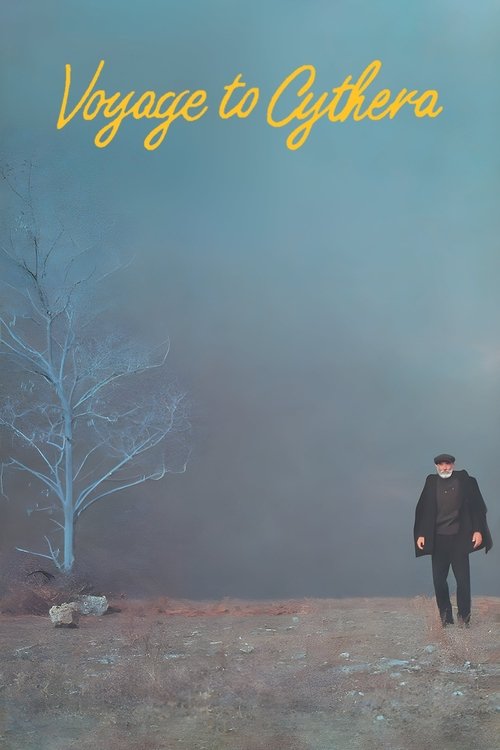
Voyage to Cythera
1984
No user ratings available yet
Representation score: 6.3 out of 10

Representation Score
Good
1986
Director
Theo Angelopoulos
Runtime
122 minutes
Average Rating
No ratings yetNew Showbiz Analysis
Theo Angelopoulos’s *The Beekeeper* is a meditative work of poetic realism that prioritizes existential inquiry over traditional identity politics. It eschews high-velocity archetypes to focus on solitude and the relationship between humanity and the Mediterranean landscape. The film disrupts conventional storytelling by centering on marginality and the subversion of domestic stability. While it lacks diverse representation or storytelling that reflects multiple aspects of identity, it succeeds in its rejection of standard dramatic arcs. Ultimately, the film's value lies in its atmospheric subversion. It favors a contemplative, non-conformist approach that explores the individual's struggle against social expectations and the passage of time.
Category Breakdown
The film does not include explicit LGBTQ+ identities or relationships that challenge traditional heterosexual norms. The central relationship between the man and the female drifter is unconventional but not specifically queer-coded.
A female drifter challenges traditional domestic roles through her mobility and unpredictability. However, the narrative remains heavily focused on the male protagonist's experience of solitude.
The story is deeply rooted in a specific Greek agrarian context. It avoids Western-centric homogeneity by focusing on a localized, rural identity rather than multiculturalism.
The film prioritizes a secular, almost pantheistic worldview dictated by nature and seasonal cycles. It subtly critiques the stability offered by traditional social and religious institutions.
There are no prominent depictions of physical or neurodivergent disabilities. The protagonist's emotional detachment is presented as an existential condition rather than a specific disability narrative.
Present on Screen
Limited or Absent
Official Synopsis
Following the wedding of his daughter, stone-faced beekeeper Spyros makes an annual journey from the north of Greece to the south, traveling along with his hives. En route, he meets an erratic, young female drifter, with whom he strikes up an unusual, self-destructive relationship.
1984
1976

1998
1959
1957
1999

1986
1999
No reviews yet. Be the first to share your thoughts on this movie!
Use the rating form above to leave a star rating and optional review.