
Manji
1964
No user ratings available yet
Representation score: 5.9 out of 10

Representation Score
Fair
1967
Director
Yasuzō Masumura
Runtime
94 minutes
Average Rating
No ratings yetNew Showbiz Analysis
Yasuzō Masumura’s *Two Wives* is a sophisticated critique of mid-century domesticity. It excels by centering female psychological ability to act, subverting traditional gender hierarchies to position women as the primary drivers of the film's emotional tension. While the film provides a nuanced exploration of Japanese social dynamics and moral gray areas, it remains limited by its focus on heterosexual relationships and a homogeneous cast. It does not feature LGBTQ+ identities or diverse racial representation. Ultimately, the film's strength lies in its refusal to adhere to conservative moral frameworks, choosing instead to examine the friction between individual desire and societal expectations.
Category Breakdown
The film focuses on heterosexual relationships and sexual anxiety. It does not include explicit non-binary gender identities or queer romantic arcs, finding tension in the disruption of the nuclear family.
Masumura prioritizes women's ability to act and subjectivity, moving beyond passive domestic roles. The narrative centers on women's internal desires and their ability to navigate and disrupt the constraints of marriage.
As a culturally specific Japanese production, the film maintains a homogeneous cast. It offers a vital non-Western perspective on domesticity without engaging in contemporary racial blending.
The film critiques the rigidity of traditional Japanese social institutions and the sanctity of marriage. It explores human impulses and social transgressions through a lens of moral relativism.
There is no discernible focus on physical or neurodivergent disabilities. The narrative conflicts are centered entirely on interpersonal and psychological dynamics.
Present on Screen
Limited or Absent
Official Synopsis
After a random encounter at a bar, two couples collide. Two men, two women, embroiled in a love-and-hate drama that threatens to engulf them. The sexual anxiety between the interwoven couples tautens right up to the nearly unbearable tension of the climax...
1964

1969

1964

1964
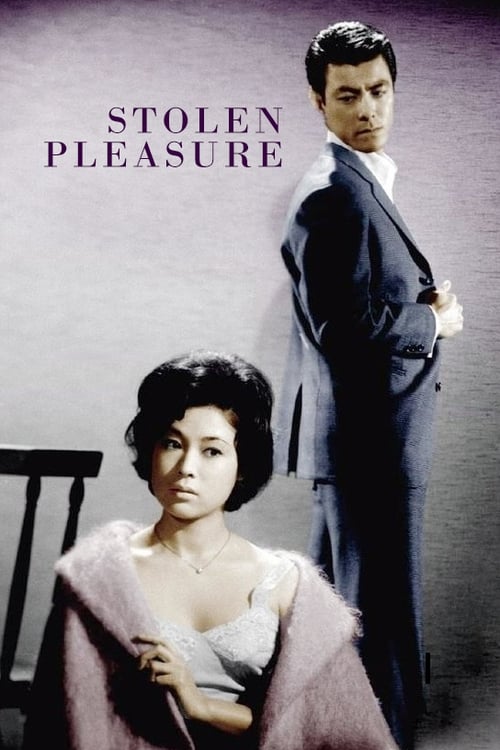
1962
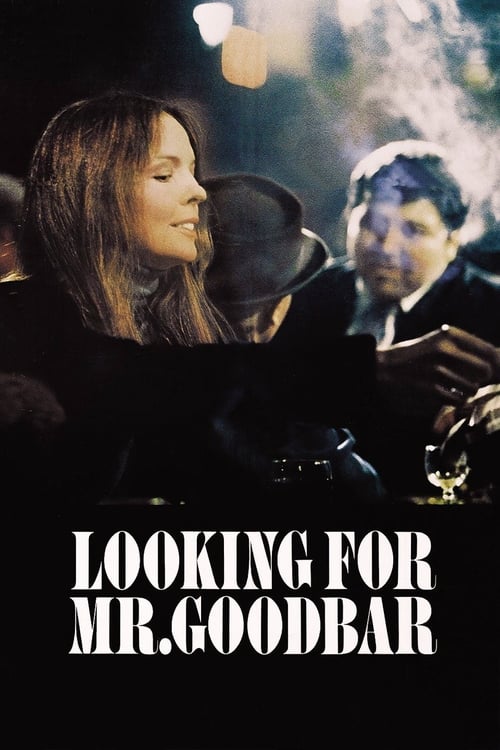
1977
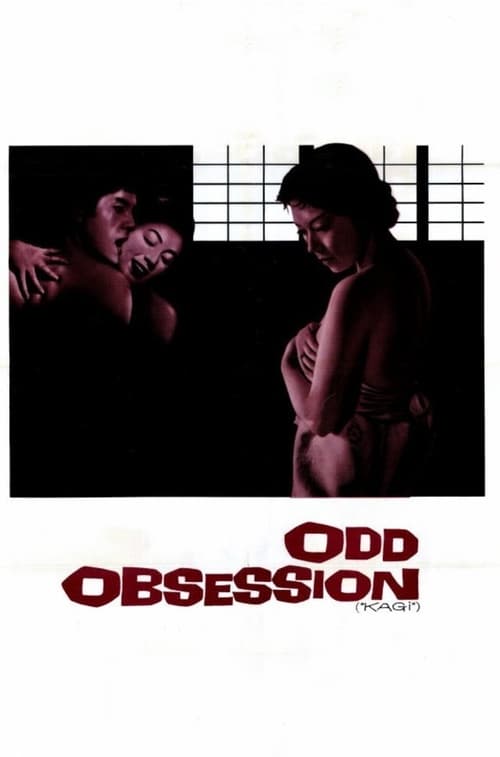
1959
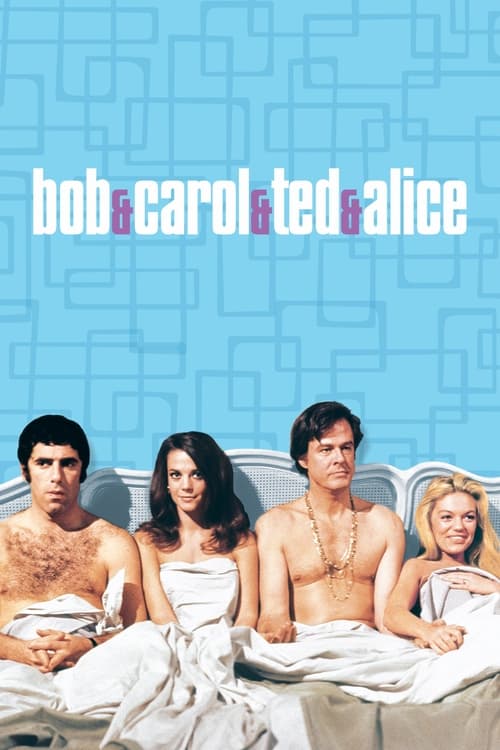
1969
No reviews yet. Be the first to share your thoughts on this movie!
Use the rating form above to leave a star rating and optional review.