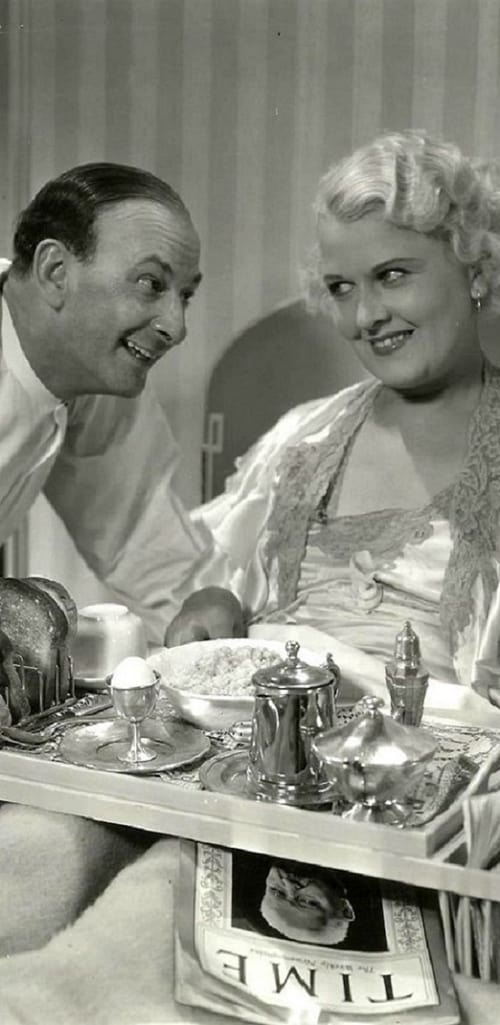
Perfectly Mismated
1934
No user ratings available yet
Representation score: 0.5 out of 10
Representation Score
Minimal
1934
PassedDirector
Robert Florey
Runtime
65 minutes
Average Rating
No ratings yetNew Showbiz Analysis
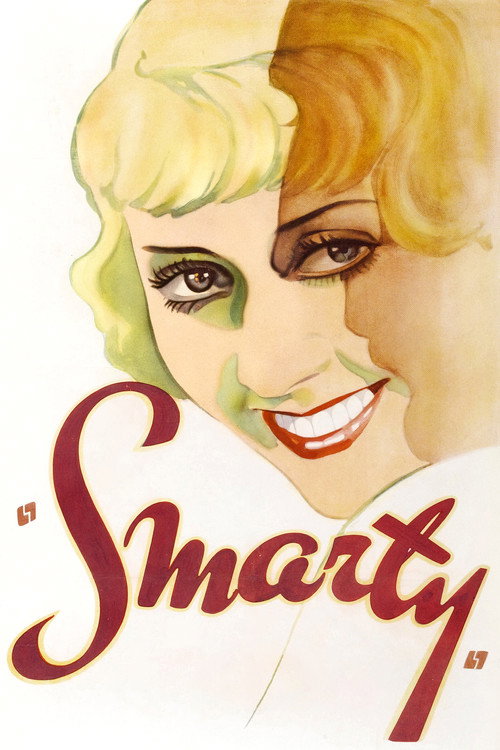
Smarty is a period-typical domestic comedy that adheres closely to the social norms of 1934. While the female lead displays some independence through her pursuit of divorce, the film ultimately relies on physical dominance by men to settle disputes. The production lacks diversity, offering no representation of racial, ethnic, or LGBTQ+ identities. It functions as a narrow exploration of Western marital instability and romantic rivalry. Ultimately, the film reinforces the era's standard social norms rather than challenging them, resulting in a very low diversity profile.
Category Breakdown
The film does not include any queer narratives or characters with non-straight identities. The plot stays within the heterosexual norms of the 1930s.
Vicki takes control by pursuing divorce and defying traditional marital norms. However, the narrative relies on male physical aggression to resolve conflicts, reinforcing traditional gender roles.
The story focuses on a homogeneous social circle centered around Western domestic issues. There is no indication of racial or ethnic diversity among the cast.
The narrative explores conflicts within established social contracts like marriage and divorce. It aligns with the conventional moral frameworks and Western social institutions of the era.
There is no mention of characters with visible or invisible disabilities in the narrative.
Present on Screen
Limited or Absent
Official Synopsis
Vicki Wallace takes great pleasure in teasing her husband Tony who takes no pleasure at all in being teased and it isn't long before he ups and clips her on the chin. Vicki's friend and attorney Vernon Thorpe secures a divorce for her, and Vicki and Vernon are soon married. Vicki's yen for wearing revealing clothes and a penchant for inviting ex-husband to dinner soon provokes the easily-provoked Vernon into belting one on her himself. She goes to Tony's apartment, where Tony is entertaining Bonnie, who is not all that entertained by the presence of Vicki, especially after Vicki shows every intent of moving in and staying.
1934
1939
1932
1948
1946
1938
1934
1937
No reviews yet. Be the first to share your thoughts on this movie!
Use the rating form above to leave a star rating and optional review.