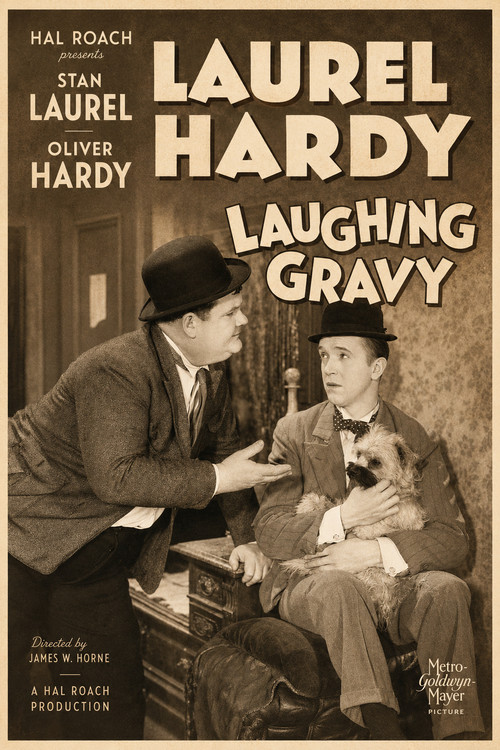
Laughing Gravy
1931
No user ratings available yet
Representation score: 0.1 out of 10
Representation Score
Minimal
1931
PassedDirector
James W. Horne
Runtime
62 minutes
Average Rating
No ratings yetNew Showbiz Analysis
The Chiselers is a period-specific domestic comedy that relies heavily on the standard cinematic structures of the early 1930s. Its narrative focus is narrow, centering on a situational conflict involving marital displacement and the subversion of residential rules. While the film slightly subverts traditional hierarchies by showing women as initiators of domestic conflict, it lacks broader complexity in representing diverse identities. The absence of diverse casting and reliance on traditional clichés result in a low diversity profile. Ultimately, the film serves as a snapshot of its era, prioritizing localized humor over broader social or political deconstruction.
Category Breakdown
The film follows a conventional framework that assumes everyone is straight and cisgender. There are no characters with non-conforming gender identities or narratives that question traditional gender norms.
Women kick their husbands out, initiating the conflict. This disrupts traditional hierarchies, but the story mainly revolves around the men's struggle in the home.
The film seems to follow the homogeneous casting standards typical of 1931. There is no indication of a non-white or non-Anglo-Saxon majority cast.
The story focuses on a localized comedy about apartment rules. It does not offer a broader critique of Western institutions, capitalism, or religion.
The narrative does not include any characters with physical, sensory, or neurodivergent disabilities.
Present on Screen
Limited or Absent
Official Synopsis
Having been kicked out by their wives on a wintry night they attempt to smuggle their little dog into an apartment house where dogs are not allowed.
1931
1934
1931
1931
1934
1930
1931
1935
No reviews yet. Be the first to share your thoughts on this movie!
Use the rating form above to leave a star rating and optional review.