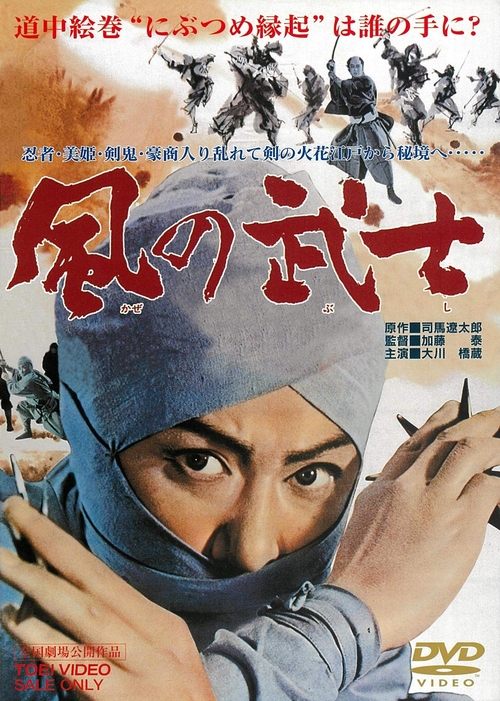
Samurai Hawk
1961
No user ratings available yet
Representation score: 2.8 out of 10
Representation Score
Limited
1964
Director
Tai Katō
Runtime
95 minutes
Average Rating
No ratings yetNew Showbiz Analysis
Tai Katō’s film is a classic example of 1960s chanbara cinema, emphasizing genre-specific clichés and mythic storytelling. It functions as a historically accurate piece that adheres to the social constraints of its time. While the film provides cultural depth through its focus on Japanese folklore and settings, it lacks modern diversity. Character dynamics follow traditional hierarchies, especially concerning gender and romantic structures. Ultimately, the work meets the genre requirements by delivering suspense and action, but it does not aim to challenge or deconstruct established social norms.
Category Breakdown
The film centers on a heterosexual relationship between Shinzo and a Princess. There is no indication of characters with non-binary gender identities or queer perspectives.
There is a female lead who is portrayed as a Princess, but her role seems to revolve around being romantically available. The story focuses mainly on the male protagonist.
The film features a predominantly Japanese cast. It avoids Western-centric biases by focusing on local folklore and the Kumano mountains.
The story draws heavily from Japanese mysticism and ninja legends. It upholds traditional values of honor and destiny within established cultural mythologies.
The narrative does not include any characters dealing with physical or neurodivergent disabilities.
Present on Screen
Limited or Absent
Official Synopsis
A suspenseful Ninja fantasy based on Shiba Ryotaro's novel, woven with the mysterious fate and romance of Shinzo and a beautiful Princess who find themselves at the center of an intrigue surrounding the legendary land of Yasurai in the mountains of Kumano. Hidden gold, the love of a beautiful Princess, and the approaching evil sword all contribute in bringing you a Ninja action thriller that only the legendary actor Okawa Hashizo and the genius director Kato Tai could produce!
1961
1974
1957
1962
1963
1957
1992
2009
No reviews yet. Be the first to share your thoughts on this movie!
Use the rating form above to leave a star rating and optional review.