
Black Candles
1982
No user ratings available yet
Diversity score: 3.3 out of 10
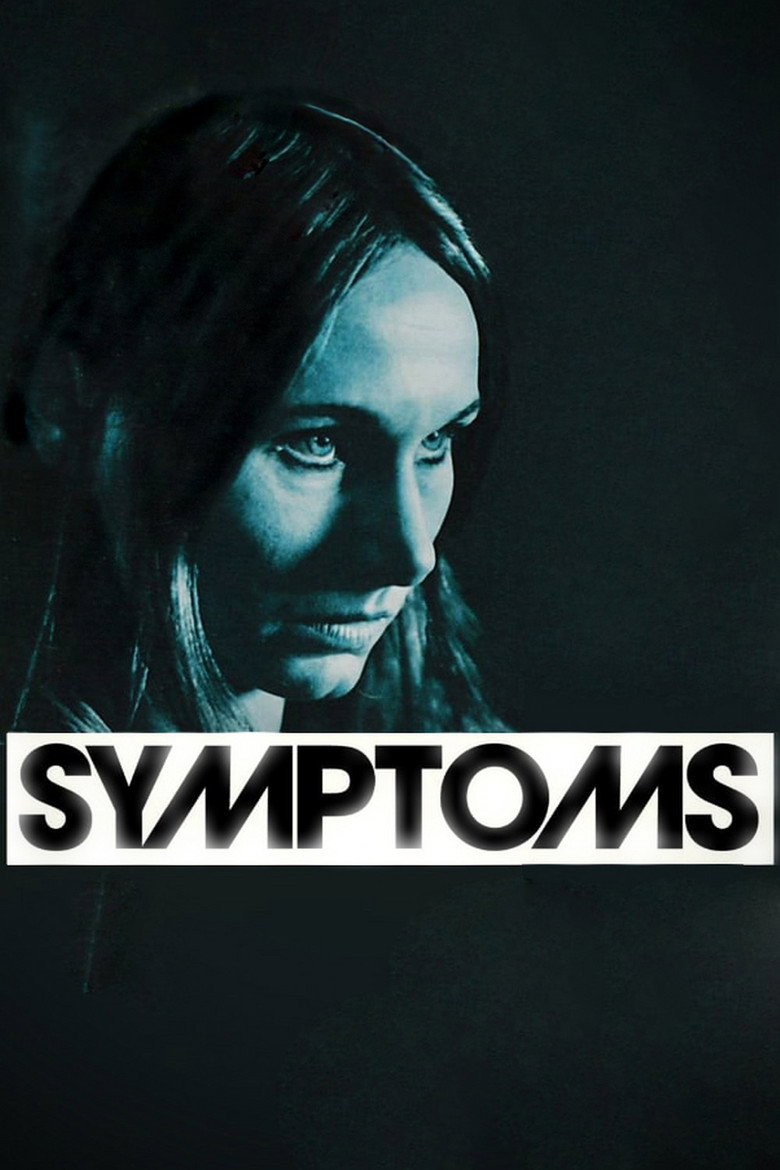
1974
Director
José Ramón Larraz
Runtime
91 minutes
Average Rating
No ratings yetSynopsis
A young woman is invited by her girlfriend, who lives in an English country mansion, to stay there with her. The estate, however, isn't quite what it seems--and neither is the friend who issued the invitation.
Overall Score
Fair
Category Breakdown
LGBTQ+ Representation
The film operates within a heteronormative framework without explicit depictions of same-sex intimacy. While subtextual queer themes are often debated by academics, the lack of overt representation results in a low score.
Gender Representation
The narrative disrupts traditional hierarchies by centering on female psychological agency. It avoids masculine hero tropes, instead focusing on the intellect and internal breakdowns of its female protagonists within the domestic sphere.
Racial & Ethnic Diversity
Set in an isolated English estate, the film features a predominantly white, European cast. There is no evidence of racial or ethnic diversity among the primary characters.
Religious & Cultural Diversity
The story deconstructs Western aristocratic ideals by framing the manor as a site of decay. It critiques traditional social structures and the sanctity of the domestic home through a postmodern lens.
Disability Representation
The film offers a harrowing exploration of mental health and psychological instability. Rather than using madness as a caricature, it treats the fractured psyche as a central, driving narrative force.
Strengths
Areas for Improvement
AI Analysis
Symptoms is a psychological character study that prioritizes internal landscapes over traditional genre tropes. It succeeds in subverting gendered domesticity, moving away from masculine-led horror toward a nuanced examination of female repression. However, the film lacks demographic breadth. The setting and cast are almost entirely homogenous, reflecting the era's lack of racial and ethnic diversity. While it explores complex psychological states, it remains tethered to a traditional Western, aristocratic framework. Ultimately, the film's strength lies in its thematic depth regarding the human psyche, even as it fails to provide explicit representation for LGBTQ+ or diverse ethnic identities.
1982
1990

1987
1973
1987
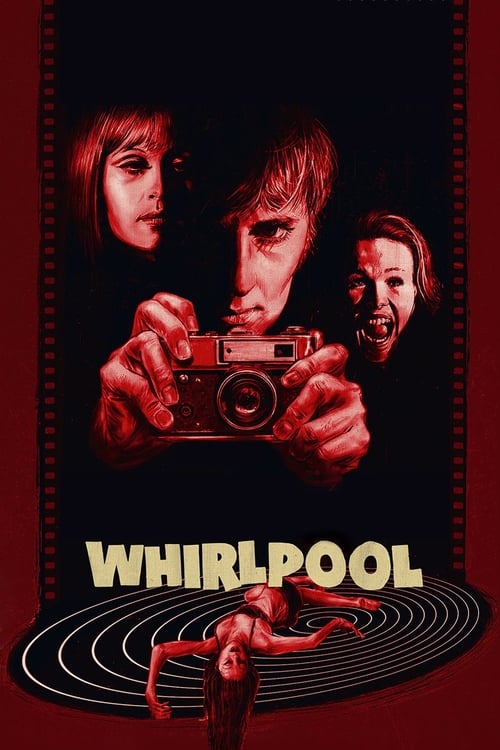
1970
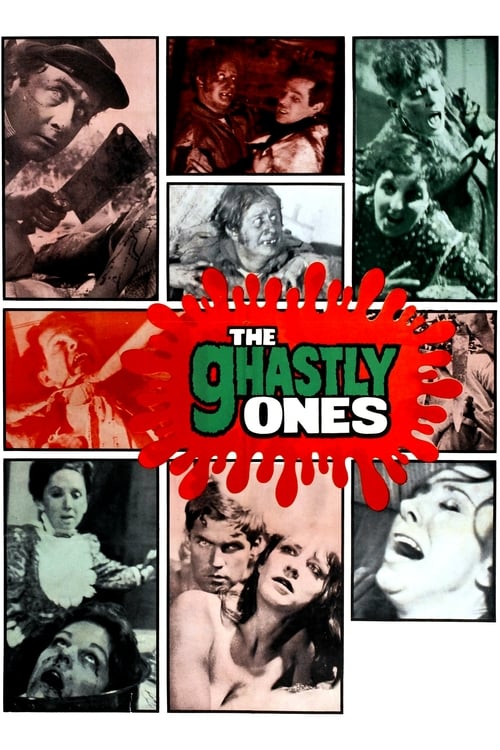
1968
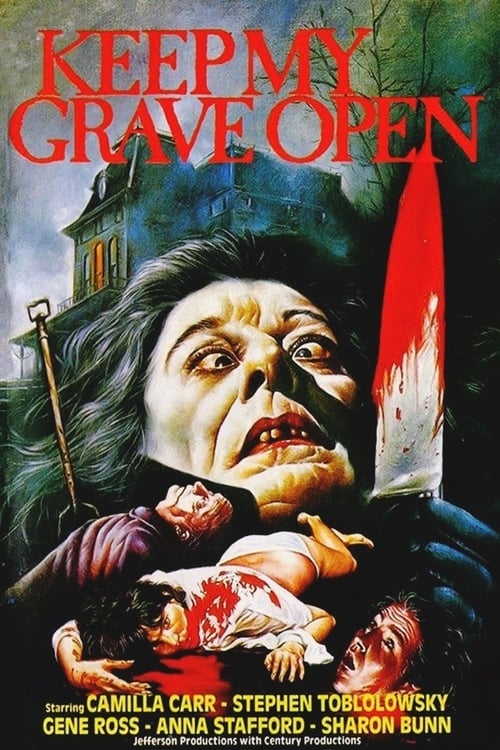
1977
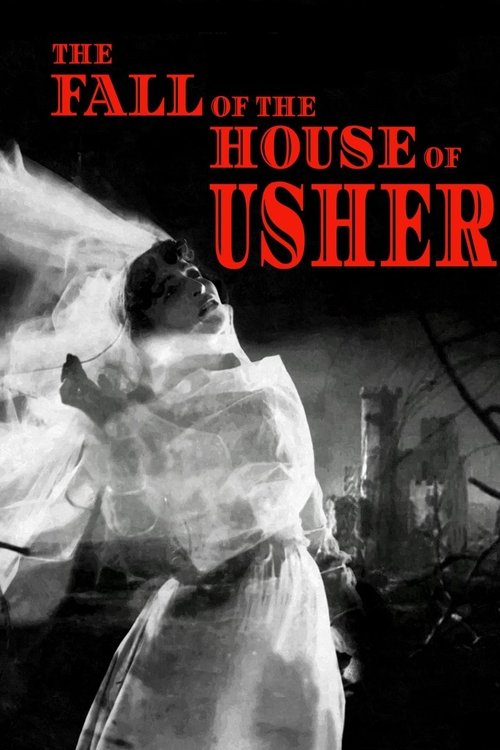
1928

1973
1977
1972
No reviews yet. Be the first to share your thoughts on this movie!
Use the rating form above to leave a star rating and optional review.