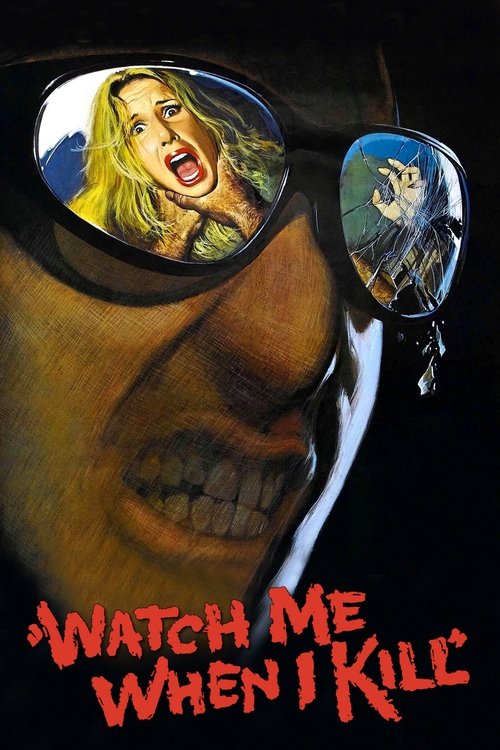
Watch Me When I Kill
1977
No user ratings available yet
Representation score: 2.9 out of 10

Representation Score
Limited
1973
RDirector
José Ramón Larraz
Runtime
103 minutes
Average Rating
No ratings yetNew Showbiz Analysis
The film operates as a traditional genre piece, prioritizing atmospheric tension and suspense over social critique. It relies heavily on established horror archetypes, specifically the 'Final Girl' cliché, which centers female vulnerability as a primary driver of the plot. Representation is limited by a focus on a singular, conventional survival arc. The narrative lacks perspectives that reflect multiple aspects of identity, appearing to adhere to mid-century gendered romantic clichés and a homogeneous Western setting. Ultimately, the work does not seek to disrupt social hierarchies or provide systemic critique, functioning instead as a standard psychological horror experience.
Category Breakdown
The film focuses on a heterosexual relationship between Valerie and her boyfriend. There are no characters with non-cisgender identities or narratives that challenge the assumption that everyone is straight.
Valerie is portrayed as a central 'Final Girl' archetype. While she plays a significant role in driving the story, the plot relies on the conventional horror cliché of a woman being stalked to create tension.
The setting and characters suggest a conventional, likely homogeneous Western horror environment. There is no indication of diverse ethnic perspectives or race-bent casting.
The narrative functions within a traditional Western framework focused on individual survival. It lacks themes that challenge institutional power or deconstruct social and religious institutions.
There are no mentions of characters with visible or invisible disabilities. No instances of neurodivergence or physical disability are present in the narrative.
Present on Screen
Limited or Absent
Official Synopsis
A young model, Valerie, and her petty thief boyfriend witness a murder in a backwoods manor. Valerie escapes, but soon finds herself being stalked by the killer.
1977
1970

1975
1963
1978
1988
1988

1978
No reviews yet. Be the first to share your thoughts on this movie!
Use the rating form above to leave a star rating and optional review.