
Bridge to Nowhere
1986
No user ratings available yet
Representation score: 1.8 out of 10
Representation Score
Limited
1976
RDirector
Chicho Ibáñez Serrador
Runtime
112 minutes
Average Rating
No ratings yetNew Showbiz Analysis
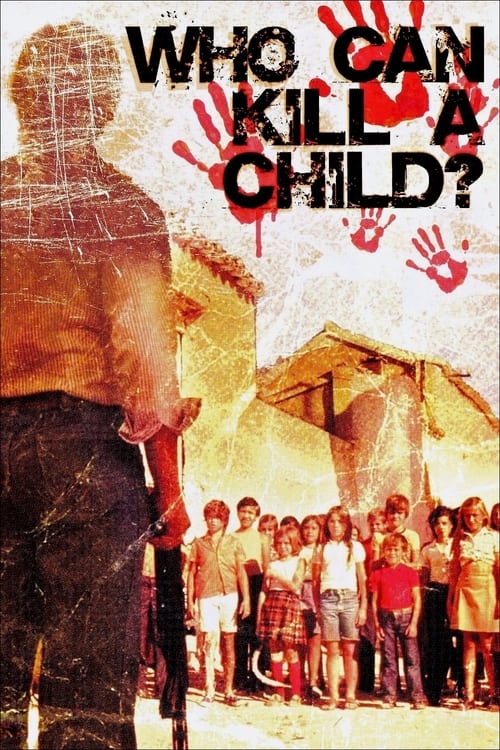
Who Can Kill a Child? is a psychological exploration of social structures rather than a work focused on diversity. It stands out for its cultural subversion by dismantling the notion of childhood innocence, offering a bleak view of social cohesion. However, the film lacks diversity in traditional metrics. The cast is ethnically uniform, and there is no representation of LGBTQ+ identities or neurodivergent characters. Ultimately, the film's strength lies in its critique of established hierarchies and the collapse of adult authority, despite its limited demographic representation.
Category Breakdown
The film does not include any visible LGBTQ+ characters or explore non-straight relationships. The story focuses solely on the tension between visiting adults and local youth.
Sheila Koch is a key female character who plays a significant role in driving the story. However, the film does not challenge traditional gender roles.
The film features a predominantly white European cast, reinforcing a closed, ethnically uniform community without diverse representation.
The film challenges the traditional view of childhood by depicting children as agents of systemic violence. This subverts the idea of children as innocent and disrupts conventional moral norms.
There are no prominent depictions of physical or neurodivergent disabilities. Such traits are not used as central character elements or plot devices.
Present on Screen
Limited or Absent
Official Synopsis
A couple of English tourists arrive at the island of Almanzora, off the Spanish Mediterranean coast, where they discover that there are no adults in a small fishing village, only some children who stare at them and smile mysteriously.
1986
1986
1992

1966
2012

1975

2007
1978
No reviews yet. Be the first to share your thoughts on this movie!
Use the rating form above to leave a star rating and optional review.