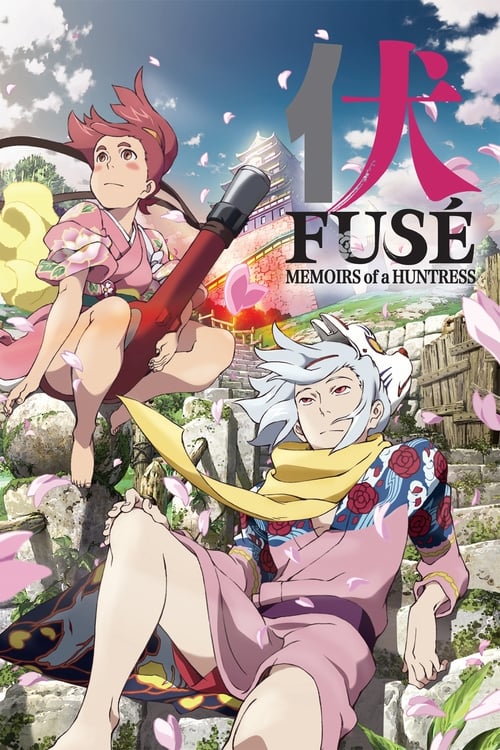
Fusé: Memoirs of a Huntress
2012
No user ratings available yet
Representation score: 6.3 out of 10
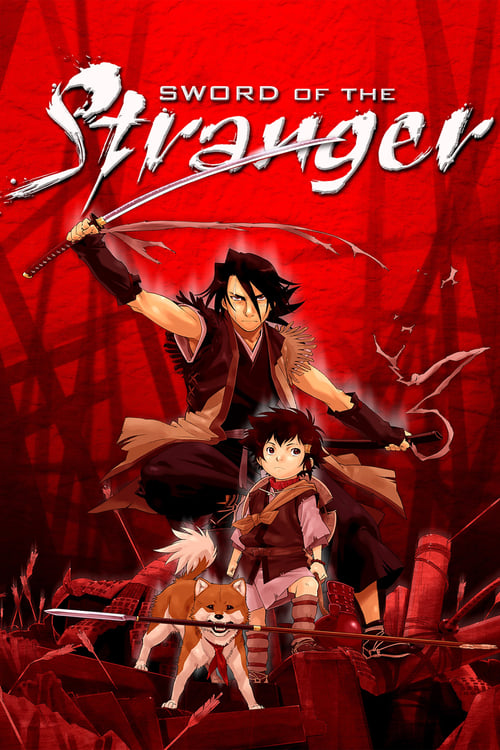
Representation Score
Minimal
2007
PGDirector
Masahiro Ando
Runtime
103 minutes
Average Rating
No ratings yetNew Showbiz Analysis
Sword of the Stranger is a masterful execution of the historical action genre, emphasizing kinetic storytelling and period aesthetics. The film relies on traditional clichés, such as the wandering warrior, to propel its narrative forward. While technically proficient, the film maintains a traditional approach to social structures. It offers minimal disruption to conventional gender and institutional hierarchies, focusing on the protection of the innocent through martial skill. The absence of diverse character archetypes confines the film to a narrow demographic and social scope, prioritizing genre-specific clichés over inclusive representation.
Category Breakdown
The film emphasizes a traditional bond between a wandering swordsman and a young boy, focusing on masculine camaraderie. It does not depict any non-traditional gender identities or same-sex relationships.
The cast is predominantly male, with a strong emphasis on masculine combat and violence. There are no central female characters who play a significant role in driving the story.
The cast consists of a homogeneous East Asian group, fitting the fictionalized feudal Japanese setting. The film avoids Western-centric whitewashing by staying true to its cultural context.
The narrative centers on individualistic survival and martial honor, following traditional heroic archetypes without critiquing systemic institutions or modern ideologies.
The film does not depict any visible or invisible disabilities or neurodivergence. Characters are defined almost exclusively by their physical prowess and combat abilities.
Present on Screen
Limited or Absent
Official Synopsis
Pursued by formidable Chinese assassins, young Kotaro and his dog run into No Name, a mysterious stranger who gets pulled into the chase. The unlikely companions form a bond over saving the dog from a poison attack, but chaos erupts when the assassins find Kotaro, and No Name must face his past before a horrible fate is met again.
2012
1997
2011

2001
1985
2009

2019
2012
No reviews yet. Be the first to share your thoughts on this movie!
Use the rating form above to leave a star rating and optional review.