
Lupin the Third: The Fuma Conspiracy
1987
No user ratings available yet
Representation score: 5.8 out of 10
Representation Score
Limited
1985
Not RatedDirector
Rintaro
Runtime
132 minutes
Average Rating
No ratings yetNew Showbiz Analysis
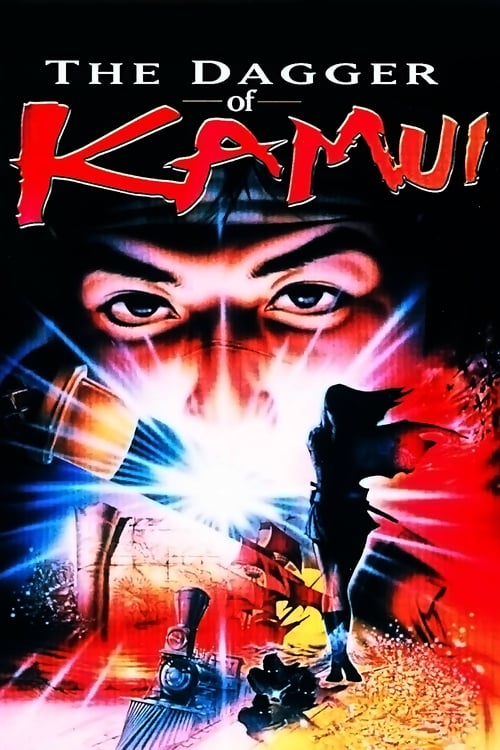
The Dagger of Kamui is a sophisticated action narrative that explores systemic corruption and ethnic identity using its historical setting. It avoids harmful stereotypes while staying within the traditional boundaries of its era. While the film lacks engagement with contemporary LGBTQ+ identities or diverse gender expressions, it achieves meaningful representation through its treatment of the Ainu people. This disrupts the typical homogeneity of Edo-period stories. The score reflects a work that is culturally grounded and offers a global scope, even as it stays within established martial clichés and focuses on a cycle of personal vengeance.
Category Breakdown
The film follows traditional chanbara genre norms and does not include any non-cisgender identities or same-sex relationships.
Gender roles follow 1980s action clichés. While the ninja Oyuki plays a significant role, the narrative reinforces traditional masculine hierarchies rather than challenging them.
The inclusion of the Ainu people provides a nuanced depiction of ethnic identity. The plot expands globally into Russia and America, moving beyond an isolated Japanese perspective.
The story critiques the Shogunate as a corrupt, greedy institution. However, the morality remains centered on personal vengeance and duty rather than explicit political ideologies.
There are no prominent depictions of visible or invisible disabilities that serve as central narrative drivers in this work.
Present on Screen
Limited or Absent
Official Synopsis
A young boy named Jiro finds his mother and sister murdered in his home. Falsely accused of the crime, he flees from his village and meets a priest named Tenkai, who has him kill a rogue ninja named Tarouza. After fulfilling that task, Jiro undergoes training to become a master assassin. Many years later, Jiro finds out that he was an orphan and his real father was Tarouza, who had worked for Tenkai until he aborted his mission when he fell in love with an Ainu woman. The young ninja discovers that the Shogunate was to retrieve the lost treasure of Captain Kidd and use it to once again isolate Japan from the rest of the world. Using the clues that Tarouza had kept secret, Jiro - along with the female ninja Oyuki and a slave named Sam - travels to Russia and America to search for the treasure in hopes of using it to extract revenge from Tenkai.
1987
1997
1992

2004

2003
1980
1995
1982
No reviews yet. Be the first to share your thoughts on this movie!
Use the rating form above to leave a star rating and optional review.