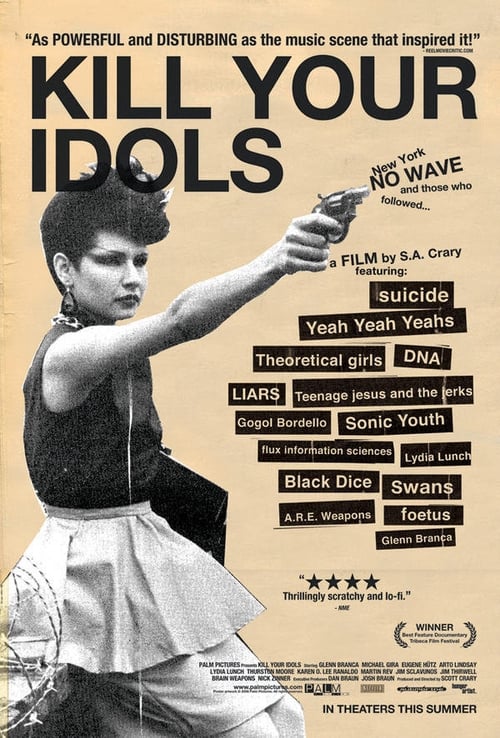
Kill Your Idols
2004
No user ratings available yet
Representation score: 7.2 out of 10
Representation Score
Fair
2017
TV-14Director
Ellen Goldfarb
Runtime
95 minutes
Average Rating
No ratings yetNew Showbiz Analysis
This documentary functions as a study of institutional friction rather than a study of identity politics. It centers on the tension between centralized corporate power and decentralized, grassroots expression through the lens of WLIR radio. The film's perspective is rooted in the disruption of established hierarchies. It frames the struggle against the FCC and major record labels as a victory for independent visionaries over conventional industry rules. While the subject matter inherently touches on movements that challenge social norms, the narrative remains focused on the history of media broadcasting and musical evolution.
Category Breakdown
The film captures an era known for non-conforming gender expressions and queer aesthetics. While the musical subjects challenge the assumption that everyone is straight or cisgender, the narrative lacks explicit character arcs centered on LGBTQ+ identity.
The documentary focuses on radio visionaries and industry figures in a field traditionally dominated by men. While musical artists often challenge gender norms through performance, the professional landscape remains centered on traditional hierarchies.
The narrative centers on a suburban Long Island radio station and a Western-centric music scene. There is a lack of significant representation of different racial backgrounds within the core crew or the primary musical movements discussed.
The film excels by portraying traditional Western corporate structures as monolithic forces. It celebrates the rebellion of independent broadcasting and the defiance of regulatory bodies as essential acts of cultural preservation.
There is no discernible focus on disability, neurodivergence, or physical impairment within this historical narrative.
Present on Screen
Limited or Absent
Official Synopsis
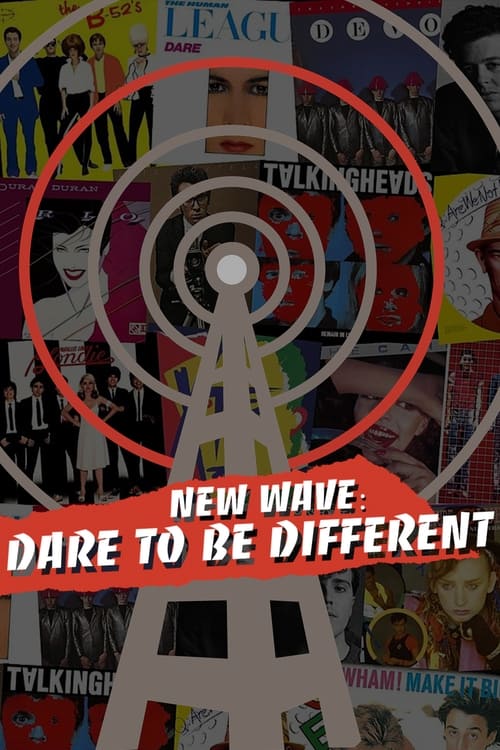
U2, Talking Heads, Depeche Mode, Blondie, Duran Duran, Tears for Fears, The Clash, The Cure: Over half a billion records sold but you may never have heard of them if not for a small suburban radio station on Long Island, NY: WLIR. In August, 1982, a small group of radio visionaries knew they couldn't compete with the mega-stations in New York City. With one brave decision, they changed the sound of radio forever. Program Director Denis McNamara, the 'LIR crew and the biggest artists of the era tell the story of how they battled the FCC, the record labels, mega-radio and all the conventional rules to create a musical movement that brought the New Wave to America.
2004
1981

2018
2021
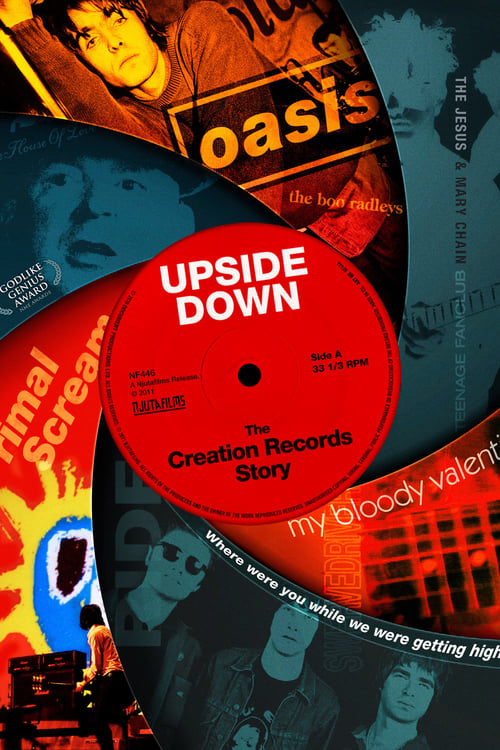
2010
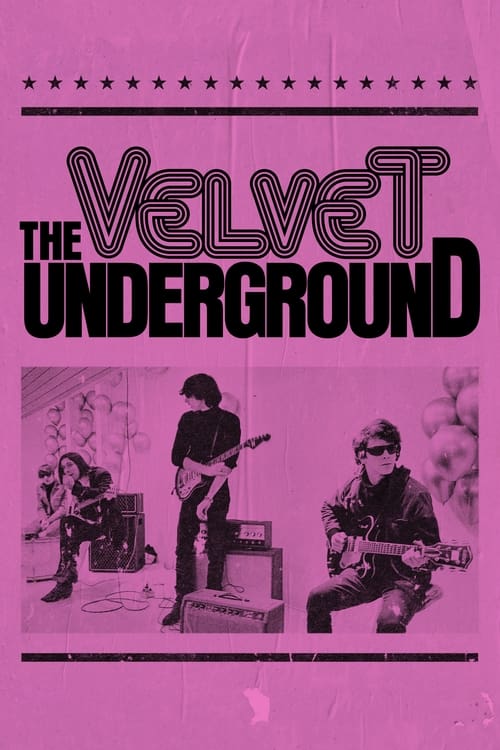
2021
2019
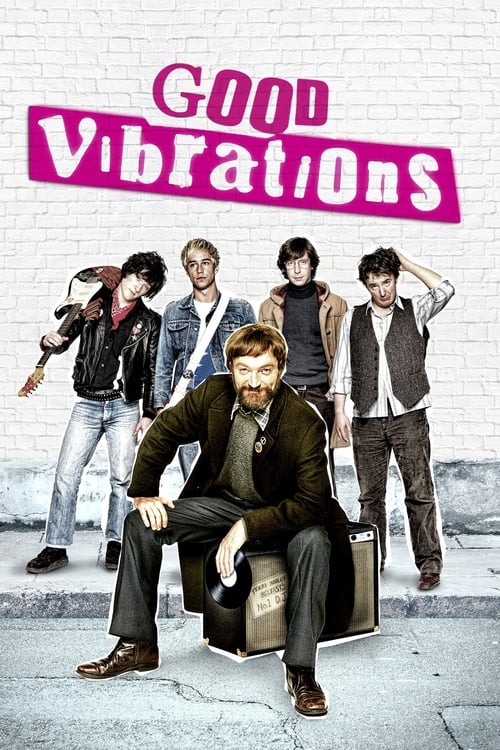
2012
No reviews yet. Be the first to share your thoughts on this movie!
Use the rating form above to leave a star rating and optional review.