
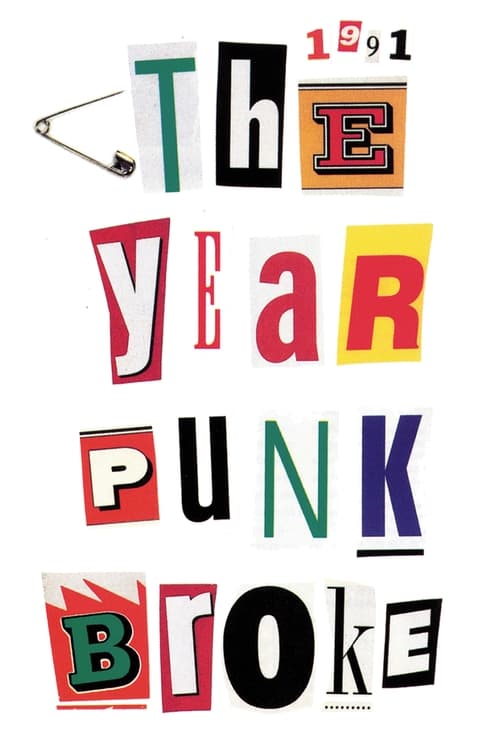
Punk Rock Summer Camp
1999
No user ratings available yet
Representation score: 5.0 out of 10
Representation Score
Fair
1992
Not RatedDirector
David Markey
Runtime
98 minutes
Average Rating
No ratings yetNew Showbiz Analysis
David Markey’s documentary is a crucial cultural document that prioritizes subcultural authenticity over polished commercialism. It successfully dismantles traditional gender hierarchies by giving equal prominence to female-led musical acts, offering a progressive alternative to mainstream rock media. However, the film is constrained by the demographic uniformity of the specific underground scenes it portrays. The absence of racial diversity and explicit LGBTQ+ narratives reflects the social limitations of the era rather than a lack of subcultural flexibility. Ultimately, the film’s strength lies in its critique of capitalism. It frames the rejection of institutional norms as a form of cultural liberation, making it a potent record of anti-establishment life.
Category Breakdown
The film captures an underground music scene that deviates from traditional heterosexual norms. Though it doesn't focus on specific LGBTQ+ stories or intimate relationships, the subculture's inherent flexibility offers a non-traditional social context.
By highlighting female-led bands alongside male-dominated acts, the documentary challenges the typical male-centric view of rock music. It emphasizes artistic freedom over conventional gender roles, effectively questioning the mainstream male perspective.
The featured musicians mainly represent a white, Anglo-Saxon demographic typical of the Pacific Northwest and Los Angeles scenes during that time. The film lacks diversity in race, reflecting the specific geographic limitations of the subculture.
The documentary is a deep exploration of anti-capitalist sentiments and the DIY spirit. It celebrates the rejection of corporate music industry norms and institutional authority in favor of authentic, decentralized expression.
There is no visible or hidden depiction of disability in the footage. The film does not use disability as a narrative tool or a means for characters to take control.
Present on Screen
Limited or Absent
Official Synopsis
David Markey's documentary of life on the road with Sonic Youth and Nirvana during their tour of Europe in late 1991. Also featuring live performances by Dinosaur Jr, Babes in Toyland, The Ramones and Gumball.
1999
1981
2002
2021

2004

2003
2006
2007
No reviews yet. Be the first to share your thoughts on this movie!
Use the rating form above to leave a star rating and optional review.