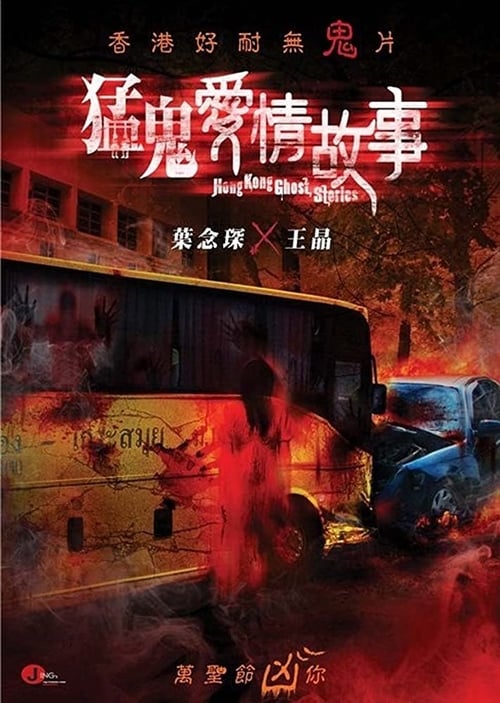
Hong Kong Ghost Stories
2011
No user ratings available yet
Diversity score: 4.0 out of 10
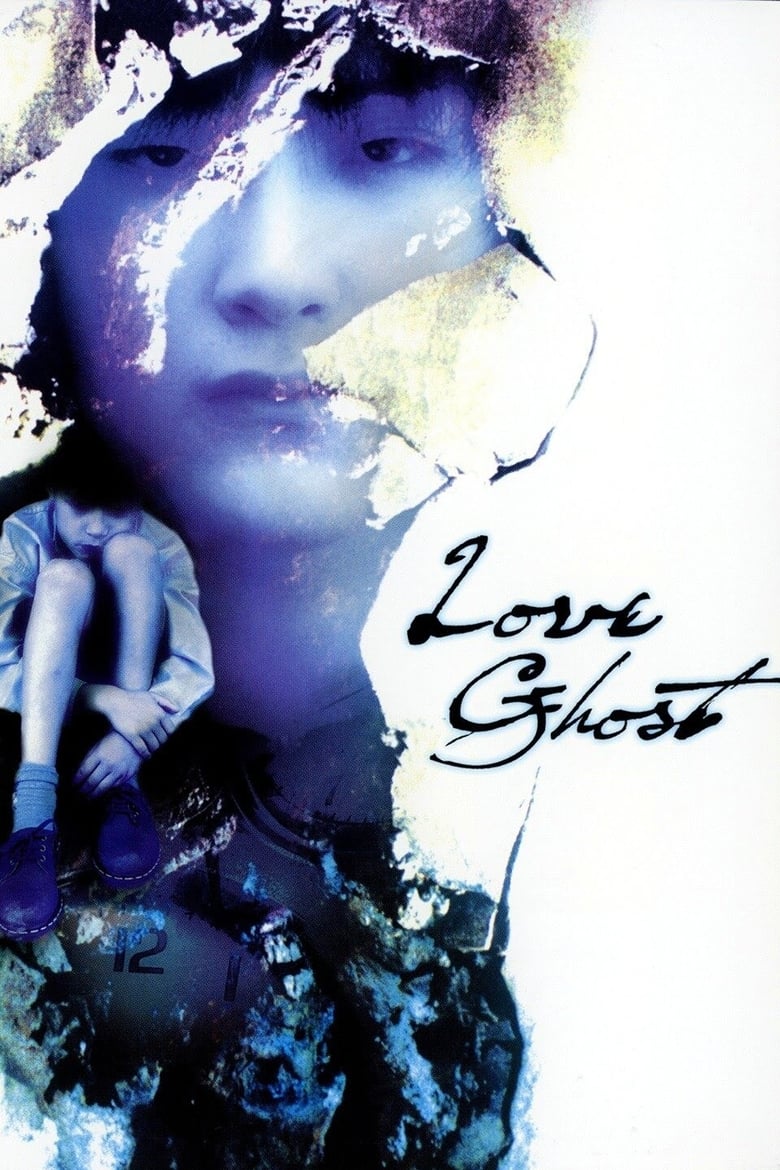
2001
Director
Kazuyuki Shibuya
Runtime
95 minutes
Average Rating
No ratings yetSynopsis
Teenager Midori's family moves back to the city where she lived as a child and is relieved to discover that her old friend Ryusuke still lives there. Her terrifying nightmares begin intersecting with her everyday life. Do her nightly dreams about an anonymous fortune-teller have anything to do with the tragedies plaguing her high school?
Overall Score
Limited
Category Breakdown
LGBTQ+ Representation
The story focuses on the connection between Midori and Ryusuke. There is no explicit evidence of queer identities or non-cisnormative themes within the narrative.
Gender Representation
Midori serves as the central protagonist with primary agency. However, her role is defined by nightmares and tragedy, which may lean into traditional horror tropes of female vulnerability.
Racial & Ethnic Diversity
As a Japanese production, the film features a culturally homogeneous cast. It does not attempt to disrupt norms or utilize diverse casting methods.
Religious & Cultural Diversity
The film adheres to J-Horror conventions, focusing on personal psychological distress. It avoids critiques of organized religion or broader societal structures.
Disability Representation
The protagonist's psychological distress and nightmares lack evidence of nuanced neurodivergent representation. These elements risk serving as mere plot devices rather than lived experiences.
Strengths
Areas for Improvement
AI Analysis
Love Ghost is a character-driven psychological horror film that prioritizes atmospheric tension and personal mystery. The narrative centers on Midori's navigation of past connections and supernatural tragedies, functioning primarily within the established tropes of the early 2000s J-Horror movement. While the film provides a central female perspective, it lacks intersectional complexity. The story focuses on individual trauma rather than deconstructing systemic power dynamics or social hierarchies. Ultimately, the film operates as a genre piece that emphasizes personal history over sociopolitical critique or diverse representation.
2011

2006

2003
2015
2013
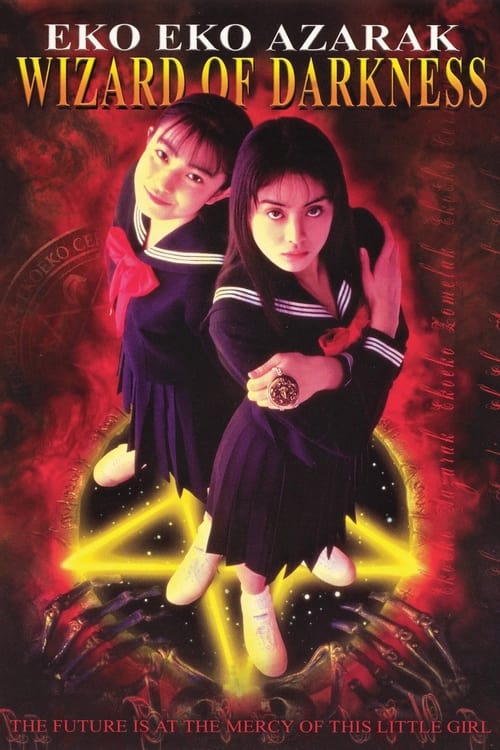
1995
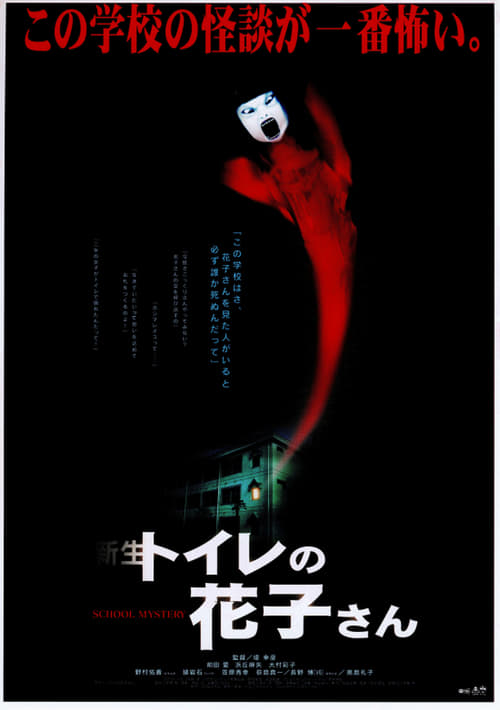
1998

1994
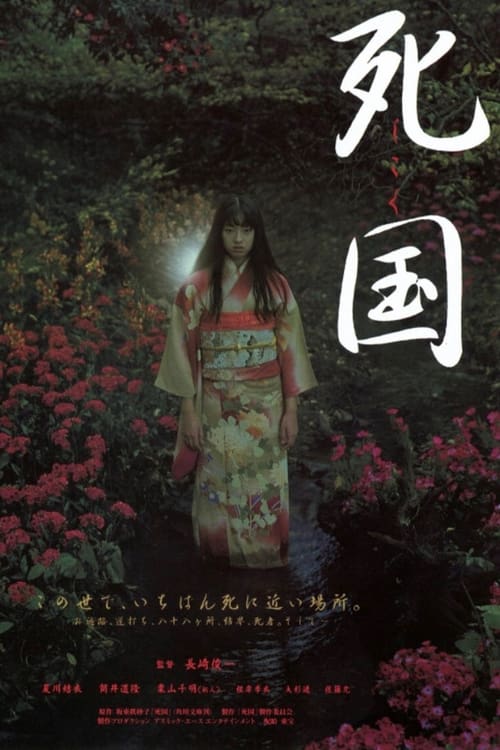
1999
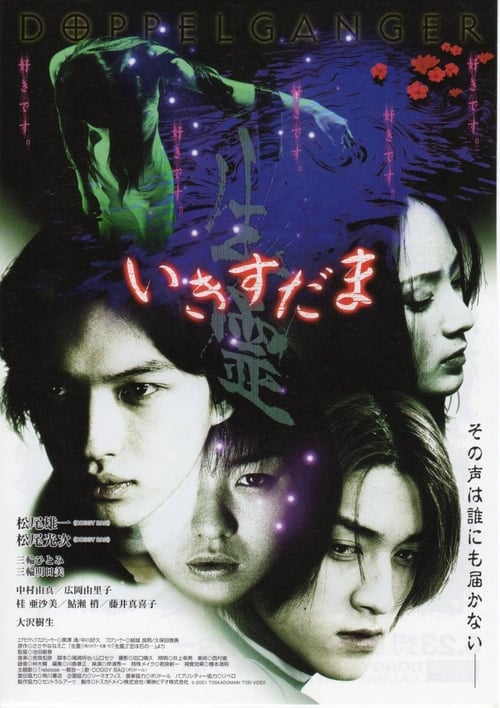
2001
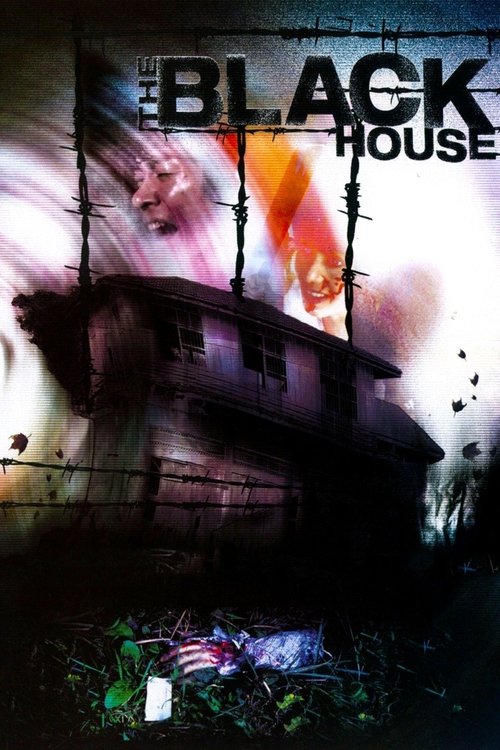
1999
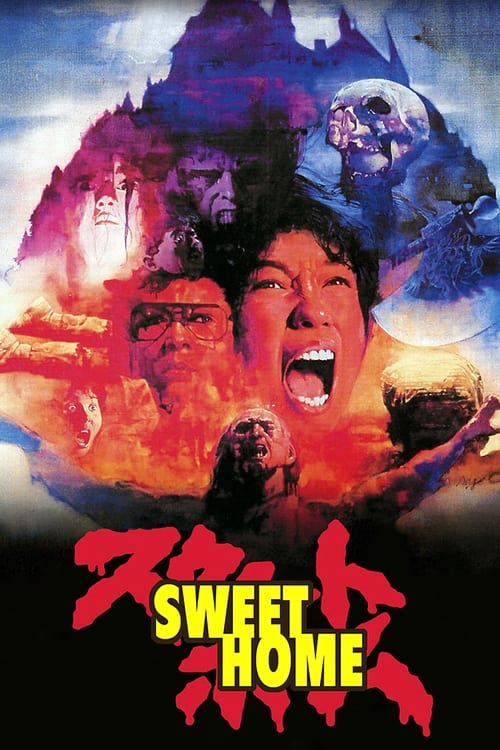
1989
No reviews yet. Be the first to share your thoughts on this movie!
Use the rating form above to leave a star rating and optional review.