
Pink Saris
2010
No user ratings available yet
Representation score: 6.8 out of 10
No Poster Available
Representation Score
Good
2014
PG-13Director
Kenny Saylors, Kyle Saylors
Runtime
84 minutes
Average Rating
No ratings yetNew Showbiz Analysis
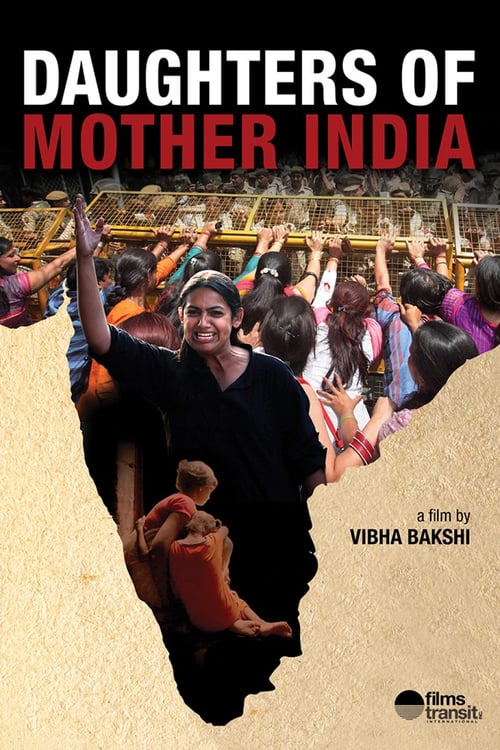
Veil of Tears is a documentary that prioritizes the elevation of underrepresented perspectives. It succeeds by centering the lived experiences of women in India, providing a platform for voices often excluded from global discourse. The film’s strength lies in its ability to challenge systemic social hierarchies and patriarchal structures. However, the film’s scope appears limited. While it offers deep engagement with gender and regional identity, it lacks visible representation for LGBTQ+ identities or disability. This creates a specialized focus that, while impactful, does not address the full spectrum of multi-layered identities. Ultimately, the documentary serves as a powerful tool for cultural critique. It moves beyond portraying victims, instead focusing on individuals actively working to change their society from within.
Category Breakdown
The film does not explicitly address LGBTQ+ identities or challenge straight-centered assumptions. There is no direct mention of LGBTQ+ inclusion or critiques of heterosexual norms.
The film highlights women who challenge traditional gender roles in India. By showing women as active drivers of social change, the movie grants them significant influence against patriarchal systems.
The documentary centers on non-Western voices within an Indian cultural context. This approach breaks away from a Western-centric perspective, offering a nuanced view of identity outside Anglo-Saxon norms.
The film critiques traditional institutions and systemic norms that perpetuate oppression. It emphasizes internal cultural reform and dismantles inherited power structures.
There is no information available regarding the portrayal of physical or neurodivergent disabilities in this work.
Present on Screen
Limited or Absent
Official Synopsis
This gripping new documentary film tells the untold story of millions of women in India who are culturally persecuted for no other reason than the fact that they are women. However, despite the centuries of oppression, there are those who are reaching out and trying to change the culture towards women, from the inside out.
2010
2023
2015
2016
2018
2011
2012
2017
No reviews yet. Be the first to share your thoughts on this movie!
Use the rating form above to leave a star rating and optional review.