Be My Voice
2021
No user ratings available yet
Representation score: 6.9 out of 10
Representation Score
Fair
2021
Not RatedDirector
Rintu Thomas, Sushmit Ghosh
Runtime
97 minutes
Average Rating
No ratings yetNew Showbiz Analysis
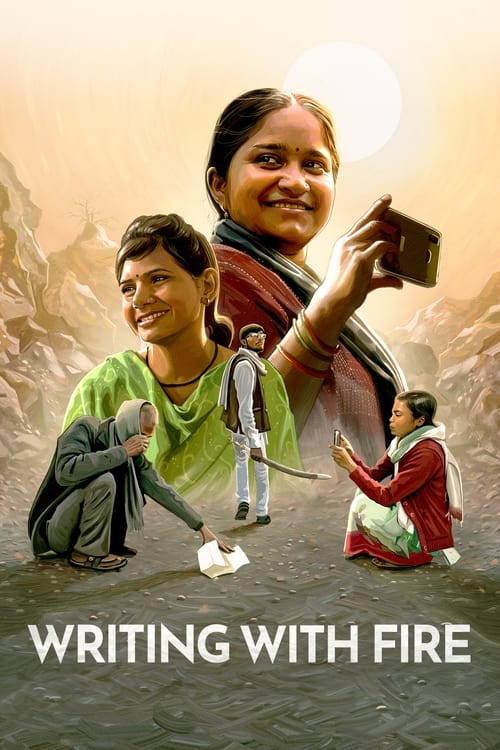
Writing with Fire is a significant work of storytelling that moves beyond including someone from a minority group without giving them real depth. It positions its subjects as the primary architects of their own professional and social identities. By centering Dalit women, the film provides a sophisticated deconstruction of traditional Indian social hierarchies. The documentary excels by focusing on the way women navigate overlapping systems of oppression. It effectively uses grassroots journalism to challenge systemic exclusion and the dominance of mainstream media narratives. While the film is powerful in its exploration of caste and gender, it lacks engagement with LGBTQ+ identities or disability-specific narratives. This limits its scope regarding other forms of characters who reflect more than one aspect of diversity.
Category Breakdown
The film does not include prominent LGBTQ+ characters or narratives. It focuses on liberation from patriarchal structures rather than queer identities.
The documentary disrupts gendered authority by centering women in professional leadership roles. These journalists act as active agents challenging patriarchal status quo in both public and private spheres.
This film provides an exceptional study of the way different parts of someone's identity overlap by focusing on Dalit women. It explores the complexities of caste to challenge upper-caste dominance.
The narrative highlights how traditional social structures can be oppressive. It prioritizes underrepresented voices to critique existing power dynamics and exclusionary social orders.
There is no evidence of characters whose primary narrative arcs are defined by physical or neurodivergent disabilities.
Present on Screen
Limited or Absent
Official Synopsis
In a cluttered news landscape dominated by men, emerges India’s only newspaper run by Dalit women. Armed with smartphones, Chief Reporter Meera and her journalists break traditions on the frontlines of India’s biggest issues and within the confines of their own homes, redefining what it means to be powerful.
2021
2023
2022

2015
2018
2018

2010

2021
No reviews yet. Be the first to share your thoughts on this movie!
Use the rating form above to leave a star rating and optional review.