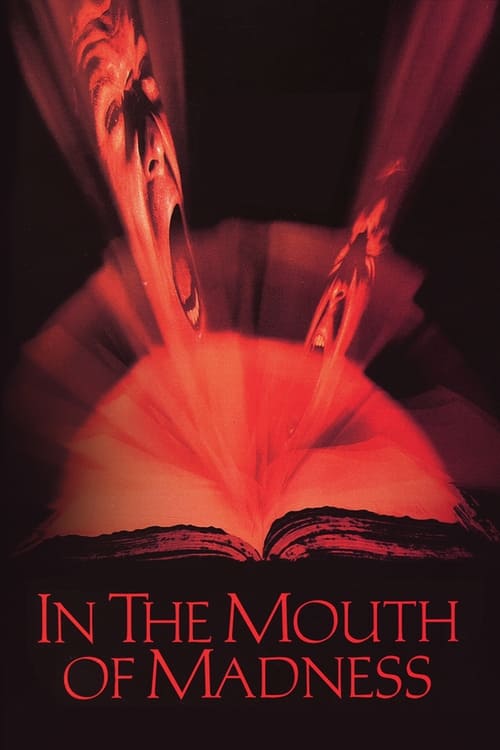
In the Mouth of Madness
1995
No user ratings available yet
Representation score: 3.2 out of 10
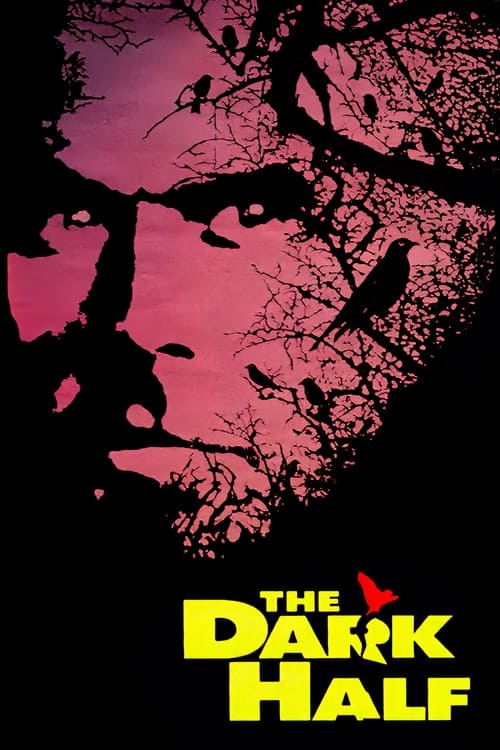
Representation Score
Limited
1993
RDirector
George A. Romero
Runtime
122 minutes
Average Rating
No ratings yetNew Showbiz Analysis
The Dark Half is a psychological horror film that emphasizes individual duality over social or systemic critique. Its narrative structure reinforces traditional domestic and social hierarchies, offering very little in the way of diverse representation. While George A. Romero is known for social commentary, this adaptation focuses on the protagonist's internal struggle. The film relies on conventional 1990s genre clichés, resulting in a homogeneous cast and a narrow focus on a single male perspective. Ultimately, the film lacks the intentionality required to disrupt standard expectations of identity or culture, functioning instead as a localized, character-driven thriller.
Category Breakdown
The film adheres to a strict assumption that everyone is straight or cisgender. It does not include any visible LGBTQ+ identities or narratives that challenge traditional sexual norms.
The narrative focuses heavily on the male protagonist. Female characters mainly serve as a backdrop to the male character's psychological journey.
The setting reflects a homogeneous, middle-class American environment. The casting depicts a predominantly white social landscape typical of 1990s genre conventions.
Themes of moral relativism are explored through a psychological lens rather than a systemic critique. The story centers on individual pathology rather than critiquing Western institutions.
Mental instability is used as a driver for supernatural horror. These elements function as plot devices for tension rather than nuanced portrayals of neurodivergence.
Present on Screen
Limited or Absent
Official Synopsis
Following the public's realization that Thad Beaumont and George Stark are one and the same, the former stages a mock funeral, only for a series of gruesome murders to begin occurring as in his books.
1995

1973
2012
1987

1990
1956

2004
1988
No reviews yet. Be the first to share your thoughts on this movie!
Use the rating form above to leave a star rating and optional review.