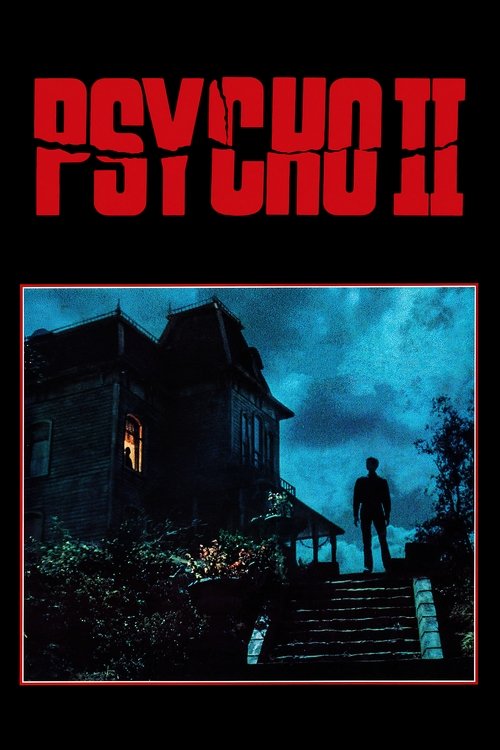
Psycho II
1983
No user ratings available yet
Representation score: 4.1 out of 10
Representation Score
Limited
1986
RDirector
Anthony Perkins
Runtime
93 minutes
Average Rating
No ratings yetNew Showbiz Analysis
Psycho III is a traditional psychological horror film that emphasizes individual tension rather than social commentary. The narrative structure relies on well-established genre conventions, avoiding deeper engagement with social issues. The film adheres to the demographic and narrative norms of mid-1980s American horror, focusing on psychological archetypes rather than diverse representation.
Category Breakdown
The film does not include any LGBTQ+ characters or non-assuming gender matches what was assigned at birth identities. The interpersonal dynamics are strictly heterosexual.
The film features strong female roles with Maureen Coyle and a central nurse. However, women are often portrayed as caregivers or catalysts for the male protagonist’s journey, reinforcing traditional gender roles.
The casting is predominantly white, with no characters of color having significant influence or depth.
Religious imagery is present through the character of a nun, but the film does not critically examine institutions. Instead, it focuses on individual mental health issues.
The plot centers on neurodivergence and mental instability. While it explores the subjective reality of hallucinations, it risks leaning into the cliché of the dangerous, unreliable madman.
Present on Screen
Limited or Absent
Official Synopsis
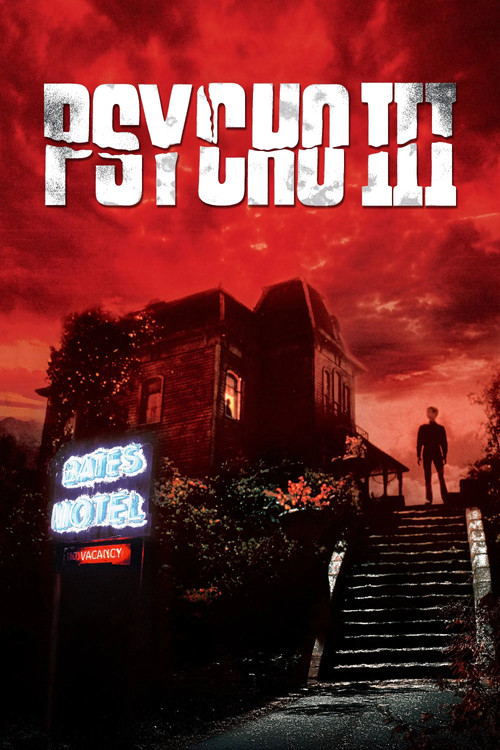
When Maureen Coyle, a suicidal nun who resembles Norman's former victim, Marion Crane, arrives at the motel, all bets are off and "Mother" is less than happy.
1983
1988

1990
1946
1990

1961

1998
1979
No reviews yet. Be the first to share your thoughts on this movie!
Use the rating form above to leave a star rating and optional review.