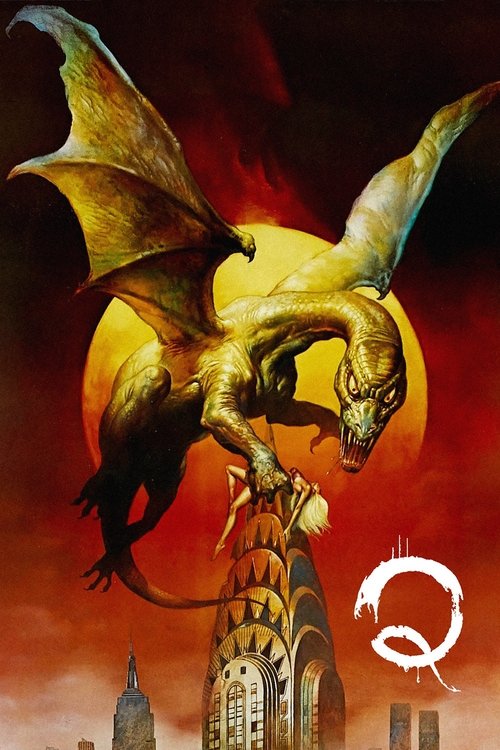
Q
1982
No user ratings available yet
Representation score: 3.8 out of 10

Representation Score
Fair
1976
RDirector
Larry Cohen
Runtime
90 minutes
Average Rating
No ratings yetNew Showbiz Analysis
Larry Cohen’s film is a character-driven psychological thriller that prioritizes urban anxiety over mainstream appeal. While it lacks representation of non-straight or non-cisgender identities, it offers a sophisticated critique of institutional authority. The film's strength lies in its cultural deconstruction, particularly how it challenges the notion of religion as a stabilizing moral force. It replaces moral certainty with a volatile, subjective reality that drives the plot's tension. However, the work remains limited by its era, relying on masculine-centric storytelling and traditional clichés regarding mental health. It functions more as a genre exploration of madness than a nuanced study of lived neurodivergent experiences.
Category Breakdown
The film does not include any non-straight or non-cisgender identities. It follows the traditional social structures of its 1970s urban setting without intentionally featuring queer characters.
The male protagonist plays a central role in driving the story. Female characters have little influence or intellectual parity compared to the male leads.
The casting reflects the typical urban landscape of 1970s New York. It avoids the homogeneity of studio-driven casts but does not challenge racial hierarchies through subversive casting.
The narrative challenges the idea of religion as a stabilizing force. Instead, it portrays religious fervor as a source of psychological instability and social breakdown.
The film explores neurodivergence and mental health crises through its antagonists. However, these portrayals rely on the common 'madness' cliché to drive the horror elements.
Present on Screen
Limited or Absent
Official Synopsis
A New York detective investigates a series of murders committed by random citizens who claim that 'God told them to'.
1982
1988

1990

1977
1999
1982
1987
1987
No reviews yet. Be the first to share your thoughts on this movie!
Use the rating form above to leave a star rating and optional review.