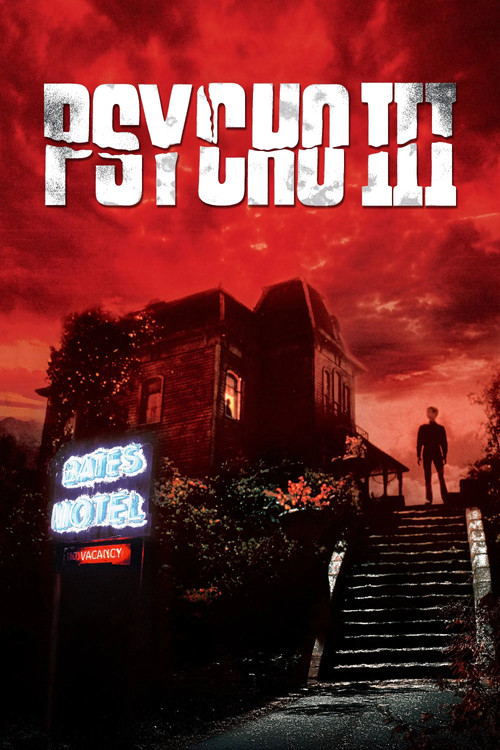
Psycho III
1986
No user ratings available yet
Representation score: 2.6 out of 10
Representation Score
Fair
1983
RDirector
Richard Franklin
Runtime
113 minutes
Average Rating
No ratings yetNew Showbiz Analysis
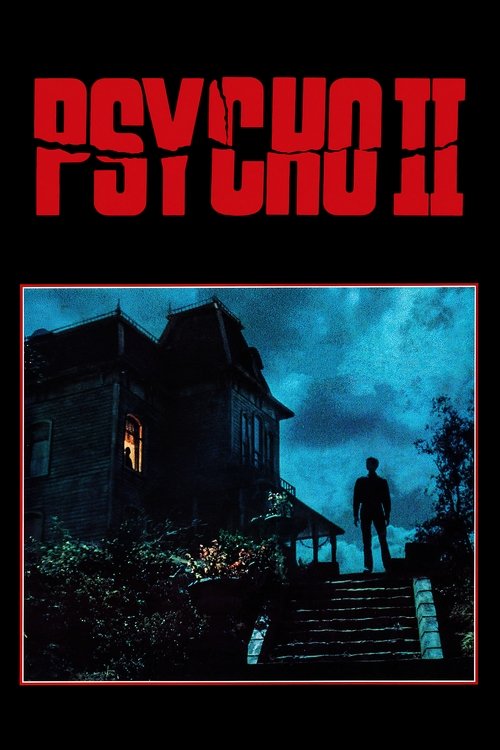
Psycho II serves as a modern deconstruction of a classic film icon. It shifts away from conventional morality to examine a subjective reality where the protagonist's sanity is constantly questioned. The film's diversity is limited by its time period, showing no racial or LGBTQ+ representation. It remains set in a homogeneous, white, middle-class context. However, the film stands out with its complex themes. By questioning institutional authority and rejecting simple good versus evil binaries, it offers a nuanced psychological study.
Category Breakdown
The film does not include any LGBTQ+ characters or explore non-straight identities. Relationships are focused on traditional heterosexual structures.
The narrative challenges gender hierarchies by highlighting the impact of maternal trauma. It passes the Bechdel test through conversations between female characters like Mona and others.
Casting is very uniform, reflecting a predominantly white, middle-class setting. There is no indication of intentional racial diversity.
The story questions established Western institutions by portraying psychiatric facilities as potentially unreliable. It uses moral relativism to show truth as a subjective concept.
The film deeply explores neurodivergence and mental health issues. While it gives the protagonist a significant role, it sometimes uses psychological vulnerabilities for suspense.
Present on Screen
Limited or Absent
Official Synopsis
Norman Bates is declared sane and released from the facility in which he was being held, despite the complaints of Lila Loomis, sister of his most famous victim. Is he really cured, or will he kill again?
1986
1971

1990

1964

1990
1979

1998
1987
No reviews yet. Be the first to share your thoughts on this movie!
Use the rating form above to leave a star rating and optional review.