Sinister
2012
No user ratings available yet
Representation score: 3.4 out of 10
Representation Score
Limited
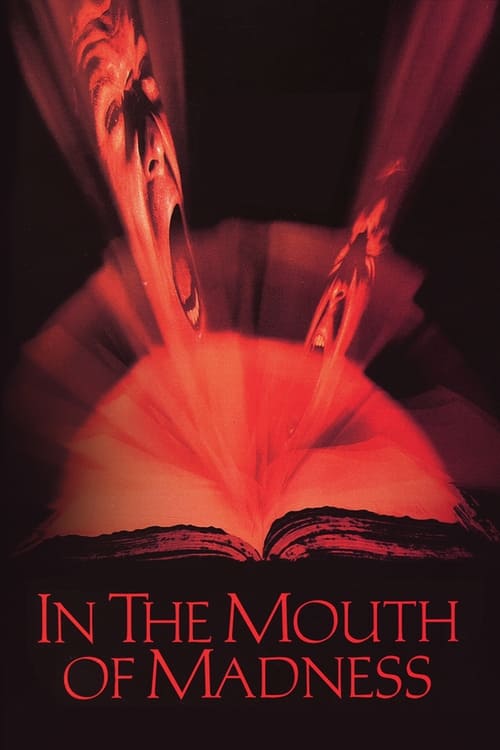
1995
RDirector
John Carpenter
Runtime
95 minutes
Average Rating
No ratings yetNew Showbiz Analysis
John Carpenter’s film is a work of profound postmodern complexity that prioritizes philosophical disruption over demographic variety. It succeeds intellectually by challenging the concept of a stable reality and institutional authority. However, the film remains demographically traditional. It lacks meaningful representation across gender, race, and LGBTQ+ identities, centering instead on a primarily white, male-driven narrative. Ultimately, the film is intellectually subversive but demographically narrow, trading social diversity for a sophisticated critique of truth and media.
Category Breakdown
The film does not include any LGBTQ+ characters and does not explore non-straight relationships. The story focuses entirely on the protagonist's psychological journey and the central cosmic mystery.
Male characters like John Trent and Sutter Cane play significant roles in driving the story. Female characters exist in professional and social roles but remain secondary to the male-driven narrative.
The cast reflects a largely homogeneous demographic consistent with its New England setting. There is a notable absence of diverse casting or intentional racial blending.
The film excels in depicting moral relativism and the deconstruction of objective truth. It uses a postmodern framework to critique how media and perception shape reality.
Themes of mental instability and lost cognitive control drive the cosmic horror. These elements serve psychological terror rather than providing nuanced portrayals of neurodivergence.
Present on Screen
Limited or Absent
Official Synopsis
An insurance investigator visits a small town while looking into the strange disappearance of a popular horror novelist. He soon finds that the impact of the author’s books is far more than inspirational.
2012

1976

2006
1993
2007

1978
2000

1972
No reviews yet. Be the first to share your thoughts on this movie!
Use the rating form above to leave a star rating and optional review.