Minutes
1964
No user ratings available yet
Diversity score: 3.7 out of 10
2018
Director
Sergei Loznitsa
Runtime
94 minutes
Average Rating
No ratings yetSynopsis
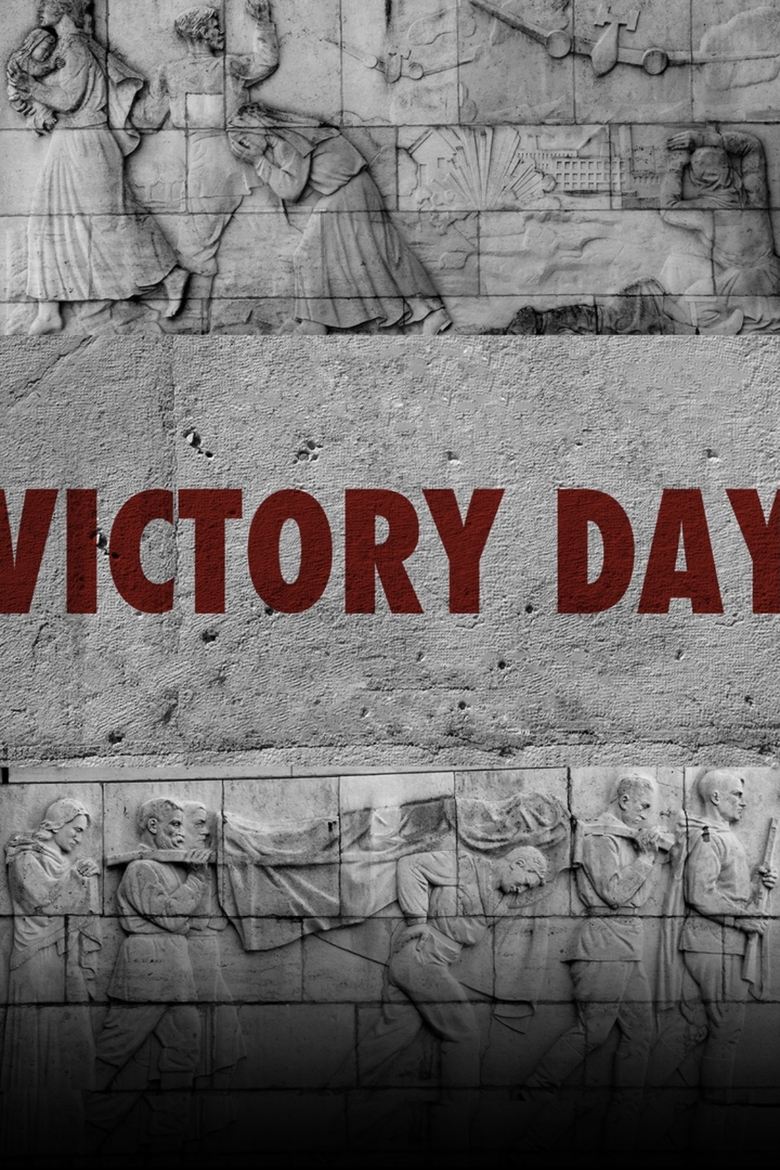
Every year, on the 9th of May, people gather in Treptower Park in Berlin. They come dressed in their best outfits or in Soviet military uniform. They carry flags, banners and posters. They lay flowers at the monument to the Soviet soldier; they sing, dance and drink. They celebrate the victory of the Soviet Union over Nazi Germany.The film is a direct reportage from Treptower Park 72 years after the victory.
Overall Score
Limited
Category Breakdown
LGBTQ+ Representation
The film contains a complete absence of LGBTQ+ characters or narratives. The archival Soviet newsreels reflect the rigid social structures of the era, which did not permit visibility for non-cisnormative identities.
Gender Representation
The narrative reinforces traditional hierarchies by positioning men as primary agents of combat and leadership. Women are largely relegated to symbolic roles, such as figures of mourning or personifications of the Motherland.
Racial & Ethnic Diversity
The film displays moderate diversity through the Soviet 'friendship of peoples' doctrine. While various ethnicities appear, they are presented through a framework of state-sanctioned multiculturalism designed to bolster national unity.
Religious & Cultural Diversity
The work scores highly by focusing on secularism and prioritizing a non-Western, anti-capitalist historical perspective. It functions as a deconstruction of how institutions manufacture truth and ritual to maintain power.
Disability Representation
There is no discernible representation of physical or neurodivergent disabilities. Subjects in the newsreels are presented as a homogenized, able-bodied collective to serve the state's imagery of strength.
Strengths
Areas for Improvement
AI Analysis
Sergei Loznitsa’s documentary uses archival Soviet newsreels to examine how historical memory is manufactured. While the film succeeds as a sophisticated semiotic study of state-driven ritual, it remains tethered to the limitations of its source material. The reliance on state-sanctioned archives results in a lack of representation for LGBTQ+ individuals and people with disabilities. These absences reflect the era's rigid social structures and the state's preference for a homogenized, able-bodied collective. Gender roles are strictly binary, emphasizing masculine combat and feminine symbolism. However, the film finds strength in its cultural critique, challenging Western-centric narratives through a lens of state-driven atheism and postmodern deconstruction.
1964
2021
2021

1976
1965

2014

2024
1965

2014
1981
1961

1986
No reviews yet. Be the first to share your thoughts on this movie!
Use the rating form above to leave a star rating and optional review.