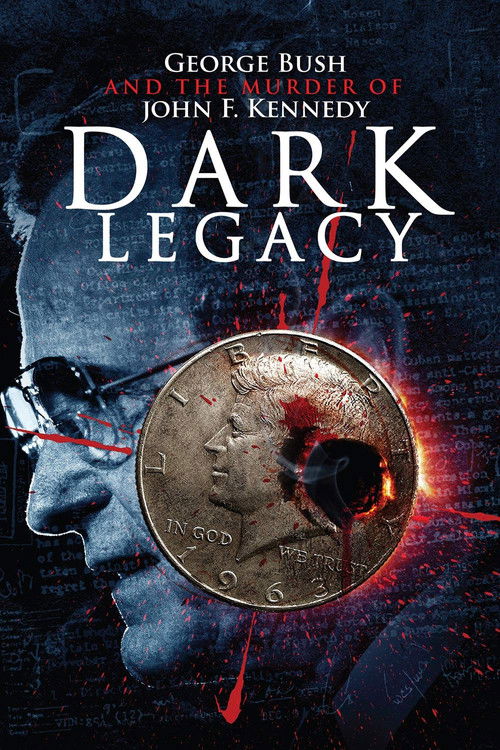
Dark Legacy
2009
No user ratings available yet
Representation score: 2.1 out of 10
No Poster Available
Representation Score
Limited
1981
GDirector
James L. Conway
Average Rating
No ratings yetNew Showbiz Analysis
The President Must Die is a historical documentary that prioritizes political inquiry over character-driven diversity. Because it investigates the JFK assassination conspiracy, the narrative structure is built around institutional secrecy rather than overlapping identities. While the film lacks traditional representation metrics like gendered ability to act or LGBTQ+ arcs, it finds strength in its structural critique of authority. It disrupts conventional patriotism by questioning the monolithic 'official' history of the United States. Ultimately, the work functions as a critique of state power. Its diversity is found in its thematic challenge to institutional transparency rather than in a diverse cast of characters.
Category Breakdown
The documentary does not engage with LGBTQ+ identities. Instead, it focuses on political conspiracy and historical investigation.
The film centers on political figures and investigative processes. It does not prioritize the exploration of gendered power dynamics or challenging hierarchies.
The narrative focuses on mid-20th-century American political mechanics. It lacks diverse casting or intentional racial blending within its historical scope.
The film engages deeply with themes of institutional skepticism. It challenges established power structures by questioning the integrity of official state records.
There is no evidence of physical or neurodivergent identities being portrayed. The scope remains limited to political history.
Present on Screen
Limited or Absent
Official Synopsis
Documentary purporting to expose the cover-up of the JFK assassination conspiracy.
2009
2015
1992
2012
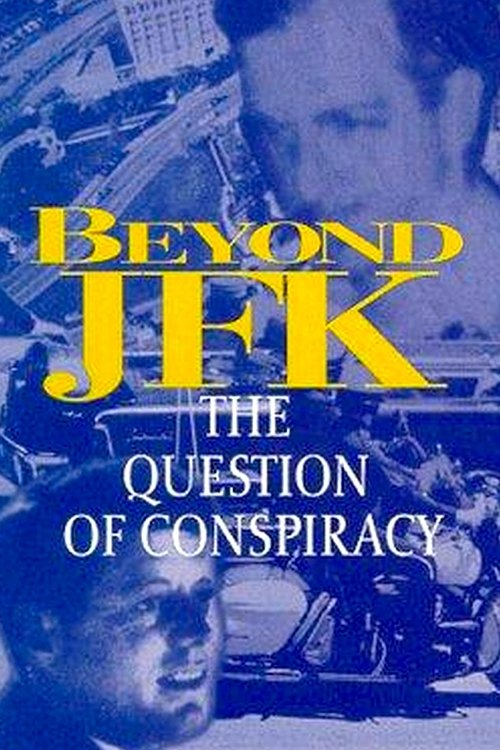
1993
2020

1964
2012
No reviews yet. Be the first to share your thoughts on this movie!
Use the rating form above to leave a star rating and optional review.