The Presence
1965
No user ratings available yet
Diversity score: 4.2 out of 10
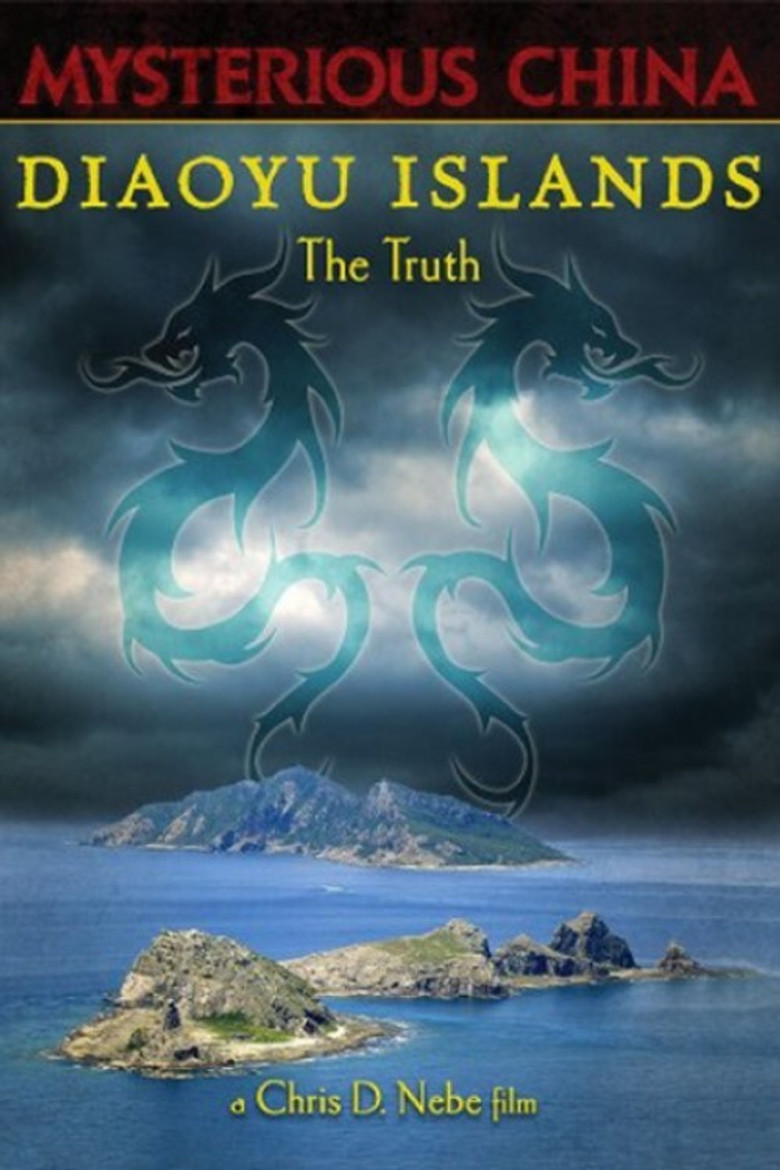
2014
Director
Chris D. Nebe
Average Rating
No ratings yetOverall Score
Limited
Category Breakdown
LGBTQ+ Representation
The documentary focuses entirely on territorial sovereignty and international relations. It contains no LGBTQ+ characters or narratives addressing non-cisnormative identities.
Gender Representation
The subject matter prioritizes state actors and political leadership, which often reinforces traditional masculine hierarchies. There is a lack of gender-subversive narratives or visible female agency.
Racial & Ethnic Diversity
The film is inherently centered on East Asian geopolitical identities. This focus shifts the perspective away from a Western-normative lens by centering regional ethnic interests.
Religious & Cultural Diversity
By centering a non-Western perspective on sovereignty, the film challenges Western-centric maritime law. It critiques established global power dynamics and Western institutional hegemony.
Disability Representation
The documentary's scope provides no evidence of characters or subjects navigating physical or neurodivergent disabilities.
Strengths
Areas for Improvement
AI Analysis
Diaoyu Islands: The Truth is a geopolitical documentary where the narrative architecture is dictated by historical claims rather than character-driven identity exploration. Because the film addresses state-level conflicts, it lacks the intersectional depth found in social dramas. While the film succeeds in providing a non-Western perspective on international relations, it fails to incorporate diverse social identities. The focus remains strictly on territorial disputes and political documentation. Ultimately, the work functions as a report on regional sovereignty rather than a vehicle for exploring gender, disability, or LGBTQ+ representation.
1965
1981
1961
2021

2020

2018

2020
1962
1975

2011

2021

2017
No reviews yet. Be the first to share your thoughts on this movie!
Use the rating form above to leave a star rating and optional review.