Hitler Versus Picasso
2018
No user ratings available yet
Representation score: 6.0 out of 10
Representation Score
Fair
2012
Director
Andrew Shea
Runtime
90 minutes
Average Rating
No ratings yetNew Showbiz Analysis
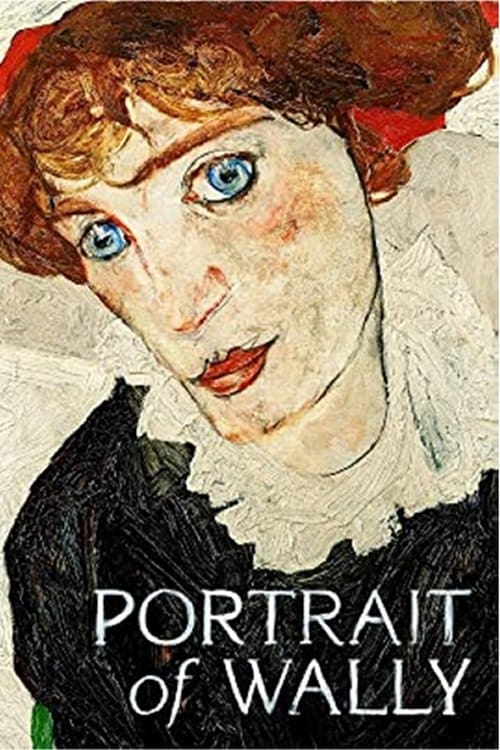
Portrait of Wally is a sophisticated look at art provenance and the legal complexities of restitution. It shifts the focus from simple aesthetic appreciation to the heavy historical weight of Nazi-era art seizures. The film excels by centering the Jewish family's struggle for justice, challenging the perceived neutrality of Western museums. It turns a story about a painting into a critique of institutional power and historical accountability. While the film offers strong cultural and ethnic perspectives, it lacks explicit focus on LGBTQ+ narratives or disability representation. The narrative remains primarily anchored in legal and historical restitution.
Category Breakdown
The film touches on non-traditional romantic relationships within its historical setting but does not make LGBTQ+ identity a main part of the story.
The documentary elevates Walburga Neuzil from a passive figure to a central character. This challenges traditional male-dominated art history by highlighting her important role.
The narrative focuses on the Jewish experience and the persecution during the Nazi era. It highlights the family's efforts to seek restitution against the backdrop of historical trauma.
The film critiques Western institutional structures and the ethics of ownership. It portrays museums as places of conflict rather than neutral sanctuaries of art.
There is no significant portrayal of disability within this documentary.
Present on Screen
Limited or Absent
Official Synopsis
“Portrait of Wally”, Egon Schiele’s tender picture of his mistress, Walburga (“Wally”) Neuzil, is the pride of the Leopold Museum in Vienna. But for 13 years the painting was locked up in New York, caught in a legal battle between the Austrian museum and the Jewish family from whom the Nazis seized the painting in 1939.
2018
2019
2016

2012
2006
2018
2012
2015
No reviews yet. Be the first to share your thoughts on this movie!
Use the rating form above to leave a star rating and optional review.