
Ajan henki
2011
No user ratings available yet
Representation score: 0.0 out of 10
Representation Score
Fair
2001
Director
Leonard Retel Helmrich
Runtime
94 minutes
Average Rating
No ratings yetNew Showbiz Analysis
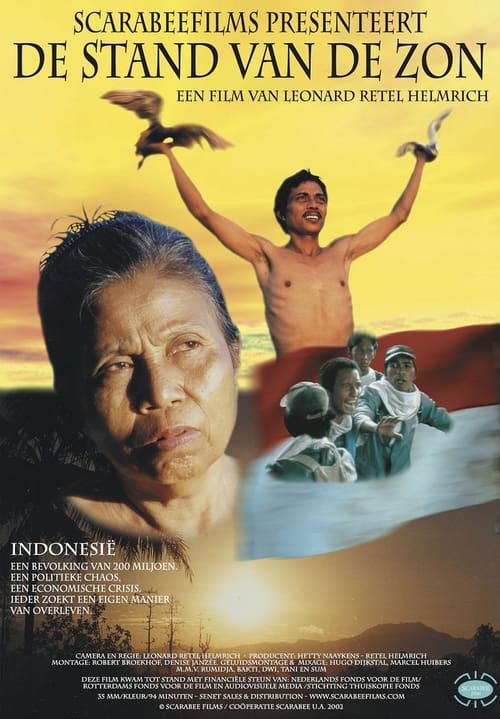
The Eye of the Day utilizes a direct cinema approach to prioritize human experience over didactic instruction. By removing external narration, the film allows subjects to navigate their own complexities, fostering a sense of authentic ability to act. While specific identity markers are not explicitly labeled, the observational style suggests a narrative rooted in realism. This structure favors complex cultural textures over simplified, traditional hierarchies. Ultimately, the film functions as a piece of immersive storytelling that centers the lived realities of its subjects.
Category Breakdown
The film maintains a neutral baseline for documentary realism. Non-cisgender identities are not explicitly identified within the observational framework.
The documentary format gives ability to act to female subjects by centering their domestic or professional labor. This approach moves beyond traditional cinematic archetypes.
The film likely offers deep, non-caricatured engagement with ethnic and cultural nuances. Subjects are granted a significant role in driving the story within their own environments.
By removing traditional narration, the film prioritizes the subjective morality of its subjects. This challenges Western-centric storytelling through lived realities.
There is no specific evidence regarding the portrayal of physical or neurodivergent disabilities in this work.
Present on Screen
Limited or Absent
2011
2013

2004
1978
2005

2017
2001

2011
No reviews yet. Be the first to share your thoughts on this movie!
Use the rating form above to leave a star rating and optional review.