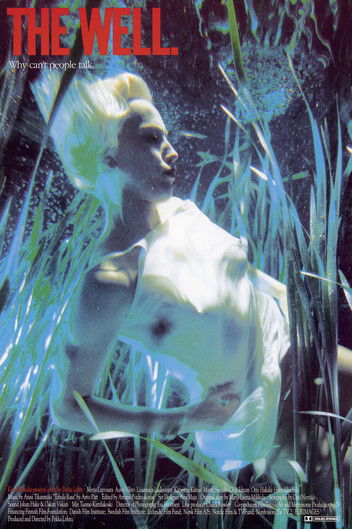
The Well
1992
No user ratings available yet
Representation score: 5.7 out of 10

Representation Score
Limited
1972
Director
Mikko Niskanen
Runtime
145 minutes
Average Rating
No ratings yetNew Showbiz Analysis
Mikko Niskanen’s drama is a somber exploration of social and economic displacement. Using a non-linear flashback structure, the film examines how systemic pressures like poverty and state oversight contribute to an individual's downfall. The film excels in its institutional critique, presenting the protagonist's struggle against tax officials and police as a failure of the social order. This provides a nuanced look at how broader social and economic forces marginalize individuals. However, the film lacks intentional diversity in terms of race, gender roles, and LGBTQ+ identities. It remains focused on a traditional, homogeneous social landscape.
Category Breakdown
There are no LGBTQ+ characters or narratives in the film. The story centers on the protagonist's legal and personal struggles.
The film highlights serious family arguments but does not provide much detail about the specific roles or ability to act of female characters.
The setting suggests a homogeneous Finnish population typical of the time. There is no indication of a multi-ethnic cast or diverse ethnic representation.
The film offers a strong critique of state authority and economic systems. It explores how poverty and institutional pressure lead to tragedy for a working-class individual.
The protagonist's alcoholism is a central theme, showing how addiction drives a tragic downward spiral.
Present on Screen
Limited or Absent
Official Synopsis
Small-scale farmer Pasi shoots four policemen who have come to arrest him for raged drunkenness. Rest of the movie is a long flashback examining the events that finally leads to the tragic shooting. As time goes by, Pasi sinks gradually deeper and deeper into the poverty, gets into trouble with both police and tax officials while family arguments grow more and more serious. Based on a true story.
1992

1982
1961

1967
1978

1989

1970
1951
No reviews yet. Be the first to share your thoughts on this movie!
Use the rating form above to leave a star rating and optional review.