
English Without Tears
1944
No user ratings available yet
Diversity score: 2.5 out of 10
1954
Director
Harold French
Runtime
80 minutes
Average Rating
No ratings yetSynopsis
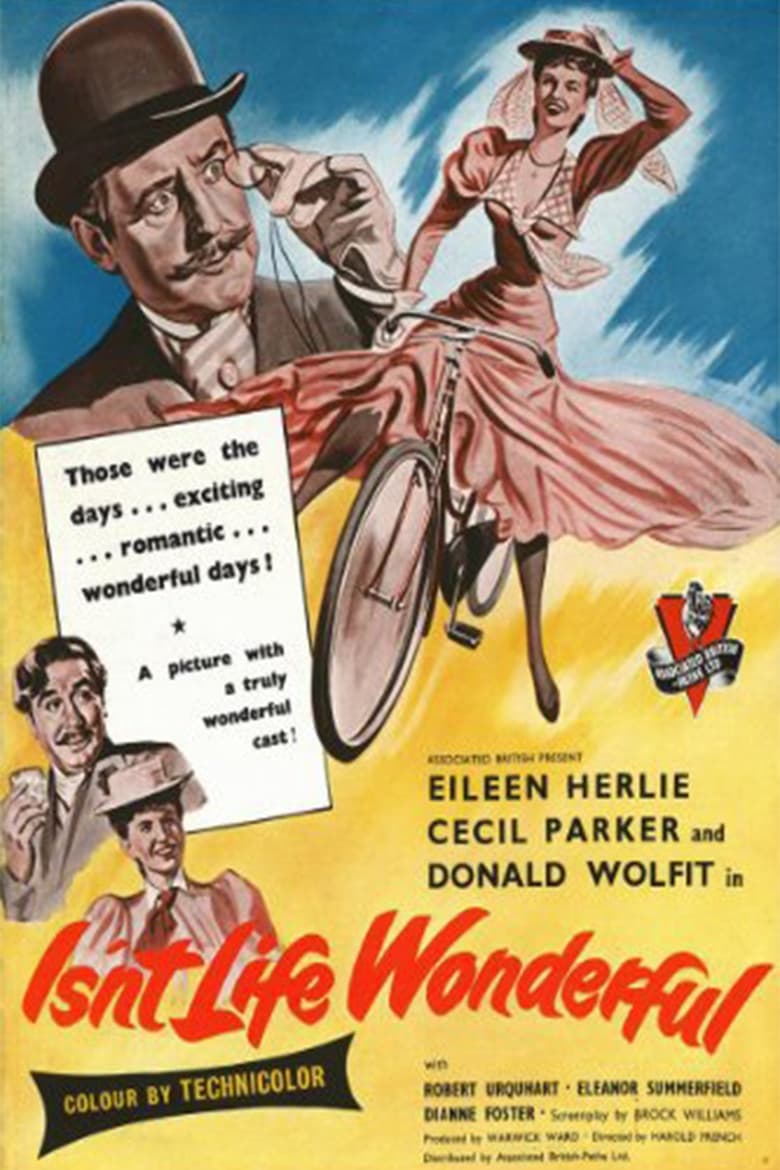
Around the turn of the century, in England, alcoholic Uncle Willie is the bane of his family, of which his brother-in-law is the family spokesman. It is decided to let Uncle Willie buy a bicycle shop in order to impress Virginia van Stuyden, an American heiress in love with Frank. This pleases Uncle Willie's young nephew, Charles. Complications arise when stuffy lord, Sir George Probus, at whose home Virginia is staying, becomes shocked when she attends a carnival.
Overall Score
Limited
Category Breakdown
LGBTQ+ Representation
The film adheres to strict heteronormative conventions typical of 1950s British cinema. The central romantic tension focuses on a courtship between an American heiress and a male protagonist, offering no queer subtext.
Gender Representation
Gender roles remain rooted in mid-century hierarchies. While Virginia drives social complications, the narrative focus stays on male-centric social management and the authority of the family spokesman.
Racial & Ethnic Diversity
Set in turn-of-the-century England, the story reflects a homogeneous social landscape. The plot emphasizes class distinctions between British locals and an American heiress rather than racial or ethnic intersectionality.
Religious & Cultural Diversity
The narrative prizes social stability and traditional etiquette. Conflict arises from deviations from stuffy decorum, reinforcing Western social institutions and the importance of maintaining family standing.
Disability Representation
Uncle Willie’s alcoholism is presented as a character flaw to be managed by his family. This depiction serves as a comedic trope rather than a nuanced exploration of addiction.
Strengths
Areas for Improvement
AI Analysis
This comedy functions as a reinforcement of conventional social stability and traditional hierarchies. It prioritizes class-based decorum and heteronormative romantic arcs over any systemic critique or disruption of the status quo. The film's setting and character dynamics reflect the homogeneous social strata of the early 20th century. It focuses on the management of family reputation and the friction between social propriety and individual behavior. Ultimately, the work operates within the established cultural frameworks of its era, offering a period-typical look at British and American class distinctions without challenging existing social norms.
1944
1954
1952

1943

1957
1963
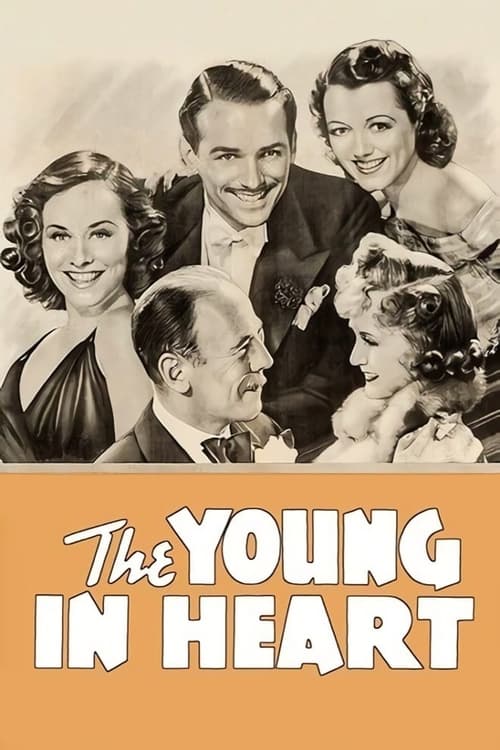
1938
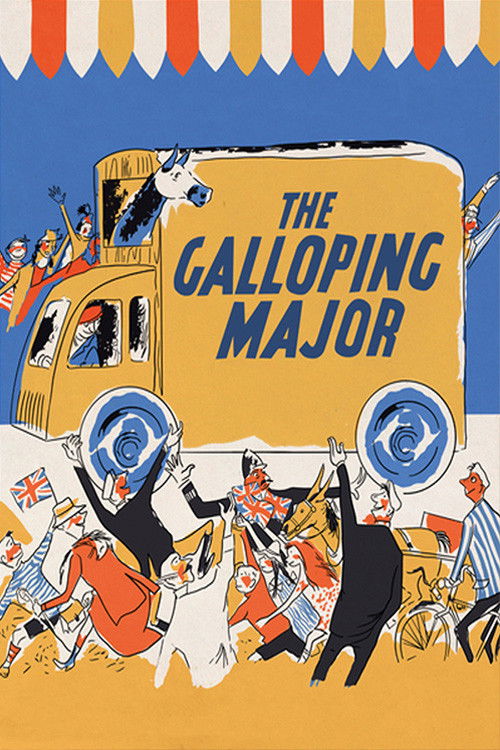
1951
1936
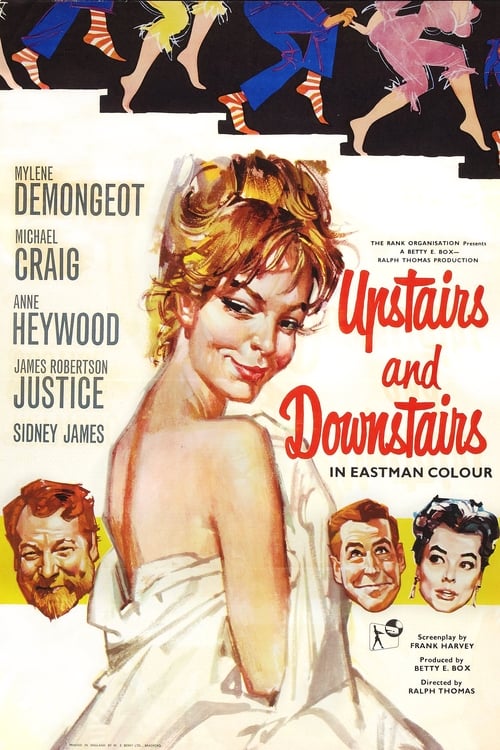
1959

1974
1960
No reviews yet. Be the first to share your thoughts on this movie!
Use the rating form above to leave a star rating and optional review.