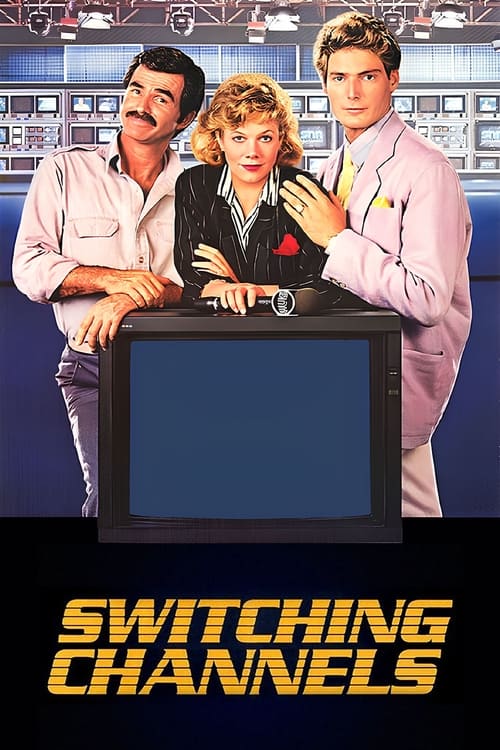
Switching Channels
1988
No user ratings available yet
Diversity score: 2.7 out of 10

1992
PG-13Director
Ted Kotcheff
Runtime
107 minutes
Average Rating
No ratings yetSynopsis
A slightly self absorbed yuppie takes in his parents including his senile father, after their home burns down. But his personal and professional life fall apart soon after.
Overall Score
Limited
Category Breakdown
LGBTQ+ Representation
The film lacks any mention of non-heteronormative identities or same-sex dynamics. There is no evidence of characters representing LGBTQ+ perspectives.
Gender Representation
The story centers on a male protagonist and his parental relationships. It does not appear to subvert gender hierarchies or explore masculinity beyond the protagonist's struggle with responsibility.
Racial & Ethnic Diversity
The narrative focuses on a specific middle-class family unit. There is no indication of a diverse cast or characters from marginalized ethnic backgrounds.
Religious & Cultural Diversity
The plot explores the deconstruction of the traditional family structure through the lens of elder care. It focuses on domestic burdens rather than a systemic critique of cultural institutions.
Disability Representation
The inclusion of a senile father introduces neurocognitive decline into the story. It remains unclear if this condition is treated with agency or used as a comedic plot device.
Strengths
Areas for Improvement
AI Analysis
Folks! functions primarily as a character study of a yuppie protagonist facing domestic and professional collapse. The narrative architecture relies on the disruption of the nuclear family following a house fire, centering on the burdens of elder care. While the film examines the friction of changing domestic roles, it adheres to traditional narrative structures. The focus remains on a singular, dominant demographic rather than exploring intersectional complexity. Ultimately, the film lacks visible markers of systemic critique. It appears to be a situational comedy centered on middle-class instability rather than a progressive exploration of diverse identities.
1988

1995

1996
1970
2003
2016
2012

2001
1994

2013
1997
2019
No reviews yet. Be the first to share your thoughts on this movie!
Use the rating form above to leave a star rating and optional review.