The Hungover Games
2012
No user ratings available yet
Diversity score: 1.5 out of 10
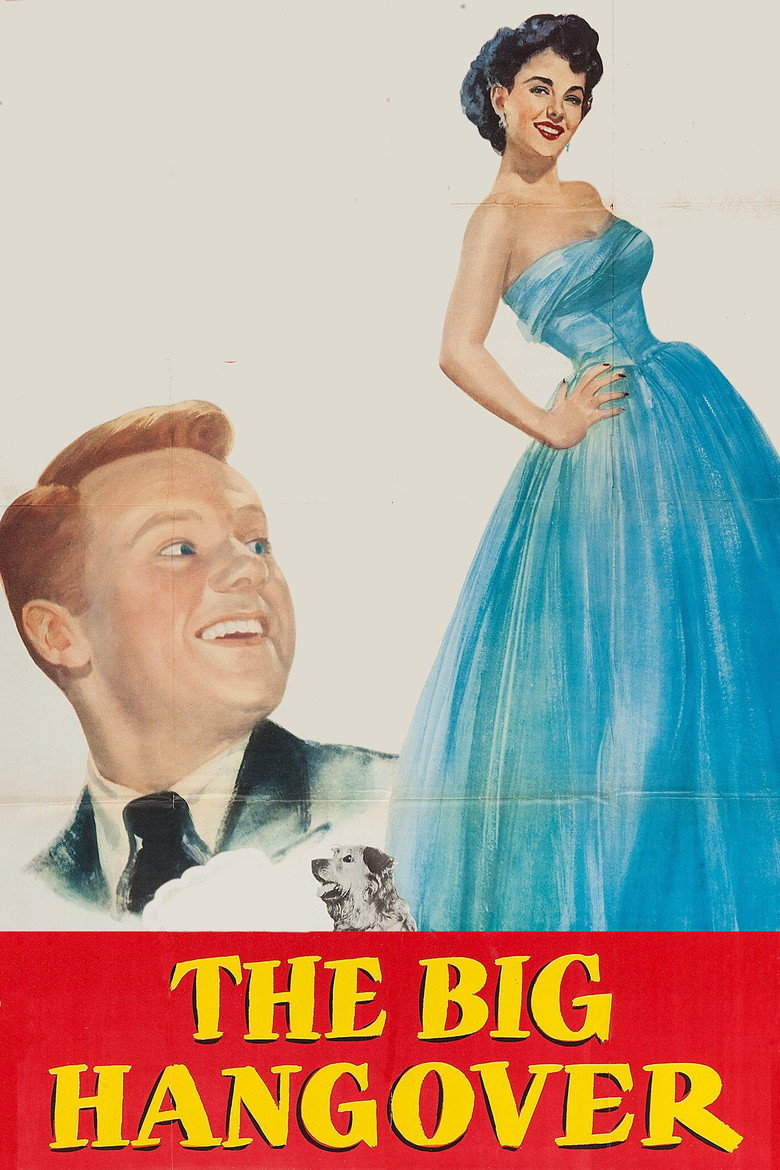
1950
NRDirector
Norman Krasna
Runtime
82 minutes
Average Rating
No ratings yetSynopsis
A young law school graduate is hired by a prestigious firm, but he neglects to inform them he is allergic to even a single whiff of alcohol.
Overall Score
Limited
Category Breakdown
LGBTQ+ Representation
The film lacks any indication of non-heteronormative identities or same-sex dynamics. The narrative focus remains strictly on professional integration and physical comedy.
Gender Representation
The story centers on a male protagonist within a traditional mid-century framework. There is no evidence of female characters possessing agency that disrupts established gender hierarchies.
Racial & Ethnic Diversity
The setting of a prestigious 1950s law firm suggests a homogeneous Anglo-Saxon demographic. No characters of color are mentioned as having significant agency.
Religious & Cultural Diversity
The film reinforces traditional Western institutional structures and professional social orders. It lacks any critique of capitalism or secularism-driven social norms.
Disability Representation
The protagonist's alcohol allergy serves as a comedic plot device rather than a nuanced exploration of disability. It functions to drive situational farce.
Strengths
Areas for Improvement
AI Analysis
The Big Hangover is a conventional mid-century comedy that prioritizes situational farce over social commentary. The narrative architecture focuses on a professional misunderstanding within a prestigious law firm, adhering to the traditionalist values of the 1950s studio era. Representation is minimal, as the film centers on a male protagonist navigating a corporate environment. The story relies on individual circumstances and professional etiquette rather than intersectional identities or the subversion of established social hierarchies. Ultimately, the film functions as a lighthearted farce that reinforces the status quo of its time, offering little in the way of progressive or diverse perspectives.
2012

1960
1964
1950
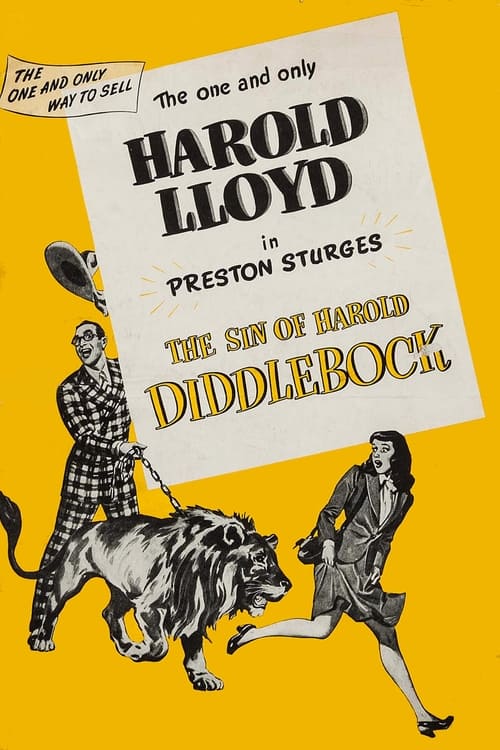
1947
1977
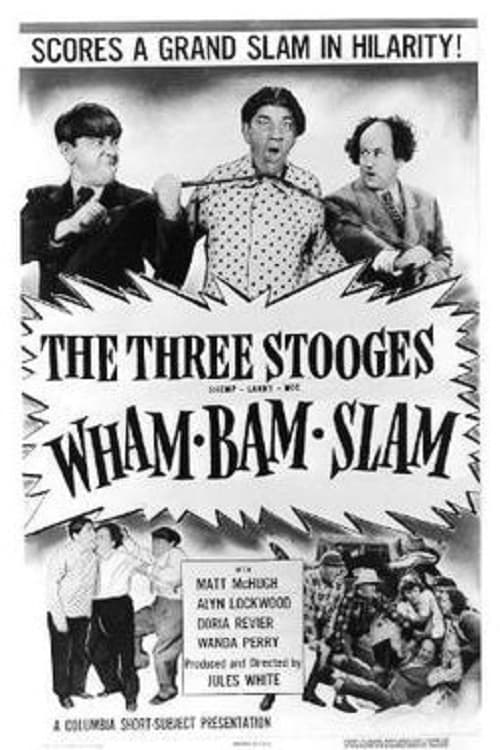
1955
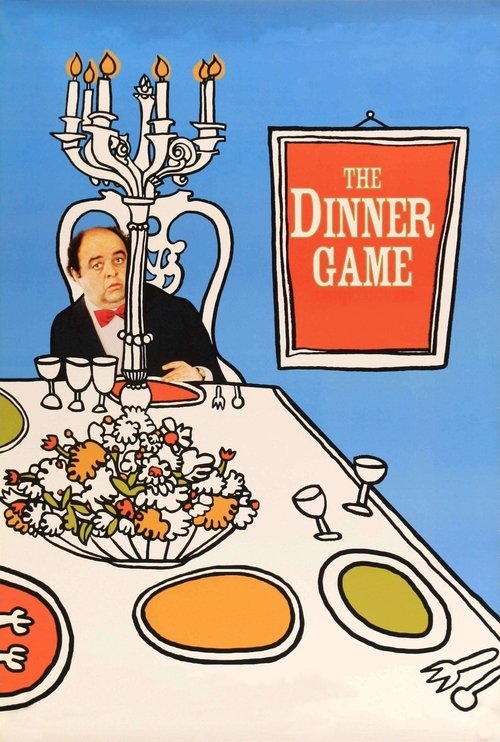
1998
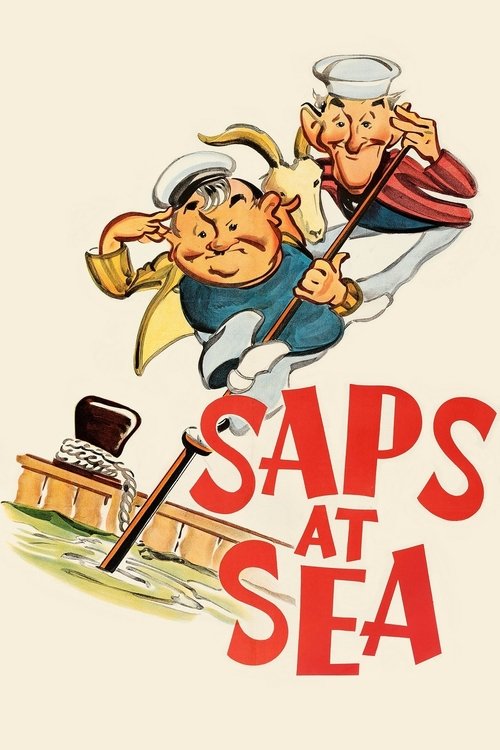
1940
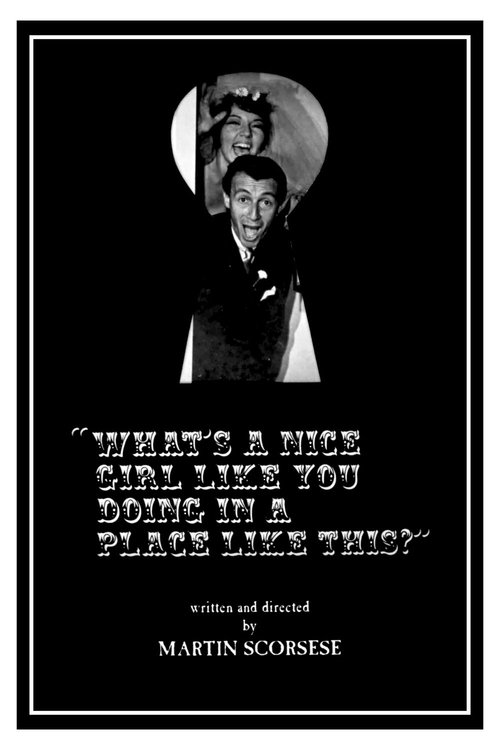
1963
1953
1945
No reviews yet. Be the first to share your thoughts on this movie!
Use the rating form above to leave a star rating and optional review.