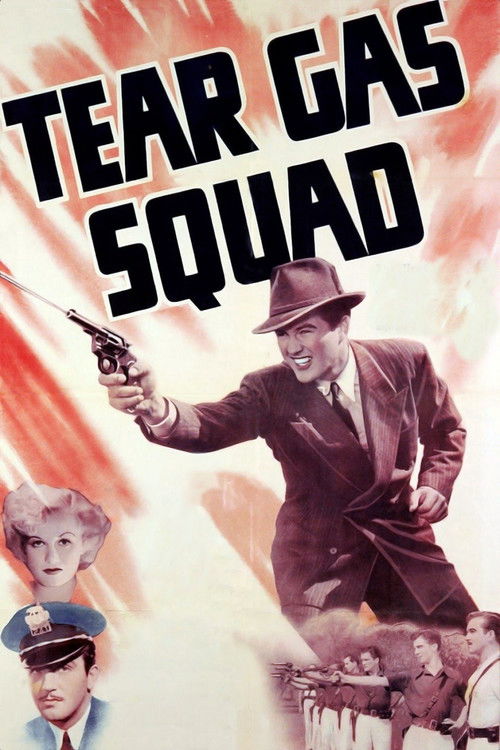
Tear Gas Squad
1940
No user ratings available yet
Representation score: 1.3 out of 10
Representation Score
Limited
1946
NRDirector
Frederick de Cordova
Runtime
78 minutes
Average Rating
No ratings yetNew Showbiz Analysis
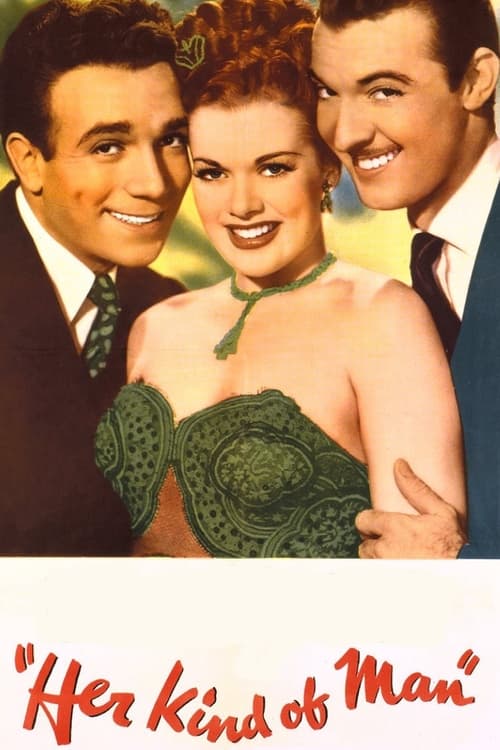
Her Kind of Man is a product of the 1946 studio system, prioritizing established genre clichés over social subversion. The story relies on a predictable romantic conflict that upholds the status quo of the period. The film lacks intentionality regarding diverse representation. It functions as a standard crime drama where character roles are defined by traditional gender dynamics and conventional moral binaries. Ultimately, the work reflects the demographic and social limitations of mid-century cinema, offering little in the way of diverse perspectives or structural critique.
Category Breakdown
The film focuses on a traditional love triangle involving a woman and two men. There is no indication of LGBTQ+ identities or critiques of traditional social structures.
The female nightclub singer is the central figure, but her role is limited to choosing between two male archetypes. This reinforces mid-century clichés where women are defined by their romantic interests.
The production reflects the demographic homogeneity typical of 1940s studio crime dramas. There is no notable diversity in the cast.
The narrative follows a standard moral framework pitting criminality against civic order. This structure reinforces traditional Western concepts of law and social stability.
There is no evidence of characters with visible or invisible disabilities within the film's narrative or historical record.
Present on Screen
Limited or Absent
Official Synopsis
A nightclub singer can't choose between a charismatic small-time gangster and an honest newspaperman.
1940
1953
1947
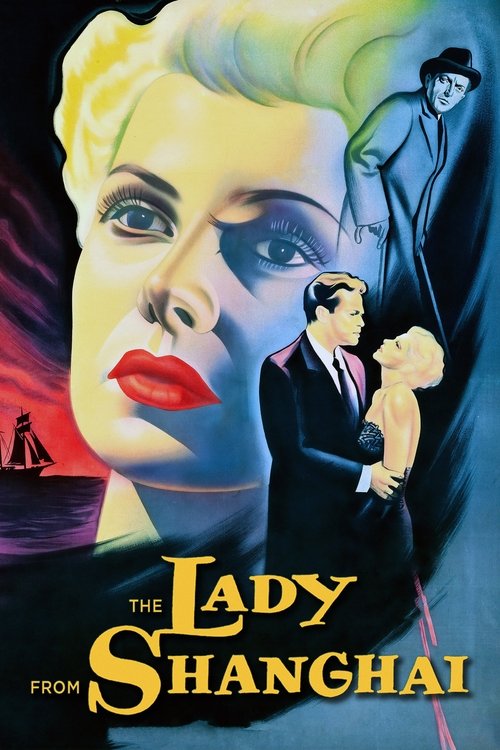
1947
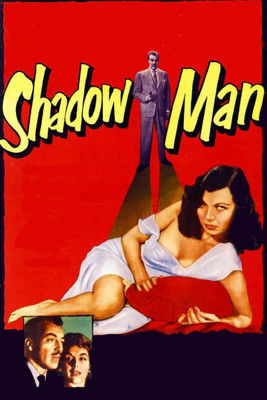
1953
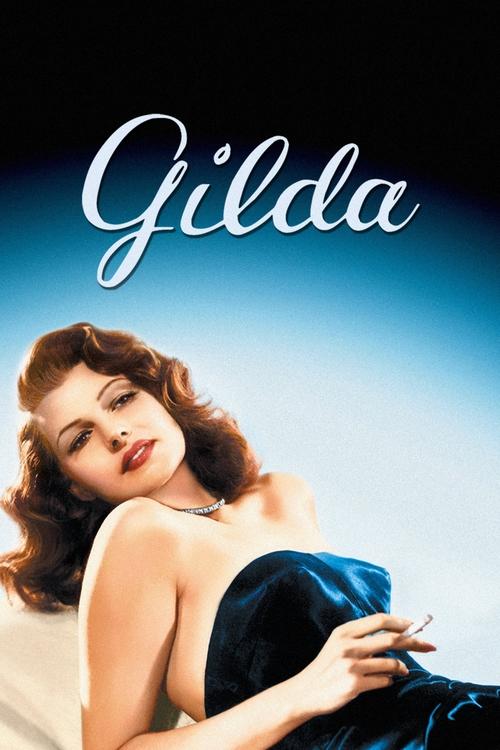
1946
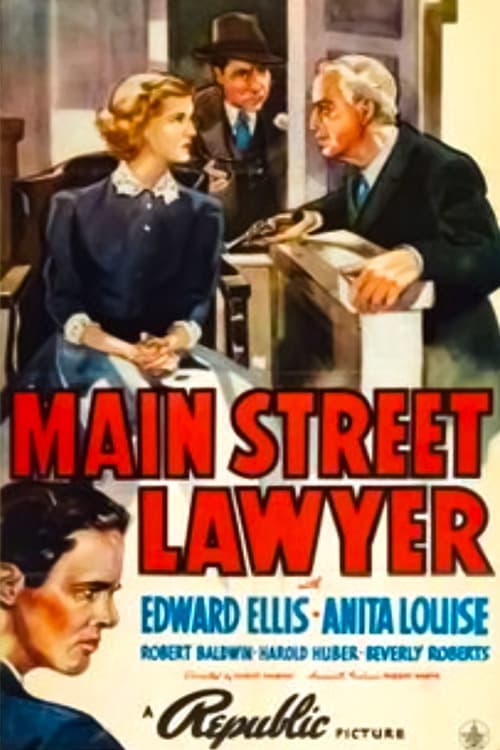
1939
1944
No reviews yet. Be the first to share your thoughts on this movie!
Use the rating form above to leave a star rating and optional review.