
Puppy Tale
1954
No user ratings available yet
Diversity score: 2.0 out of 10
1945
NRDirector
William Hanna, Joseph Barbera
Runtime
8 minutes
Average Rating
No ratings yetSynopsis
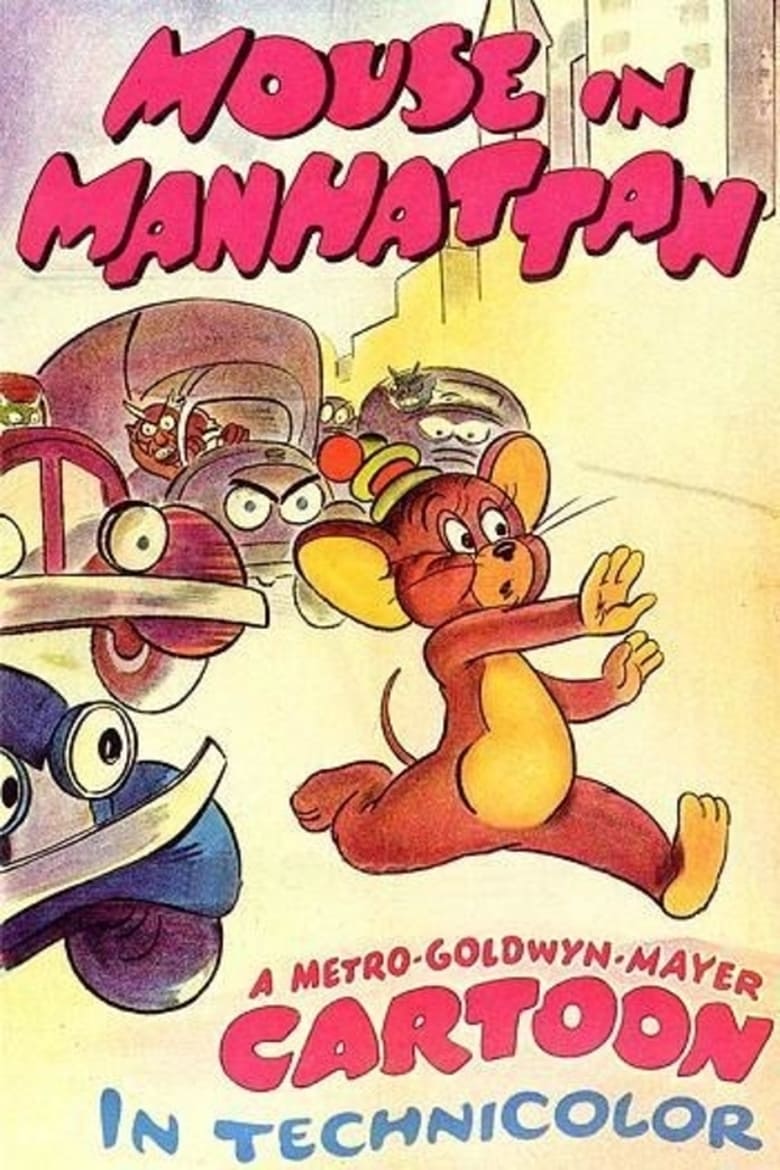
Jerry Mouse gets tired of living the country life and decides to head to the big city. However, the experience doesn't turn out quite like Jerry had expected.
Overall Score
Minimal
Category Breakdown
LGBTQ+ Representation
The film focuses entirely on the predatory-prey dynamic between animals. There is no engagement with queer identities or non-cisnormative gender expressions.
Gender Representation
As the protagonists are non-human, the film avoids direct human gender hierarchies. However, it relies on traditional archetypes of dominance and submission without subverting power structures.
Racial & Ethnic Diversity
The cast consists solely of anthropomorphic animals in a mid-century urban setting. The animation uses these characters for slapstick violence rather than exploring racial or ethnic diversity.
Religious & Cultural Diversity
The narrative adheres to traditional comedic structures and avoids critiques of Western institutions or religion. It functions as standard, escapist entertainment centered on property destruction.
Disability Representation
There is no depiction of neurodivergence or physical disability. Any physical injuries are temporary, exaggerated slapstick elements used for comedy rather than meaningful portrayals of lived experience.
Strengths
Areas for Improvement
AI Analysis
Mouse in Manhattan is a quintessential example of mid-century slapstick animation, prioritizing kinetic energy and comedic timing over social commentary. The narrative is built around the physical rivalry between characters, which leaves little room for identity-based storytelling. While the film avoids active harm or the promotion of negative stereotypes, it lacks the intentionality to represent diverse human experiences. The focus remains strictly on universal comedic tropes and animal-driven conflict. Ultimately, the work reflects the homogeneous, escapist entertainment models of its era, offering a narrow view of the world that does not challenge or explore intersectional identities.
1954
1952
1935
1936
1961
1962

1951
1946
1953
1949
1943
1955
No reviews yet. Be the first to share your thoughts on this movie!
Use the rating form above to leave a star rating and optional review.