Mice Follies
1954
No user ratings available yet
Representation score: 1.1 out of 10

Representation Score
Minimal
1954
NRDirector
William Hanna, Joseph Barbera
Runtime
7 minutes
Average Rating
No ratings yetNew Showbiz Analysis
Puppy Tale is a classic example of mid-century animated comedy, prioritizing slapstick humor and dynamic characters over social complexity. The narrative follows a standard Western comedic template, focusing on a domestic conflict between a man and a persistent puppy. While the film showcases the technical skill of its creators, it adheres strictly to the traditional values of its time. The story lacks intentionality in challenging social hierarchies or introducing diverse perspectives, resulting in a narrow, character-driven experience. Ultimately, the film functions as a period-specific comedy that reinforces established norms rather than challenging them. It remains a focused, sentimental tale of domestic disruption without broader social representation.
Category Breakdown
The story focuses on a domestic interaction between a person and animals. There is no evidence of LGBTQ themes or non-binary gender identities in the plot.
The story centers on a male protagonist and a domestic conflict. It lacks opportunities for women to drive the story and follows a traditional comedic framework.
The plot involves a localized rescue and domestic struggle. There is no indication of a diverse cast or the subversion of Anglo-centric norms.
The film operates within a traditional framework emphasizing domestic stability. It lacks a critical examination of cultural norms, focusing instead on sentimental morality regarding animal rescue.
The synopsis provides no information about characters with physical or neurodivergent traits. There is no evidence that disability is used as a narrative device.
Present on Screen
Limited or Absent
Official Synopsis
Jerry rescues a bag of puppies from the river. Most of them run away as soon as Jerry releases them, but one stays behind. Jerry tries to get rid of it, but ultimately takes pity and invites the frisky pup inside, where he has to hide it from Tom, who keeps throwing it out.
1954
1955
1954
1958
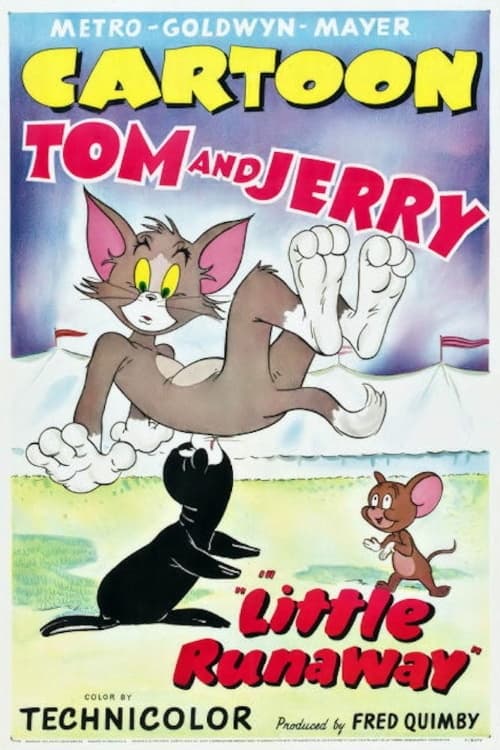
1952
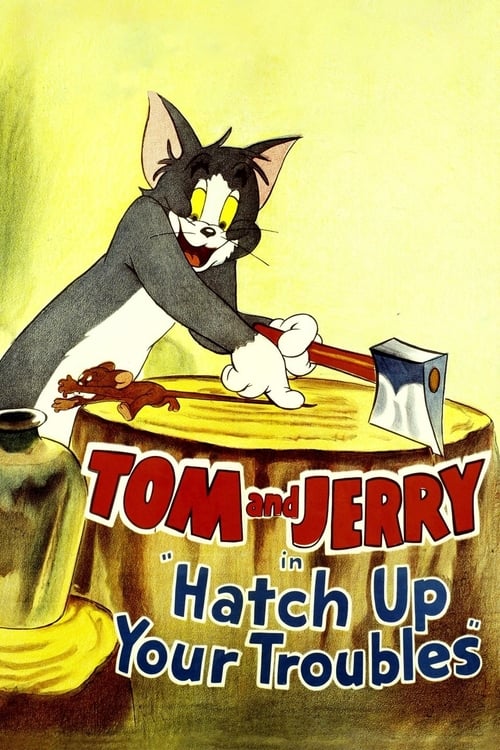
1949
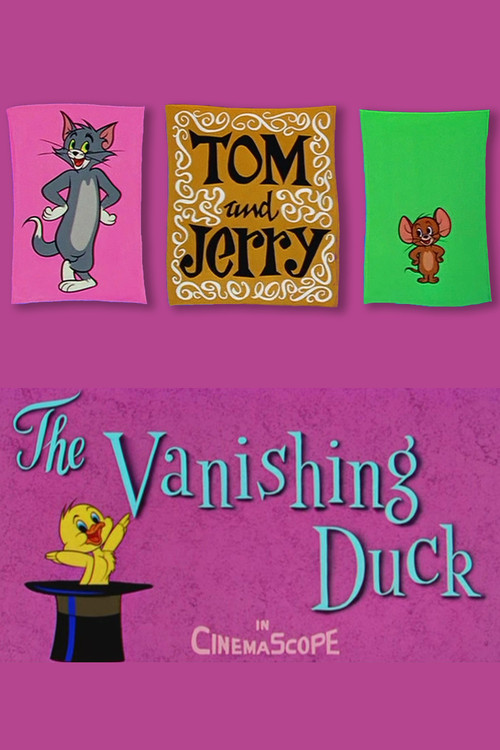
1958
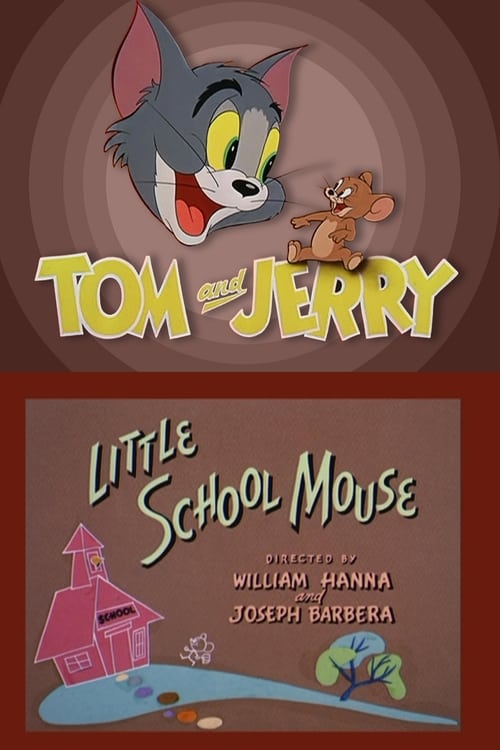
1954
No reviews yet. Be the first to share your thoughts on this movie!
Use the rating form above to leave a star rating and optional review.