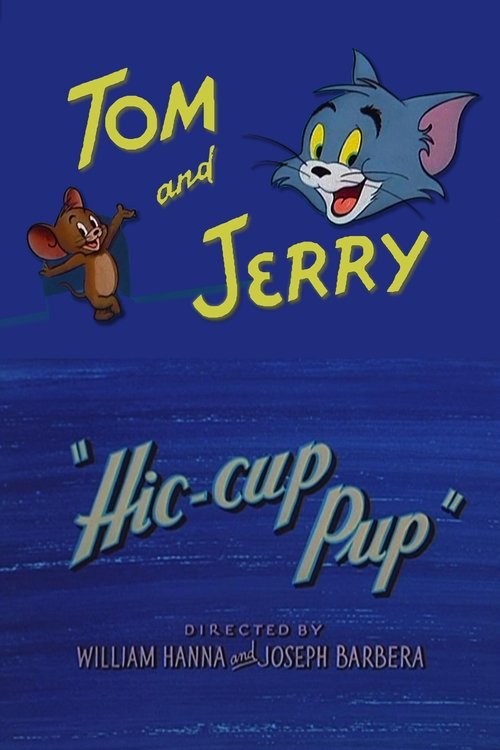
Hic-cup Pup
1954
No user ratings available yet
Representation score: 1.1 out of 10
Representation Score
Minimal
1952
GDirector
William Hanna, Joseph Barbera
Runtime
6 minutes
Average Rating
No ratings yetNew Showbiz Analysis
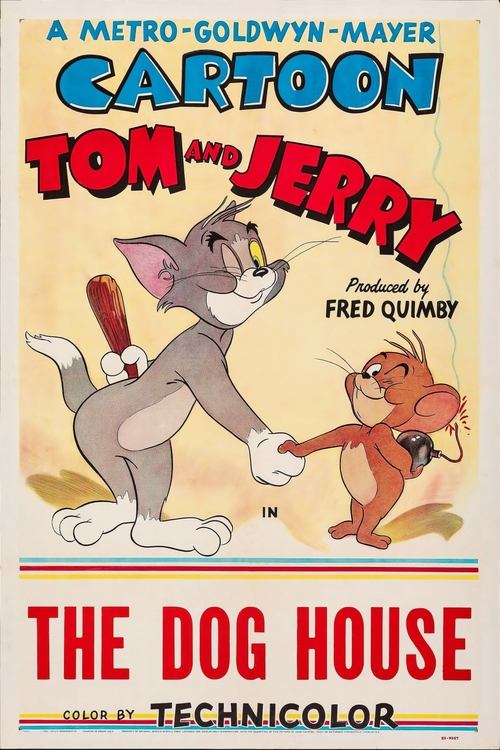
The Dog House is a classic example of mid-century slapstick animation. Its narrative revolves around physical causality and repetitive conflicts among Tom, Jerry, and Spike. Since the characters are non-human and confined to a domestic setting, the film does not engage with human social identities. The absence of diverse representation is a result of the genre's emphasis on kinetic, non-verbal conflict. The characters exist outside of human social hierarchies, preventing any meaningful exploration of overlapping identities or systemic power dynamics. Ultimately, the film prioritizes fast-paced physical comedy over character-driven social commentary. It operates as a vacuum of species-based identity rather than reflecting human social structures.
Category Breakdown
The film focuses solely on the rivalry between anthropomorphic animals and does not include any characters with non-traditional gender identities or LGBTQ+ themes.
The short lacks female characters, so traditional gender roles do not apply. The characters are defined by their physical strength and dominance.
The cast is uniform in its animal identity. The story avoids human racial or ethnic markers and does not engage with racial stereotypes.
The story depicts property destruction through slapstick humor. It lacks a structured ethical or religious framework, focusing instead on physical gags.
There are no depictions of visible or invisible disabilities. The comedy relies on exaggerated cartoon physics rather than representing neurodiversity or physical impairments.
Present on Screen
Limited or Absent
Official Synopsis
Spike is building his dream house when Tom crashes into it mid-chase. Of course, Jerry then takes every opportunity to route the chases through the construction project.
1954
1957

1954
1953
1954
1954
1951

1944
No reviews yet. Be the first to share your thoughts on this movie!
Use the rating form above to leave a star rating and optional review.