
The Family Man
2000
No user ratings available yet
Representation score: 1.6 out of 10
Representation Score
Minimal
1998
PG-13Director
Peter Howitt
Runtime
99 minutes
Average Rating
No ratings yetNew Showbiz Analysis
Sliding Doors is a conventional character-driven film that centers on a singular, traditional perspective. While the split-timeline structure offers a nuanced look at female empowerment, the film remains tied to typical romantic comedy elements. The production upholds established social norms without challenging them. It functions as a standard Western drama, centered on personal stability and professional life within a narrow socioeconomic context. Overall, the film lacks the intentionality required to engage with broader social or identity-based complexities, resulting in a narrative that feels culturally and ethnically limited.
Category Breakdown
The film focuses solely on heterosexual relationships and does not include any LGBTQ+ characters or non-traditional gender identities.
The narrative emphasizes the central role of the female protagonist, Helen, through her professional and emotional development. The film passes the Bechdel test by featuring conversations between women that go beyond discussing men.
The cast is largely homogeneous, depicting London's professional class as predominantly white. There is no characters who reflect more than one aspect of diversity of diverse ethnic backgrounds.
The story follows traditional Western storytelling conventions, focusing on individual destiny and romantic fulfillment. It does not address or critique Western social or professional hierarchies.
There are no visible or invisible disabilities portrayed. Characters are depicted as able-bodied, with no neurodivergent or chronic illness themes driving the plot.
Present on Screen
Limited or Absent
Official Synopsis
Helen, a London ad executive, is fired from her job and rushes out to catch a train, but, as she runs down, her life suddenly splits off. In one version she catches the train; in the second, she misses it. Her whole life changes in that one second, and the rest of the film depicts what happens in each scenario.
2000

1990
2009
2000

2005

2014
1993
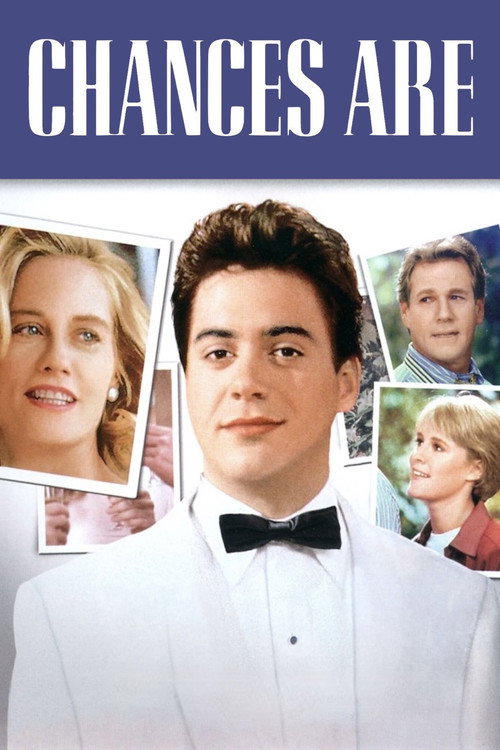
1989
No reviews yet. Be the first to share your thoughts on this movie!
Use the rating form above to leave a star rating and optional review.