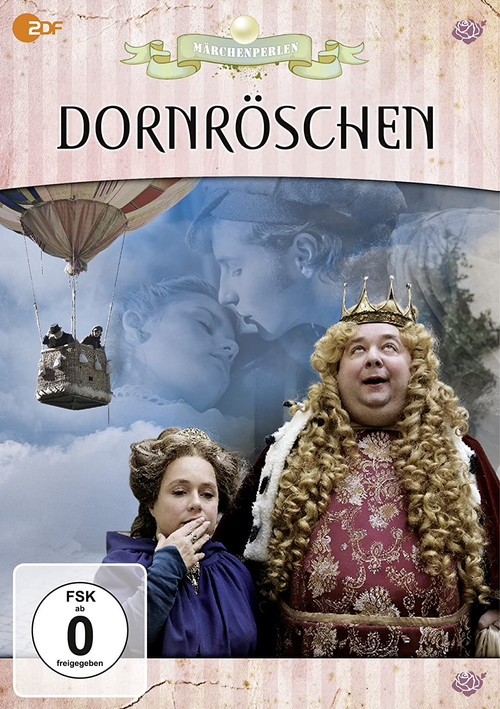
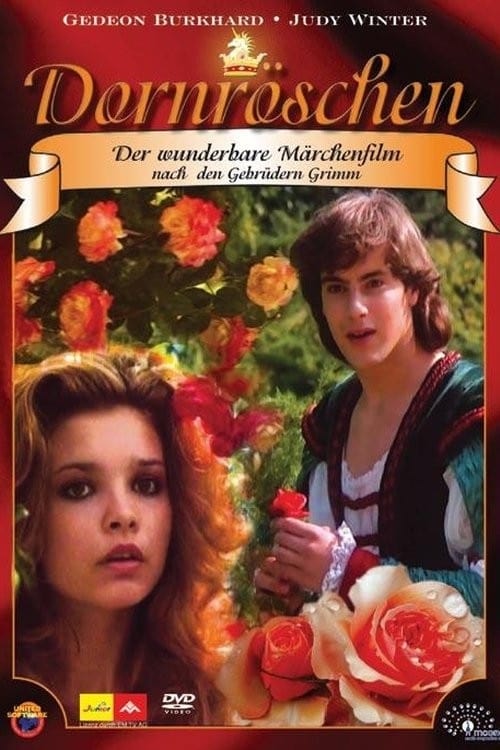
Dornröschen
2009
No user ratings available yet
Representation score: 0.8 out of 10

Representation Score
Limited
2012
Director
Marc-Andreas Bochert
Runtime
89 minutes
Average Rating
No ratings yetNew Showbiz Analysis
This adaptation of the classic fairy tale emphasizes traditional archetypes and straight-centered romantic structures. The narrative revolves around a central male-female bond, offering limited space for queer identities or diverse social perspectives. While Elsa exhibits personal strength by resisting her fate, the story's power dynamics center on the male lead's transformation. The film upholds conventional social hierarchies through its storytelling. Representation of disability and culture is confined to folkloric clichés. The Beast's physical state is depicted as a magical obstacle rather than a lived experience, and the cultural themes adhere to narrow Western European traditions.
Category Breakdown
The film centers on a romantic relationship between a female protagonist and a male figure, reinforcing the assumption that everyone is straight or cisgender. The central plot and resolution hinge on this heterosexual pairing.
The story maintains traditional gender roles where the female character, Elsa, plays a significant role in driving the narrative but remains secondary to the male lead's journey. Her actions serve as a catalyst for his transformation.
The cast predominantly features actors from Western European backgrounds, without incorporating diverse ethnic identities or adopting color-blind casting practices.
The narrative draws from classical Western folklore and storytelling traditions, emphasizing individual emotional growth and the restorative power of the nuclear family. The story is framed through a poetic lens.
The Beast's condition is portrayed as a magical curse rather than a realistic depiction of disability. His physical state serves as a supernatural plot device to advance the romantic storyline.
Present on Screen
Limited or Absent
Official Synopsis
German/Austrian TV adaptation of the famous fairy tale “Beauty and the Beast“. There is only one way to break the spell which has turned the prince into a horrible beast: a beautiful girl has to fall in love with the creature. As time is running out, the beast abducts the girl Elsa and takes her prisoner. He puts all his efforts into charming the girl. Elsa does not accept her fate, and the beast is not at all a gentleman with fine manners. The transformative power of love, which frees Elsa of her feelings of guilt towards her parents and which returns the beast to his former humanity, is at the heart of the film. Aimed at a family audience, the film's eerie scenes are balanced with humor and poetry.
2009
2008
2007
2011
2006
1977
1990
2019
No reviews yet. Be the first to share your thoughts on this movie!
Use the rating form above to leave a star rating and optional review.