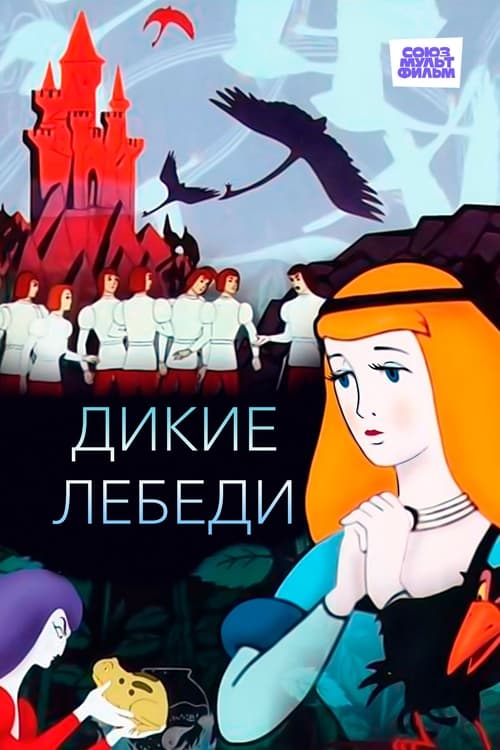
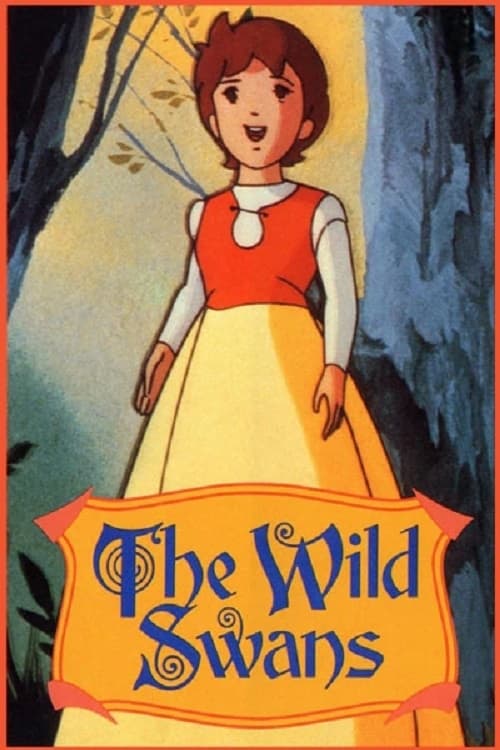
The Wild Swans
1962
No user ratings available yet
Representation score: 1.0 out of 10
Representation Score
Limited
1977
Director
Nobutaka Nishizawa, Yûji Endô
Runtime
62 minutes
Average Rating
No ratings yetNew Showbiz Analysis
The Wild Swans is a traditional narrative that prioritizes classic storytelling over social subversion. It centers on a female lead who demonstrates remarkable ability to act, yet her actions are framed by conventional expectations of caretaking and familial preservation. The film relies on archetypal struggles and moral dualism, specifically the conflict between a virtuous protagonist and an evil sorceress. This structure reinforces singular moral absolutes rather than exploring complex social issues. While the animation provides a strong central character, the work lacks depth in representing diverse identities and social backgrounds.
Category Breakdown
The film follows a traditional storyline that assumes everyone is straight and cisgender. There is no evidence of non-traditional gender identities or same-sex relationships.
A female protagonist drives the story through a significant role in driving the story and endurance. While she avoids the passive damsel stereotype, her motivations remain rooted in traditional domestic duties and family care.
This Japanese production of a European fairy tale uses a stylized aesthetic. It focuses on universal folkloric elements rather than intentional racial diversity or subverting Anglo-centric casting.
The story operates within a strict moral dichotomy between virtue and evil. It emphasizes family cohesion and the sanctity of siblings, reinforcing traditional social values.
No visible or invisible disabilities are portrayed. The brothers' transformation into swans serves as a magical plot device rather than a nuanced exploration of identity.
Present on Screen
Limited or Absent
Official Synopsis
A young girl must spend six years making sweatshirts out of poison ivy in order to save her six brothers which have been turned into swans by an evil sorceress.
1962

1973
1987
1992
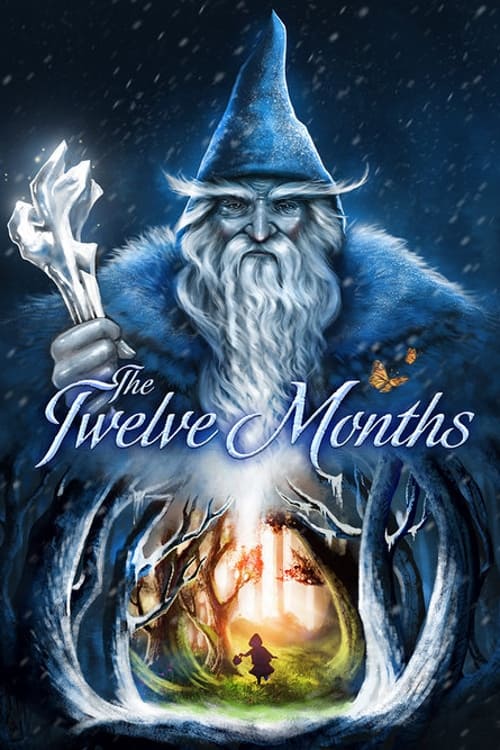
1980

1994
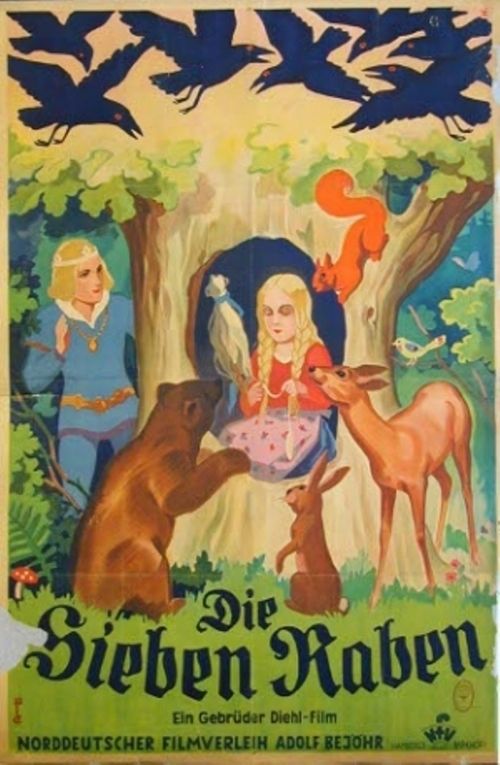
1937
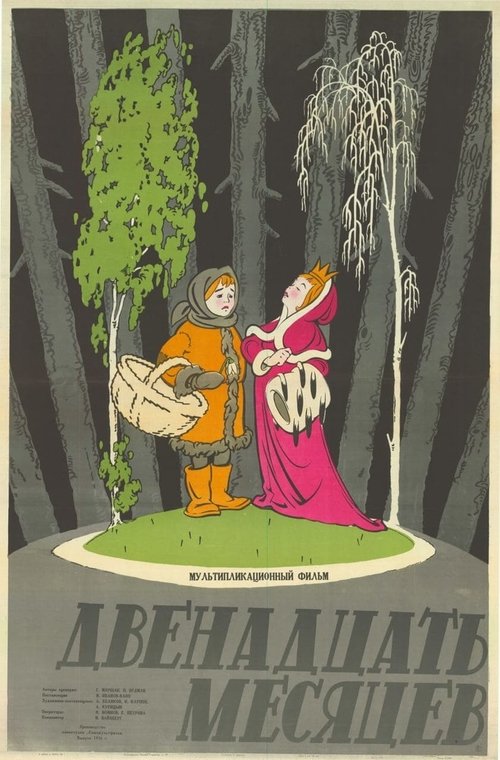
1956
No reviews yet. Be the first to share your thoughts on this movie!
Use the rating form above to leave a star rating and optional review.